Newsletters

Brian Hart Inducted into the Academy of Electrical Contracting

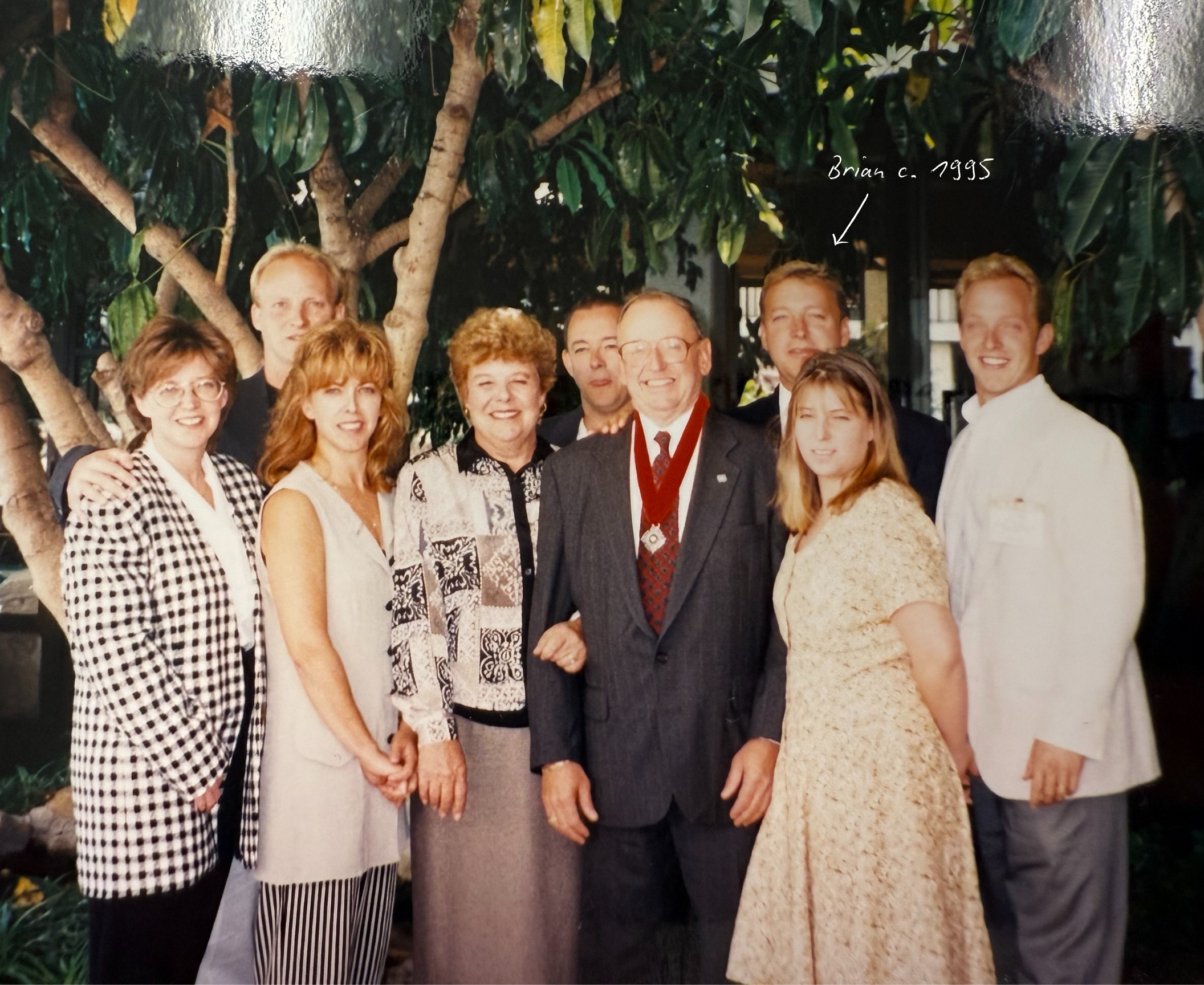
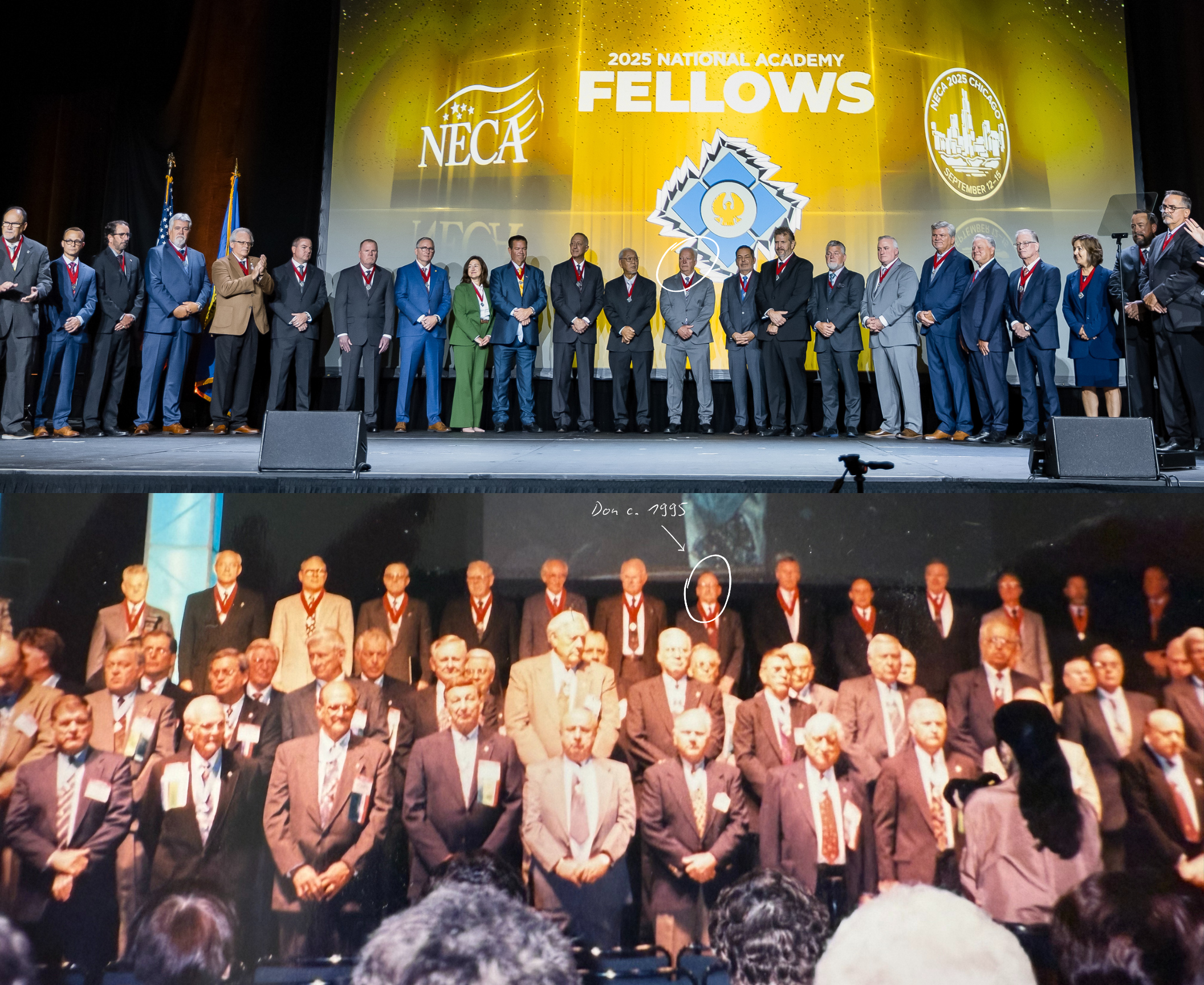
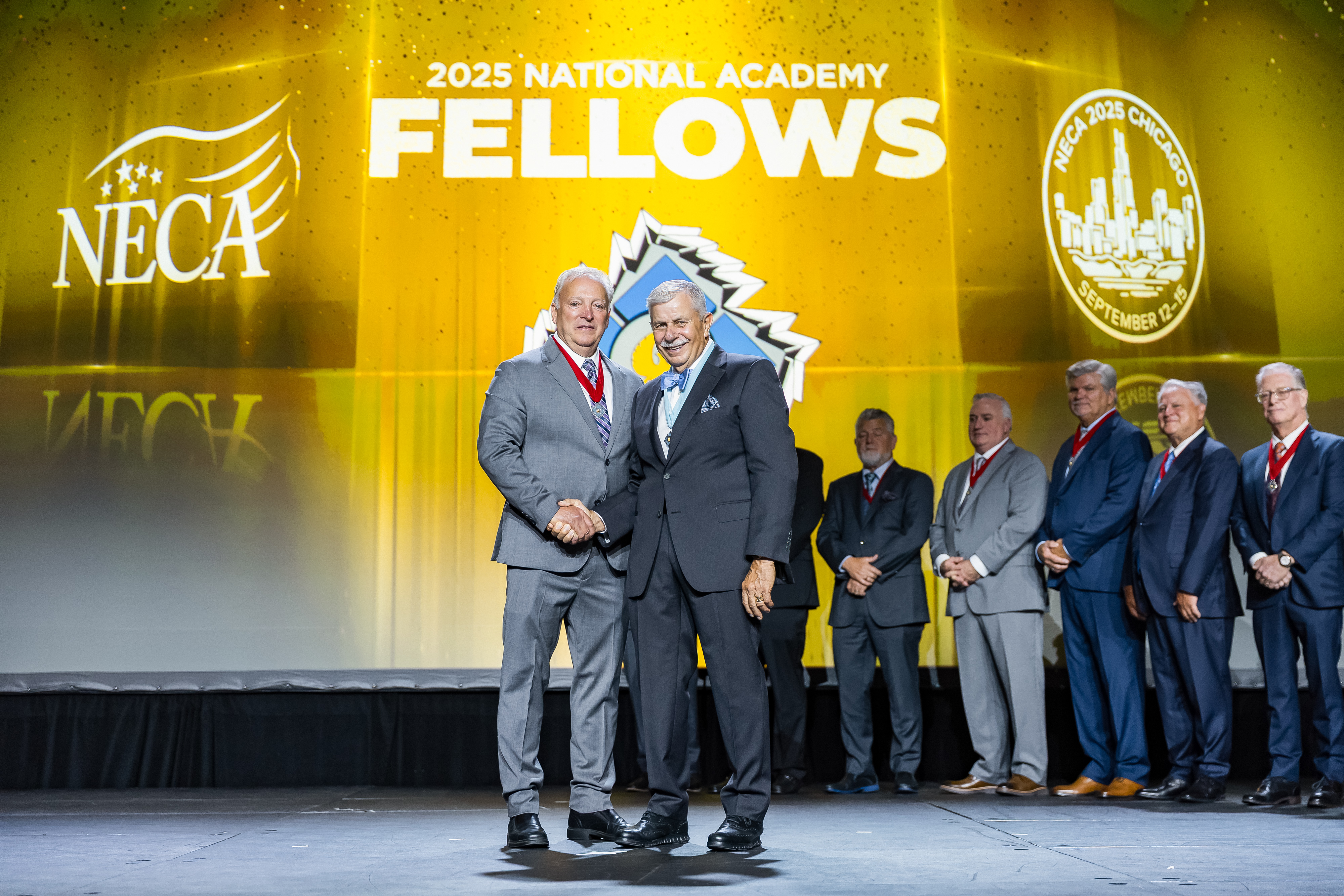
At the 2025 National Electrical Contractors Association (NECA) Convention in Chicago, Brian Hart was inducted as a Fellow of the Academy of Electrical Contracting, marking a proud milestone for both Martin Electric and the Hart family.

This honor, one of the most prestigious recognitions in the electrical construction industry, is reserved for individuals who have made exceptional contributions to the profession through leadership, innovation, and service. For Brian, the moment carried an added layer of meaning: his father, Don Hart, received the same distinction thirty years earlier, in 1995.

Don Hart, the first of three generations of Harts to lead Martin Electric, built his legacy on a relationship-driven philosophy centered around people - both employees and customers. His vision was simple but powerful: grow the company through integrity, craftsmanship, and trust. Under his leadership, Don made two commitments that continue to define Martin Electric today:

  1. Do everything possible to keep employees working, even during slow periods.
  2. Honor every contract and deliver quality workmanship—even if it meant sacrificing profits.

Brian Hart followed in his father’s footsteps, beginning his career as an IBEW electrician and spending more than two decades in the field before stepping into company operations. His deep understanding of the trade and strong focus on customer relationships helped strengthen Martin Electric’s reputation as a trusted partner and industry leader. Today, as President of the NECA Albany Chapter, Brian’s influence extends beyond the company—he continues to advance the electrical construction industry with the same dedication his father demonstrated.

The Academy of Electrical Contracting brings together thought leaders who shape the direction of the electrical construction field through research, mentorship, and advocacy. Brian’s inclusion is a testament to his ongoing efforts to strengthen workforce development, safety standards, and education within the trade.

As the next generation of Martin Electric leadership continues to grow, the company’s commitment to innovation and excellence remains steadfast.

Congratulations to Brian Hart on this well-deserved recognition and to the entire Hart family for their enduring impact on Martin Electric and the electrical contracting industry.

(Predictions for 2055… maybe we’ll see Kendra up on that stage?) ⚡

Brian Hart NECA Fellowship 2025  Brian c. 1995 3

Brian c. 1995 2

Celebrating Our Newest Journeymen!

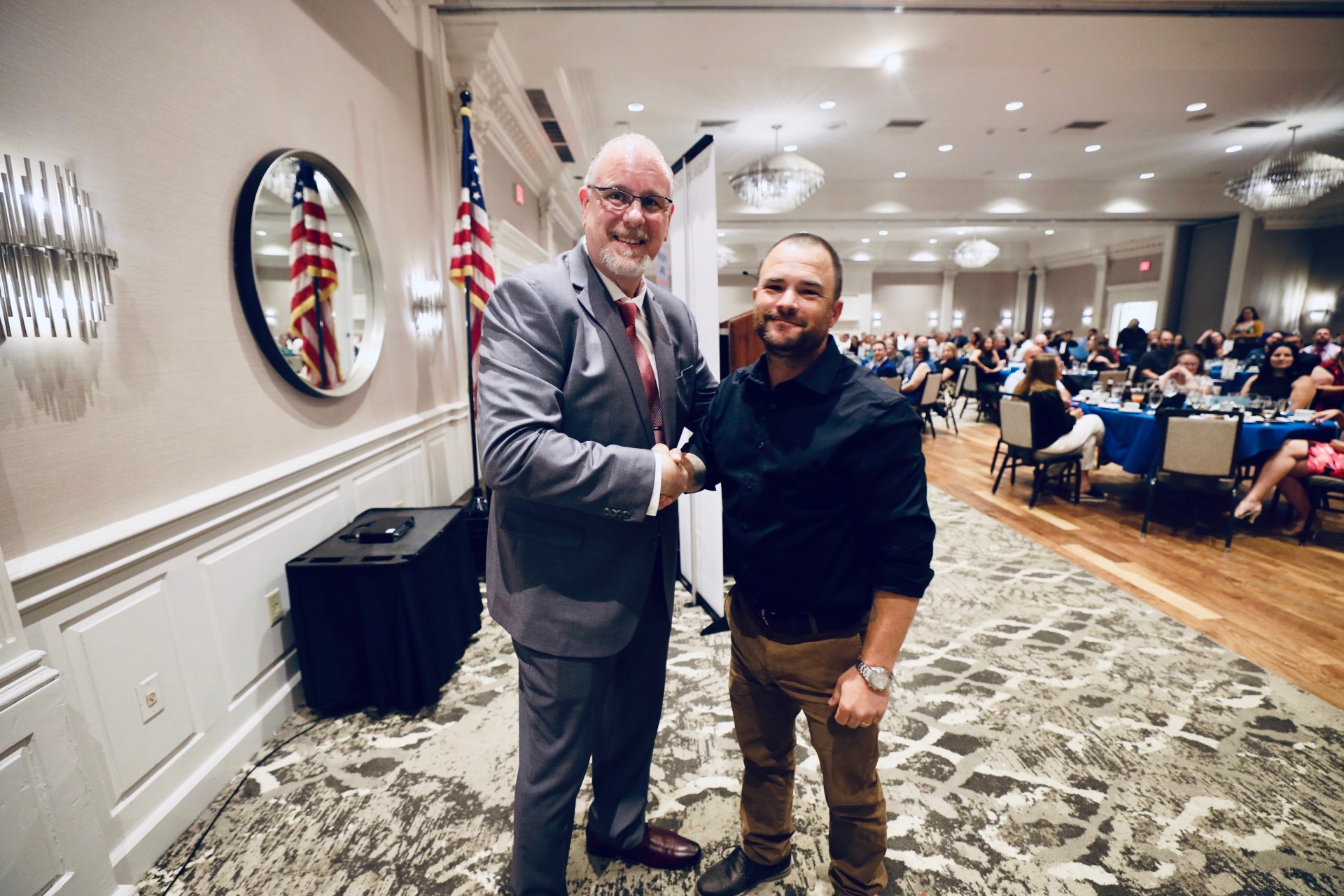
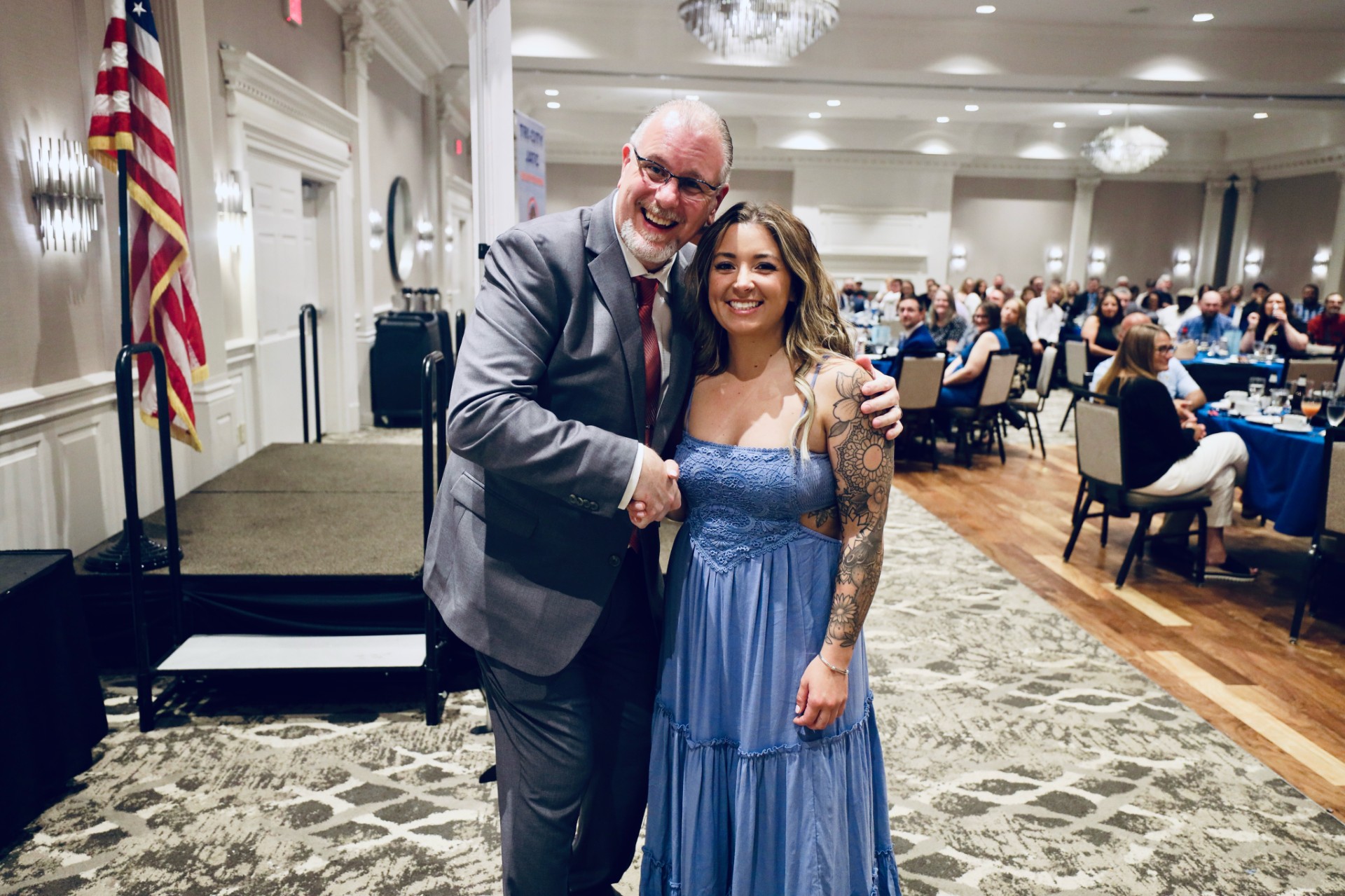
At Martin Electric, we’re proud to announce the graduation of three outstanding individuals — Tori Calhoun, Jon Cowles, and Jim Simon — from the Tri-City JATC electrical apprenticeship program. After five years of intense training, both in the classroom and on the job site, they are now officially journeyman electricians and valued members of our team.

This achievement marks the end of a rigorous journey. The Tri-City Joint Apprenticeship and Training Committee (JATC) program is one of the most respected in the electrical industry. Apprentices are trained through a combination of hands-on work experience and in-depth academic instruction, preparing them for a successful career in a high-demand, high-skill field. The program is a partnership between the International Brotherhood of Electrical Workers (IBEW) Local Union 236 and the National Electrical Contractors Association (NECA) — two organizations committed to excellence, safety, and opportunity. 

IBEW Local 236 represents some of the most skilled electricians in the Capital Region and beyond. The local union is built on a tradition of quality work, ongoing education, and strong labor values — and that’s exactly what Tori, Jon, and Jim represent.

We’re honored to have watched them grow into the professionals they are today, and we look forward to seeing how they continue to grow in their careers.

If you’re someone who enjoys hands-on work, problem-solving, and making a real impact in your community, we encourage you to consider a career in the skilled trades. Electricians are the backbone of our modern infrastructure, and at Martin Electric, we see every day how rewarding and essential this work is.

To learn more about the Tri-City JATC apprenticeship program and how to get started, visit: https://www.tricityjatc.org/page/about-us-1.html
And to learn more about IBEW Local 236, visit: https://www.ibew236.org/about/

Congratulations again to Jim, Tori and Jon — the Journeyman title looks good on you!

thumbnail_image2.jpgTori_2025.jpgimage00025.jpg


Continual Improvement Safety Matrix 2025 Recap

Our Continual Improvement Training Matrix ensures that employees remain current with all required safety and jobsite training, while also providing opportunities to pursue additional educational courses based on their interests and requests. Beyond required training specific to the jobsite, we continue to train our field and office staff for the best safety results. Our top priority is for every employee to do their best work during the day and go home safely to their families each night. Our Safety Matrix is proven to be successful through the bettering of our EMR each year. We are proud to say we currently hold a 0.50 EMR - an industry low!

Here was this year's Safety Matrix:

Quarter 1:

  • Sexual Harassment
  • First Aid/CPR/AED (Bi-Annual)
  • Skyworks Scissor Lifts
  • Arc Flash (Guest Speaker)

Quarter 2:

  • Heat Illness
  • Skyworks Power Industrial Lifts
  • Lovell Fall Protection
  • Skyworks Aerial Lifts
  • NFPA 70E
  • HAZCOM
  • Construction Safety Week

Quarter 3:

  • LOTO
  • NEC Code
  • First Aid/CPR/AED (Bi-Annual)
  • Excavation/Trenching
  • Lovell Confined Space
  • Mental Health
  • OSHA Safe & Sound Week

Quarter 4:

  • Winter Conditions
  • Confined Space

1755800253302 IMG 1041IMG 8331IMG 1527

Continual Improvement: August

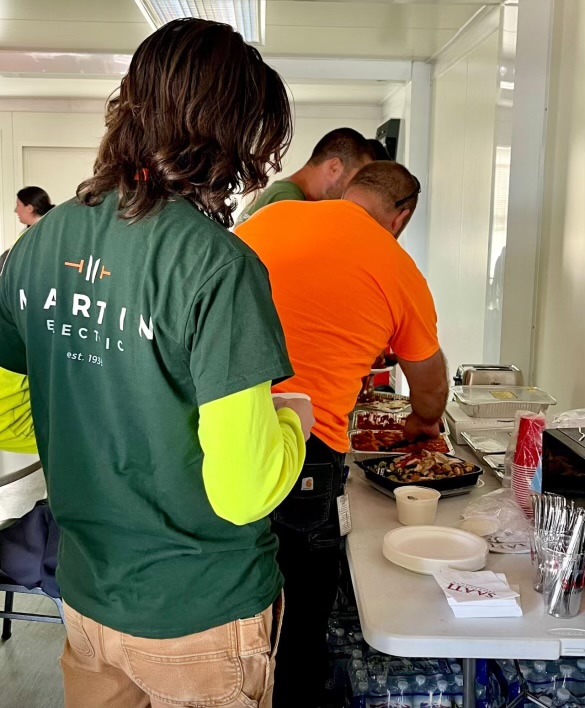
At Martin Electric, we are committed to continually improving our process and refining our craft. Based upon feedback from our frontline electricians, we host monthly hands-on training sessions that aid our teams in enhancing the safety, quality and efficiency on the jobsite.

August’s commitment to continual improvement included an Adult CPR Training Course, Trimble RTS Training, School Supply Drive, and welcoming the newest addition to our team, our RPI intern, Kaylee.

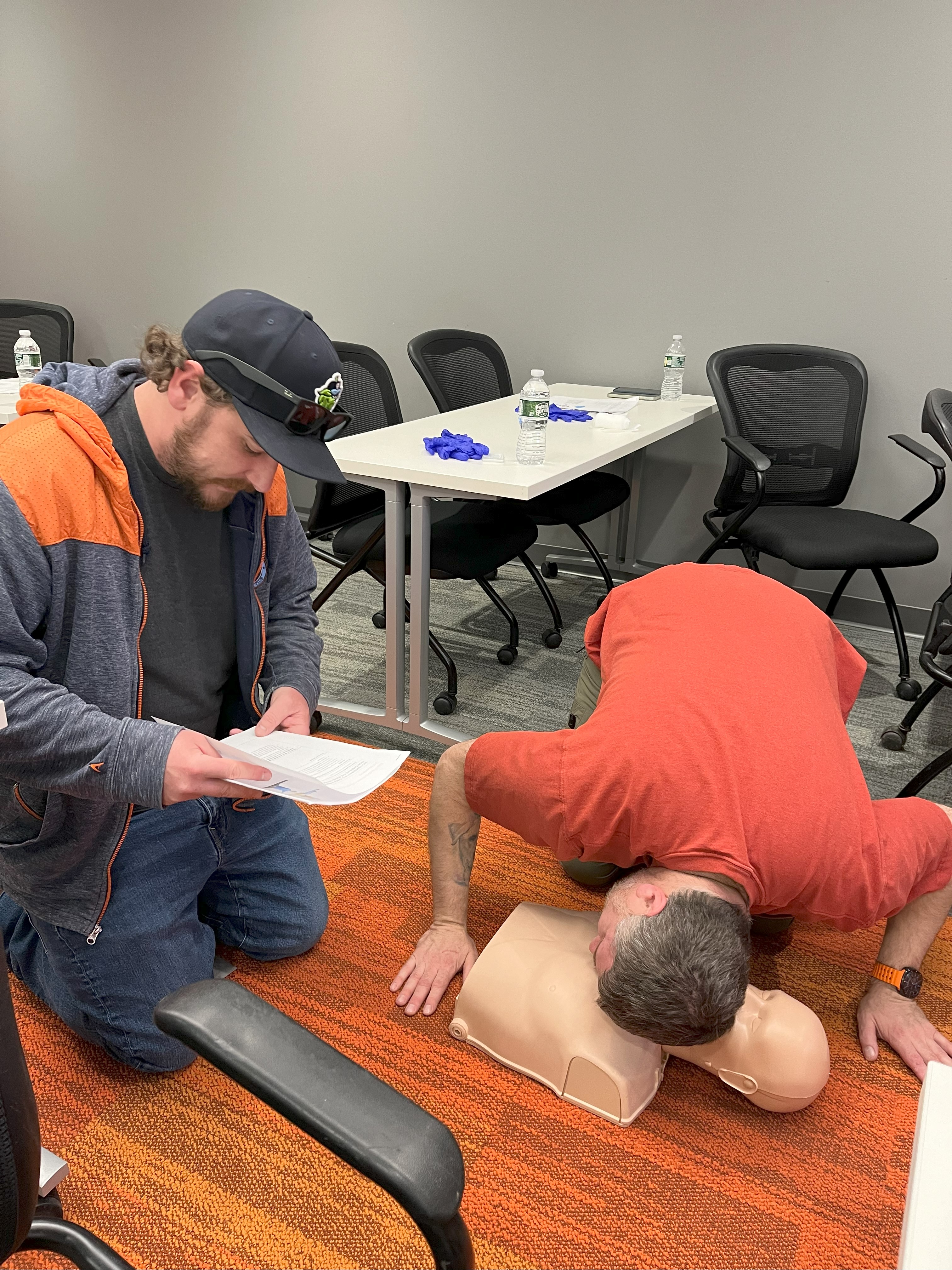
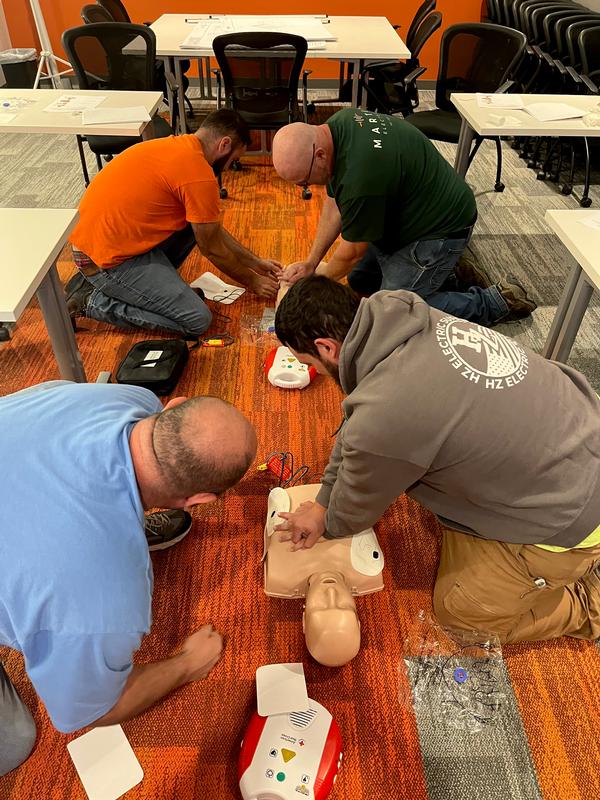
CPR Training: As electricians in the commercial and industrial space, we find ourselves facing all kinds of potential hazards whether it is heatstroke, burns, cuts, etc. Being CPR trained on a construction site is crucial for ensuring immediate and effective response to medical emergencies and having a crew trained in CPR means that life-saving measures can be administered quickly in the event of a cardiac arrest or other health emergencies. This preparedness can significantly improve the chances of survival and recovery for injured or ill workers, ultimately enhancing workplace safety and emergency readiness.

 Key take-a-ways included:

  • Identifying and classifying signs of Sudden Illness
  • Understanding surrounding hazards and SPEAKING UP!
  • Provide compressions of adequate rate and depth
  • Minimize interruptions in chest compressions

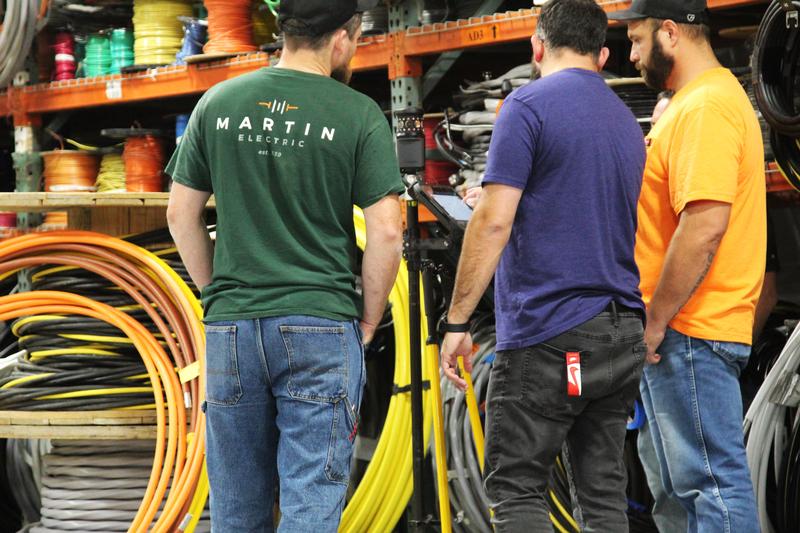
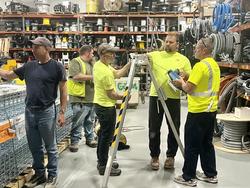
Trimble RTS Training: The trades are ever evolving which means we need to stay updated on the trends and technology. We welcomed Building Point to host a two day training course for our crew members who will operate this machine. The Trimble RTS is a robotic total station that combines advanced surveying technology with automation capabilities. Traditionally used in construction and engineering, it offers precise measurements and data collection, enabling professionals to achieve high levels of accuracy in their work. Its integration with software and GPS technology makes it a powerful tool for a variety of tasks, including those in the electrical field.

In practice, the Trimble RTS has been instrumental in a range of electrical projects. For example, in large-scale commercial buildings, it helps ensure that lighting layouts and electrical systems are installed precisely according to design specifications. In industrial settings, it aids in the accurate placement of equipment and machinery, contributing to overall operational efficiency.

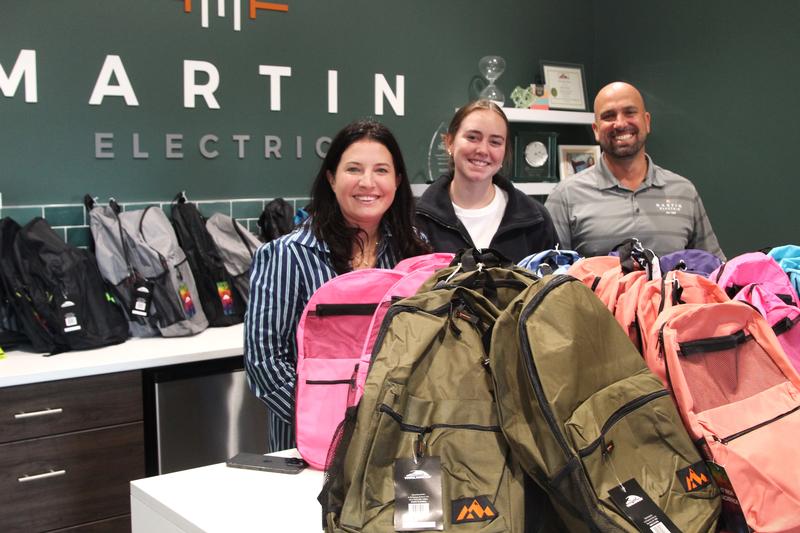
School Supply Drive: With the school year quickly approaching, Martin Electric spent the month of August coordinating a school supply drive with our crews across the Capital Region. With the generosity of our staff and collaboration with our community, we were able to stuff over 75 backpacks for kids in need across the Albany-Rensselaer areas! Thank you to everyone who played a part.

Intern Onboarding: We’re thrilled to welcome our new Project Management Intern, Kaylee, from RPI! This internship provides the opportunity to work alongside seasoned professionals, gain insight into project planning and execution, and actively participate in exciting projects. Your fresh perspective and eagerness to learn are truly valued, and we’re here to support you every step of the way.

Kaylee is a student in the RPI Arch Program. The Arch Program allows students the flexibility during one semester to pursue professional development. Kaylee is pursuing a Bachelor’s in Engineering and is interested in Construction Management after graduation. She is also on RPI’s Women’s Lacrosse Team!

IMG 6162

IMG 5376

2024 Backpacks

Tezza 2218


Continual Improvement: July

At Martin Electric, we are committed to continually improving our process and refining our craft. Based upon feedback from our frontline electricians, we host monthly hands-on training sessions that aid our teams in enhancing the safety, quality and efficiency on the jobsite.

July’s commitment to continual improvement included a confine space refresher course, Cadweld training focused on exothermic connections, NFPA 70E Standard for Electrical Safety in the Workplace, and the roll out of our new job site safety boards.

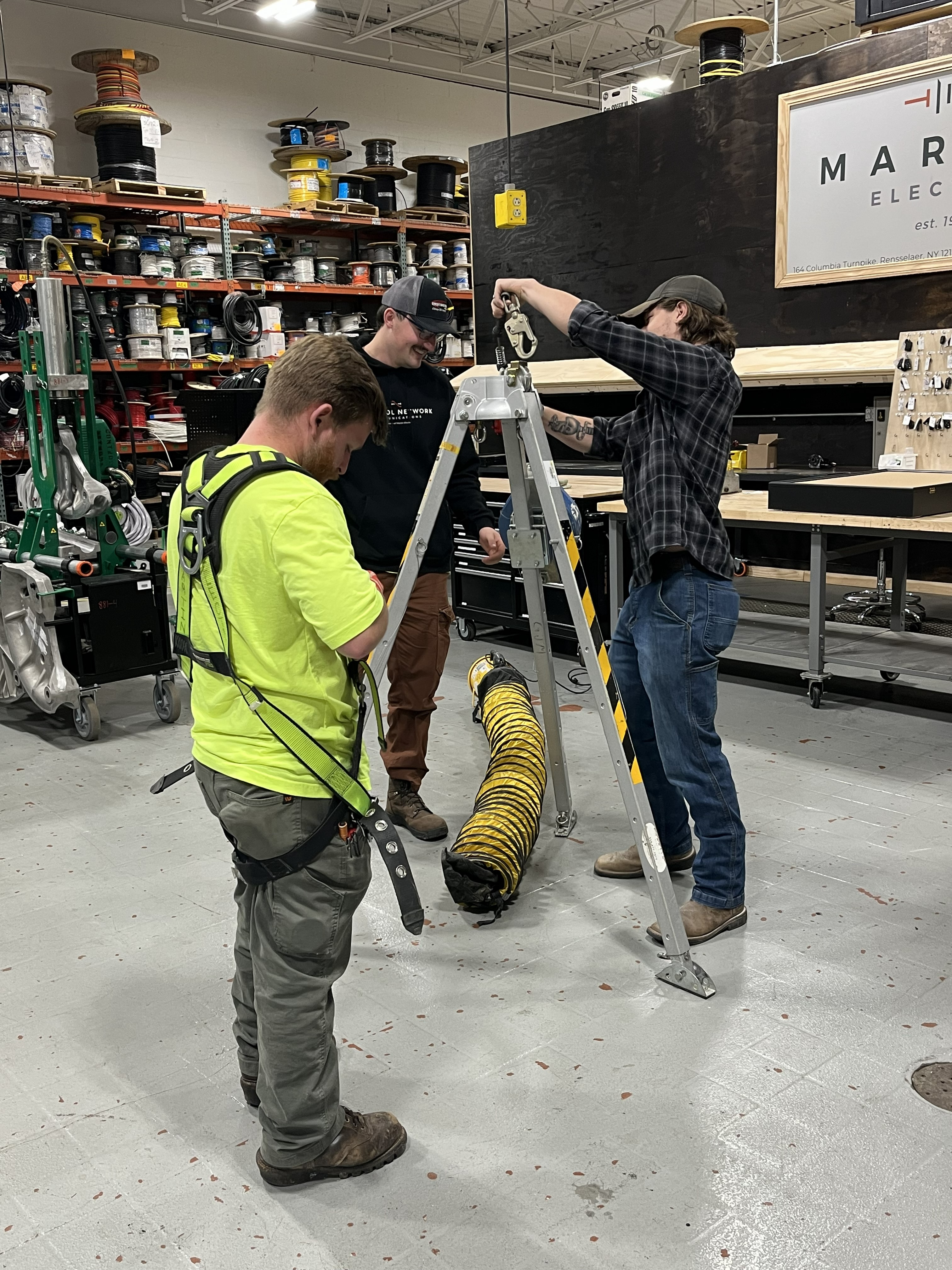
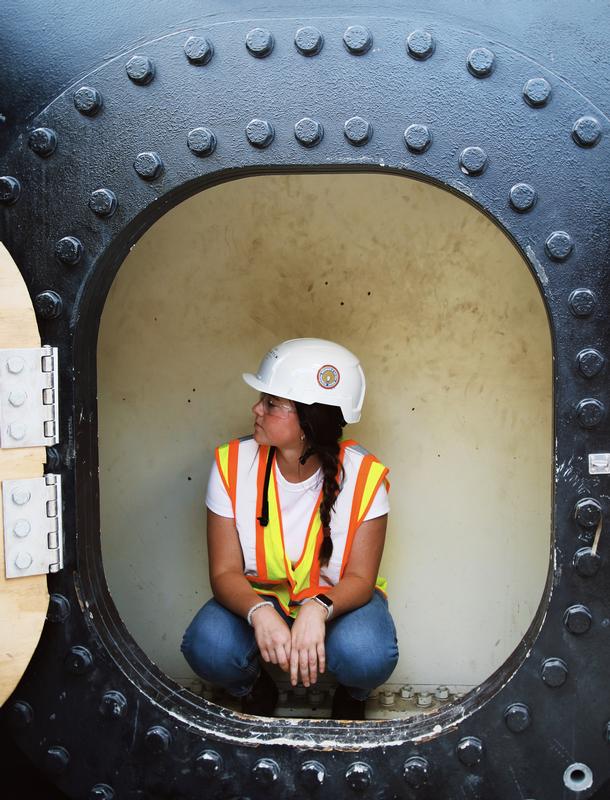
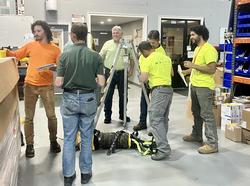
Confined Space Safety Training: As electricians we often find ourselves working in small spaces, whether it be manholes, interstitial spaces, or tunnels, that can be extremely hazardous.  To ensure our team members can identify and mitigate the hazards, we brought Lovell Safety to kick of #NationalSafetyMonth with confined space training. Key take-a-ways included:

  • Identifying and classifying confined spaces
  • Understanding hazards like lack of oxygen or engulfment
  • Proper use of PPE and confined space devices, including harness setup and tripod installation
  • Emergency rescue procedures and effective communication protocols

Cadweld Training on Exothermic Connections: Later in the month, we held a Cadweld training session focused on exothermic connections. This training was essential for our team to master the use of nVent ERICO Cadweld, a reliable method for making permanent electrical connections. For more details about the Cadweld training, check out this link. The course overview included:

  • Safe work practices when working with and near electrical equipment
  • Skills and techniques necessary to distinguish exposed live parts
  • Skills and techniques necessary to determine nominal voltage of exposed live parts
  • Clearance distances specified and corresponding voltages

NFPA 70E Training: Martin Electric holds pride in our safety EMR. To maintain this rating, we send our electricians many safety trainings each year, one of which is the NFPA (National Fire Protection Association) 70E Training for electrical safety in the workplace to meet OSHA 1910 & 1926 requirements.

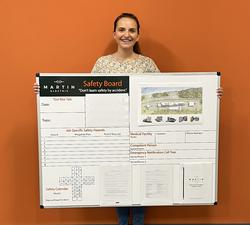
Job Site Safety Boards: We released our new job site safety boards, delivered to job sites last week. These boards are designed to keep safety protocols front and center for all employees. Construction sites are dynamic environments where safety is paramount. Job site safety boards play a crucial role in enhancing the safety and well-being of all workers on site. Here’s how they make a difference:

  • Clear Communication: Safety boards display important information such as safety procedures, hazard alerts, and emergency contacts, ensuring everyone is aware of the risks and how to mitigate them.
  • Real-Time Updates: Conditions on a construction site can change rapidly. Safety boards provide a central location for updates on weather conditions, equipment status, and any potential hazards, helping workers stay informed and prepared.
  • Training and Compliance: By listing required safety training sessions, certifications, and compliance requirements, safety boards ensure that all personnel are up to date with the necessary safety knowledge and regulations.
  • Accident Prevention: Highlighting recent incidents and near-misses on safety boards helps in learning from past mistakes and preventing future accidents. This proactive approach fosters a culture of continuous improvement.
  • Emergency Response: In case of an emergency, having a well-structured and easily accessible safety board with clear instructions and contact information can be lifesaving, ensuring quick and effective response.

1 2 4

Safety Board2

Continual Improvement: November

At Martin Electric, we are committed to continually improving our process and refining our craft. Based upon feedback from our frontline electricians, we host monthly hands-on training sessions that aid our teams in enhancing the safety, quality and efficiency on the jobsite.

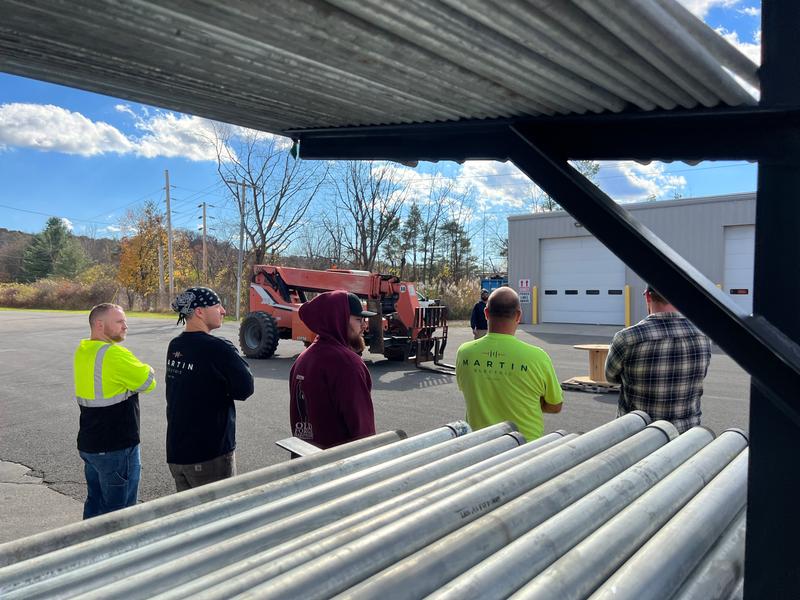
In November, our commitment to continual improvement featured a Telehandler/Forklift Training, a jobsite-specific Value Stream Mapping Session, and Submittal/T&M Focus Groups.

Skyworks Telehandler/Forklift Training: Our team completed a Telehandler/Forklift training course outside of our warehouse, hosted Jamie Dixon from Skyworks LLC. This is a reoccuring training that we hold so employees are able to lock in their knowledge and expertise in preparation of some upcoming projects. 

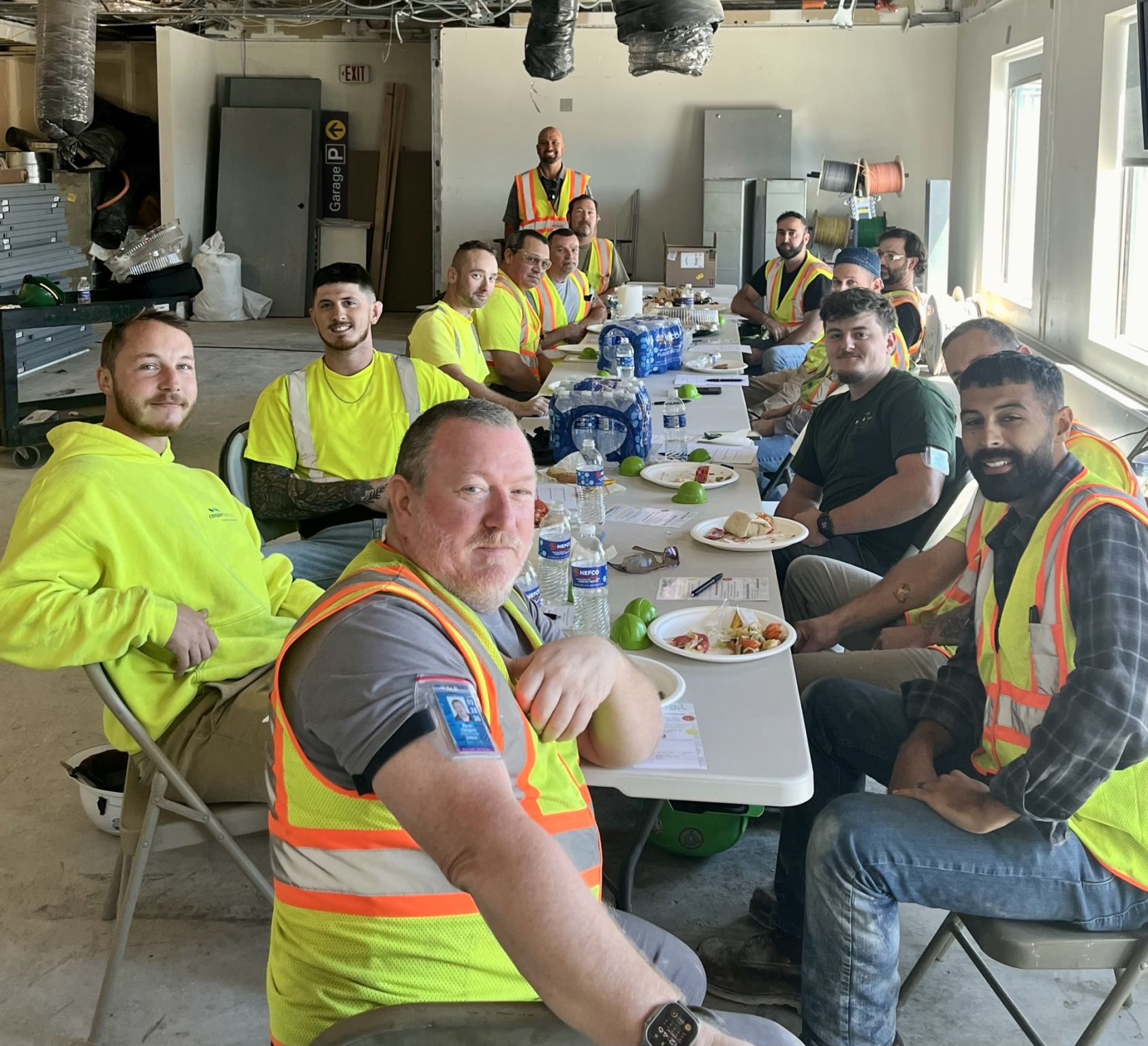
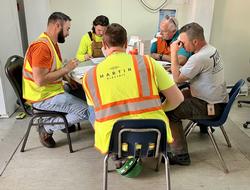
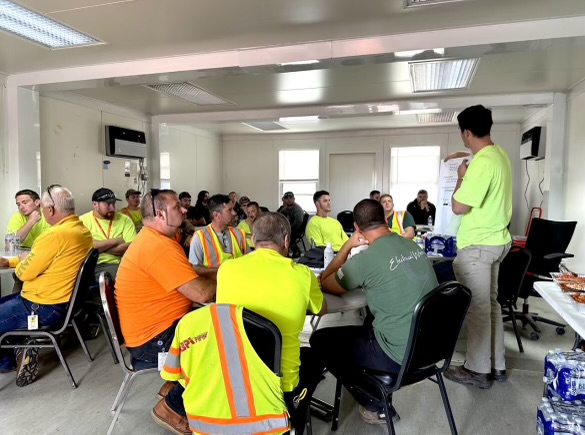
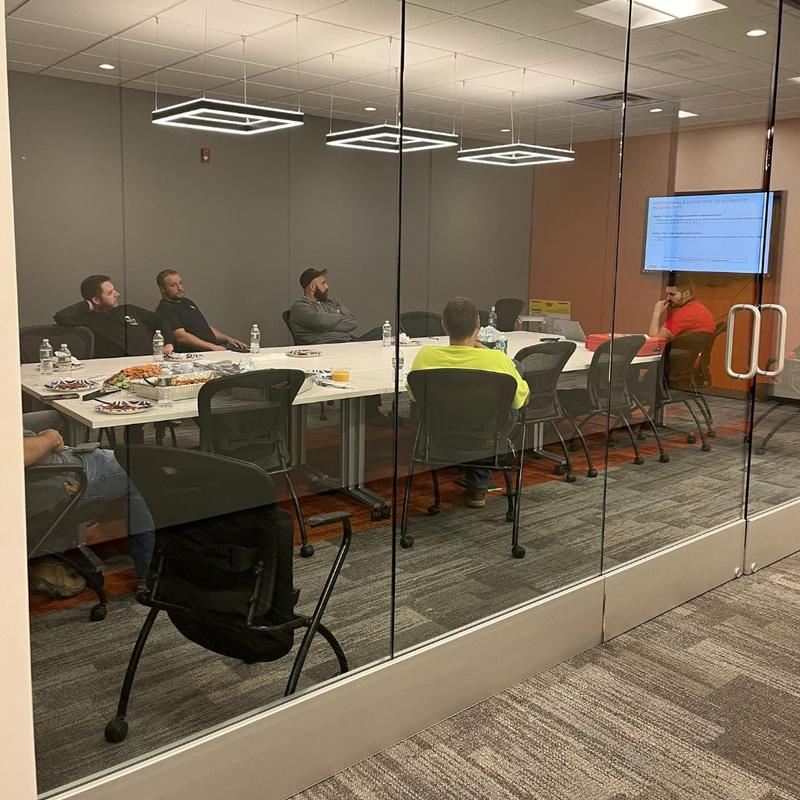
Value Stream Mapping Session: Our crews attended a Value Stream Mapping Session hosted by our Martin Electric Management Team to reiterate our Safety Management Plan and refine our pre-task planning. Value stream mapping is an excercise to reduce non-value adding waste in the overall process and standardize this across project teams. Safety is always our Company's top priority, so we continue to hold job-specific meetings to ensure our crews are up to date on who owns certain responsibilities as well as how to manage an incident if one were to occur (ie. reiteration of what steps to take and how to complete paperwork accurately). 

Submittal/T&M Focus Groups: Martin Electric's Management Team held focus groups in our weekly meetings, focusing on value mapping of two business processes: Submittals and T&Ms. These processes are continually changing from job to job so our Management Team is working towards the best process across the board to ensure accuracy and efficiency. 

Check out our monthly Continual Improvement blogs on our website at www.martinelectric.com and stay up to date on our LinkedIn @martin-electric!

IMG 7669

Continual Improvement: October

At Martin Electric, we are committed to continually improving our process and refining our craft. Based upon feedback from our frontline electricians, we host monthly hands-on training sessions that aid our teams in enhancing the safety, quality and efficiency on the jobsite.

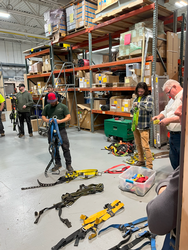
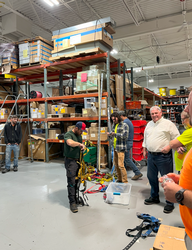
In October, our commitment to continuous improvement featured a two-day Fall Protection Course hosted by Bob Labombard from Lovell Safety.

Lovell Safety Fall Protection Certification: Electricians face unique risks, working at heights on poles, ladders, scaffolding, and in confined spaces. Proper fall protection helps prevent injuries, ensures OSHA compliance, and promotes employee well-being and morale. Rob “Bob” Labombard led the training, guiding our field electricians on key aspects of harness safety—from how to wear a harness correctly to recognizing when it’s no longer safe to use.

Check out our monthly Continual Improvement blogs on our website at www.martinelectric.com and stay up to date on our LinkedIn @martin-electric!

Screenshot 2024 10 31 112134 Screenshot 2024 10 31 112150

Continual Improvement: September

At Martin Electric, we are committed to continually improving our process and refining our craft. Based upon feedback from our frontline electricians, we host monthly hands-on training sessions that aid our teams in enhancing the safety, quality and client experience on the jobsite. 

In September, our commitment to continual improvement featured a Hilti Fire Safety Certification Course, an all-hands SWOT analysis of our safety program, a collaboration with Graybar on managing lighting packages, the Clarkson Fall Career Fair, and a focus group with our internal stakeholders on our material procurement process.

Hilti Fire Safety Certification:

Thanks to Bryan Smith at Hilti, our electricians had a refresher training in on the safe operation and maintenance of the Powder Actuated Fastening and Firestopping tools. Key take-a-ways included:

  • Enhanced Skills: The training provided hands-on experience with powder actuated fastening techniques and firestop methods, improving our team's overall competency.
  • Safety First: Emphasis was placed on safety protocols, ensuring our team is well-prepared to handle potential hazards effectively.
  • Increased Efficiency: By mastering these techniques, we can work more efficiently and confidently, ultimately benefiting project timelines.
  • Collaboration with Experts: Learning directly from Hilti instructors allowed for valuable insights and a deeper understanding of the products we’ll be using.

Team Safety SWOT Analysis: The Silent Killer – Complacency.

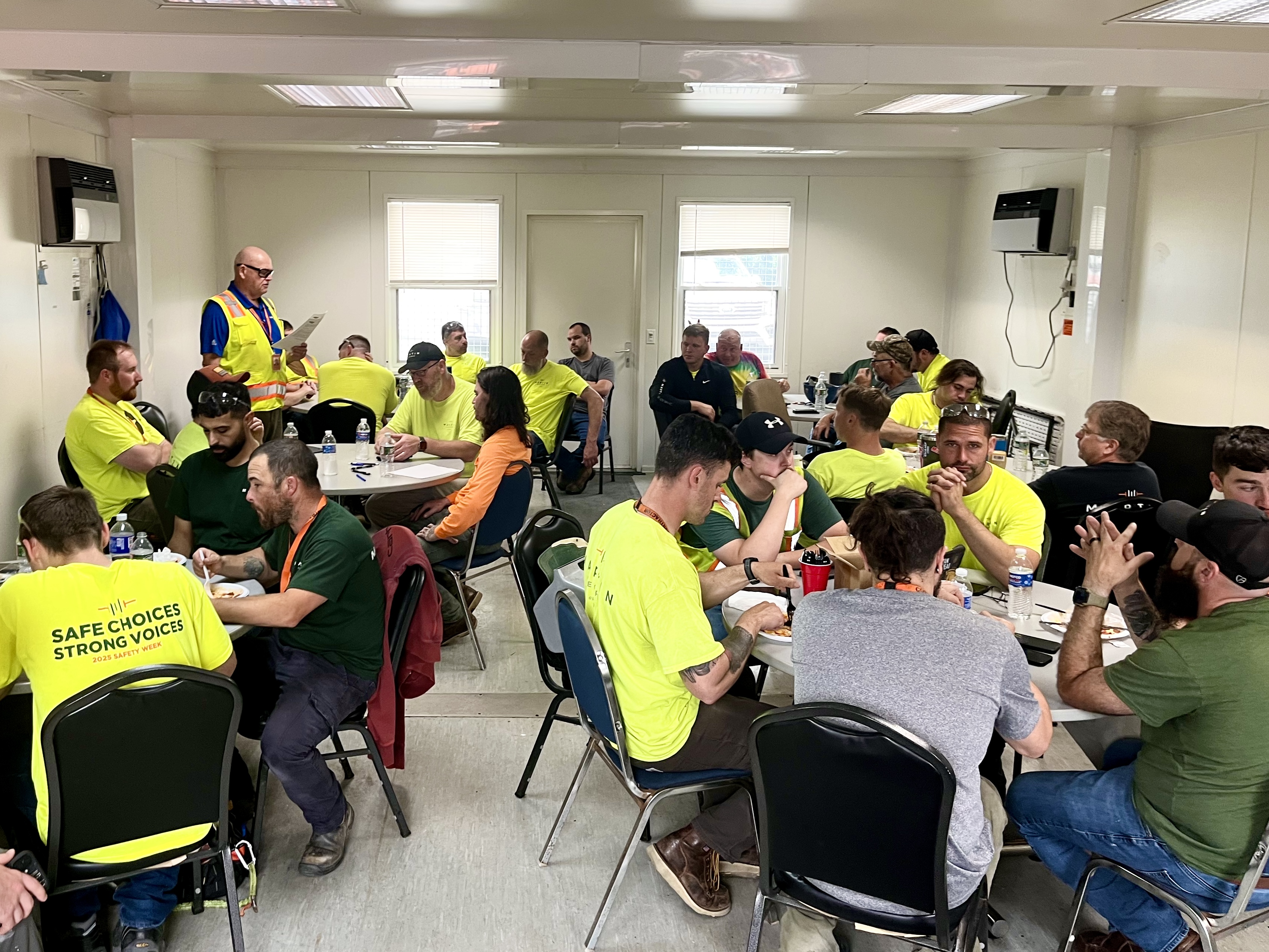
It is proven that while success can instill confidence, it can also breed complacency. At Martin Electric, we make every effort to not let our success be a silent killer. We mitigate this threat through continual training, education, and awareness. This month we had an all hands safety lunch and learn where our teams performed a SWOT analysis of our safety program. From the people closest to the work, we identified the biggest threat to our industry and our people as being complacency. Our team came up with several ways in which we can mitigate the threat of complacency:

  • No matter how familiar the work may seem, every job and environment is different which makes pre-task planning and job hazard analysis a non-negotiable at Martin Electric.
  • Enhanced awareness. Every meeting must include a discussion surrounding safety
  • Buddy System to ensure those crew members new to the site understand the working environment and associated hazards
  • Recognition and reward for safe work practices and holding individuals accountable for unsafe behavior
  • “See something, say something” mentality

Sip & See Hosted by Graybar:

Graybar visited our office to host a Sip & See on their for our Project Management and Purchasing Team. In addition to some fun end-of-summer drinks, they introduced a new just in timetracking system for lighting and packages.

Clarkson Career Fair:

Martin Electric took part in Clarkson University’s 3-day Fall Career Fair. The itinerary for this event looked like this:

  • Day 1: Careers in Construction Industry Mixer. This was beneficial to introduce our company to other industry leaders and students interested in the trades.
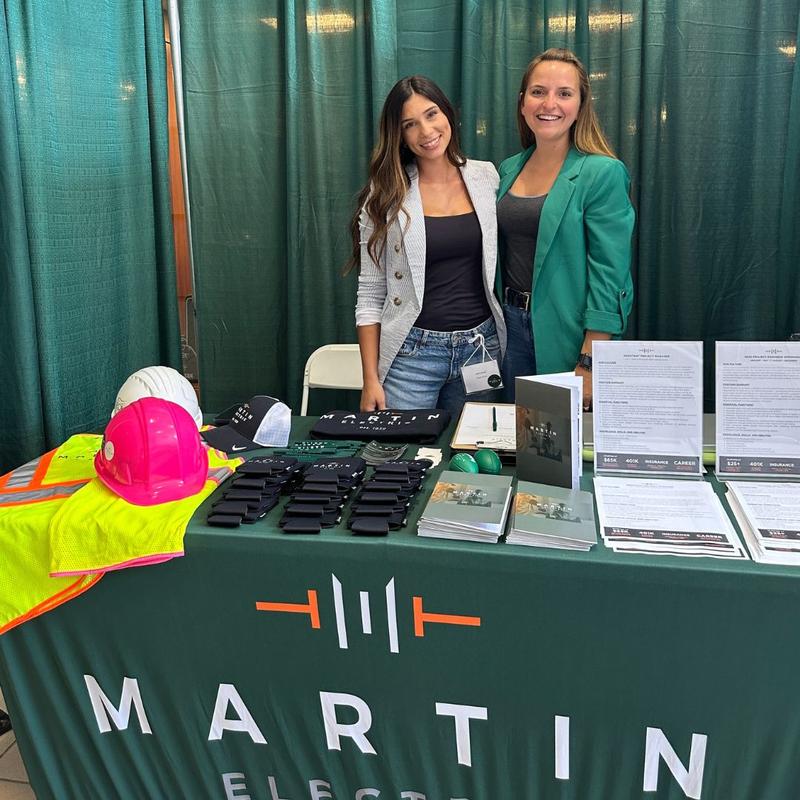
  • Day 2: Career Fair. The gym was buzzing with students and employers who were looking to find their perfect match. We had the opportunity to speak with many students interested in our internship program as well as our full-time openings. It was refreshing to see so many energetic young minds committed to their future.
  • Day 3: Interview Day. We spent the morning at Clarkson interviewing students interested in the opportunities at Martin Electric. Many qualified candidates, making it hard for us to just choose one!

Procurement Focus Group: As part of our 5S warehouse project, our operations team has been tasked with creating an SOP for this business process. To do this, we knew we needed to hear from our front line managers and vendors so a focus group was conducted. The feedback received, will help us in standardizing our process that benefits all.

IMG 0216

IMG 0215

Updated Logo (2)

Updated Logo

Kendra Hart Joins Albany Business Review's “NextGen” Panel

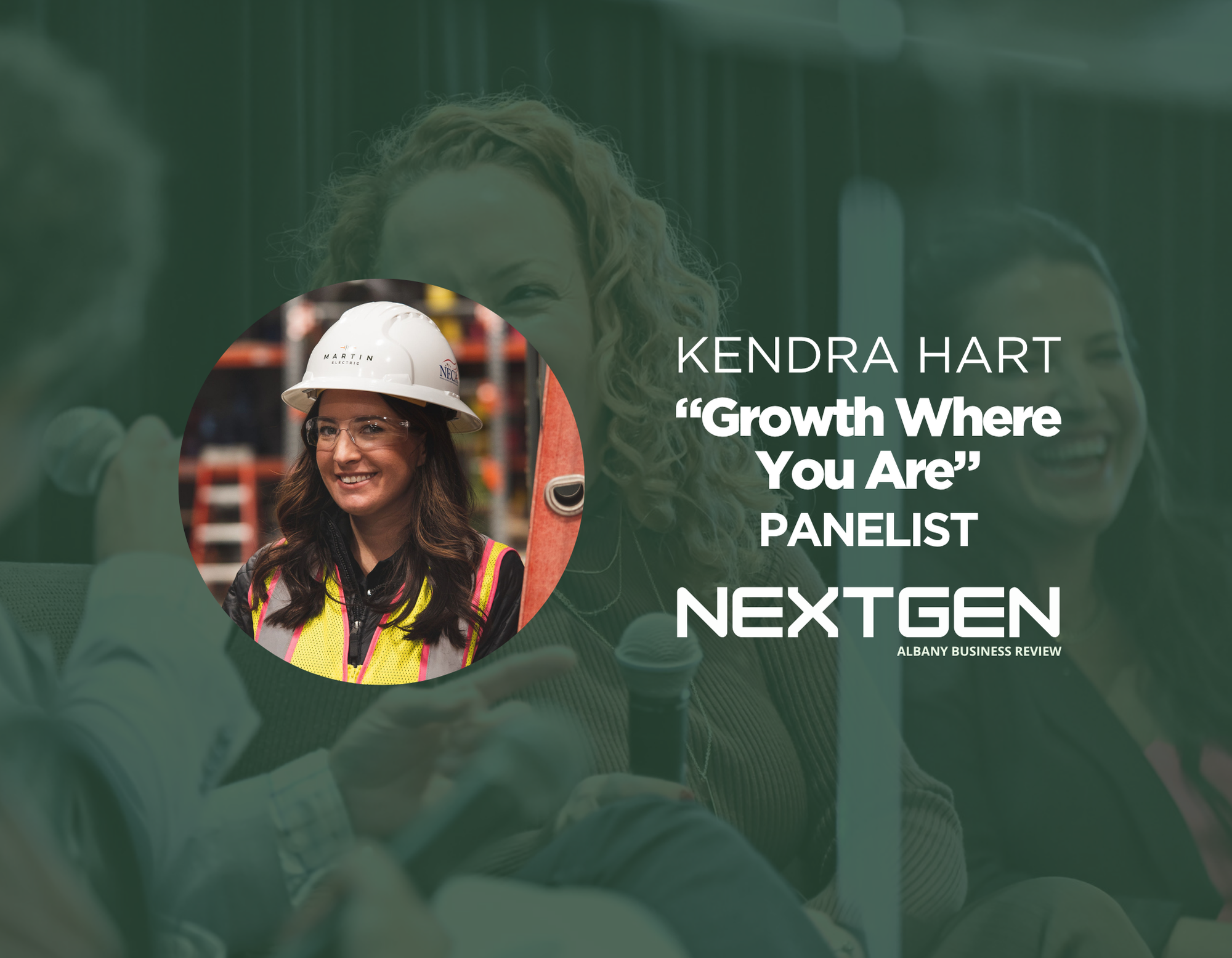
Martin Electric President Kendra Hart recently joined fellow Albany Business Review 40 Under 40 honorees on the NextGen panel, an event designed to connect emerging professionals with established business leaders shaping the Capital Region’s future.

The discussion brought together Kendra and co-panelists Brianne Baggetta (The Mailworks), Jon Keller (Jahnel Group, Inc.), and Katie O’Malley Maloney (Katie O’ Weddings and Events) for an engaging conversation on leadership, career growth, and navigating the modern workforce. Panelists shared perspectives on leading across five generations in the workplace, empowering teams without micromanagement, and adapting leadership styles to a rapidly changing business landscape.

Next Gen Panel 2025 Blog

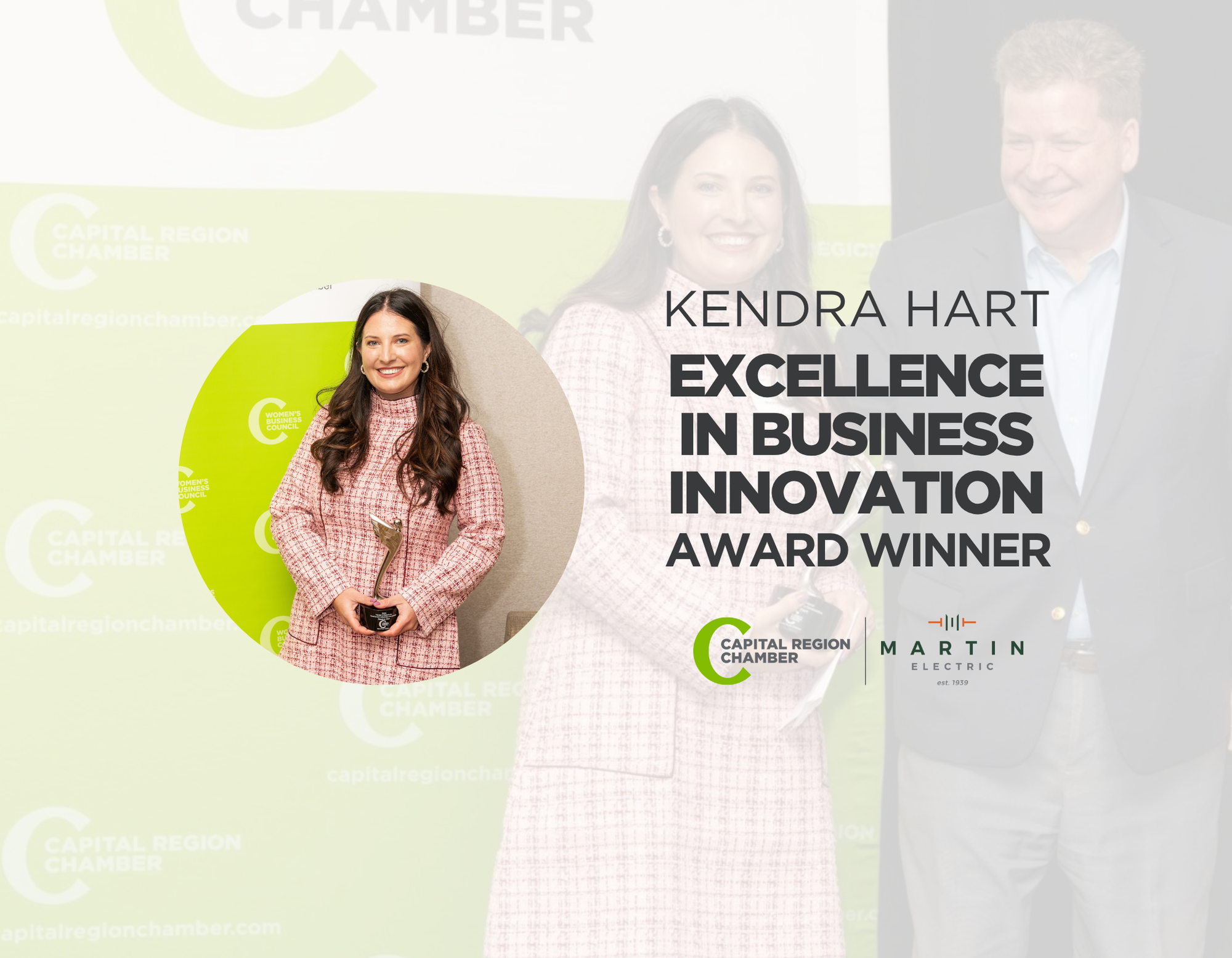
Kendra Hart Wins Excellence in Business Innovation Award!

Congratulations Kendra Hart, LEED GA, recipient of the Capital Region Women's Business Council's Women of Excellence Awards - Excellence in Business Innovation Award! ⭐

This award honors leaders who drive meaningful change through innovative thinking—whether by creating new markets, launching forward-thinking services, or transforming business operations. Kendra was recognized for her commitment to pushing boundaries, solving challenges with strategic vision, and continually evolving how we do business at Martin Electric.

Watch her acceptance video here! 

 Empowerment Awards 6

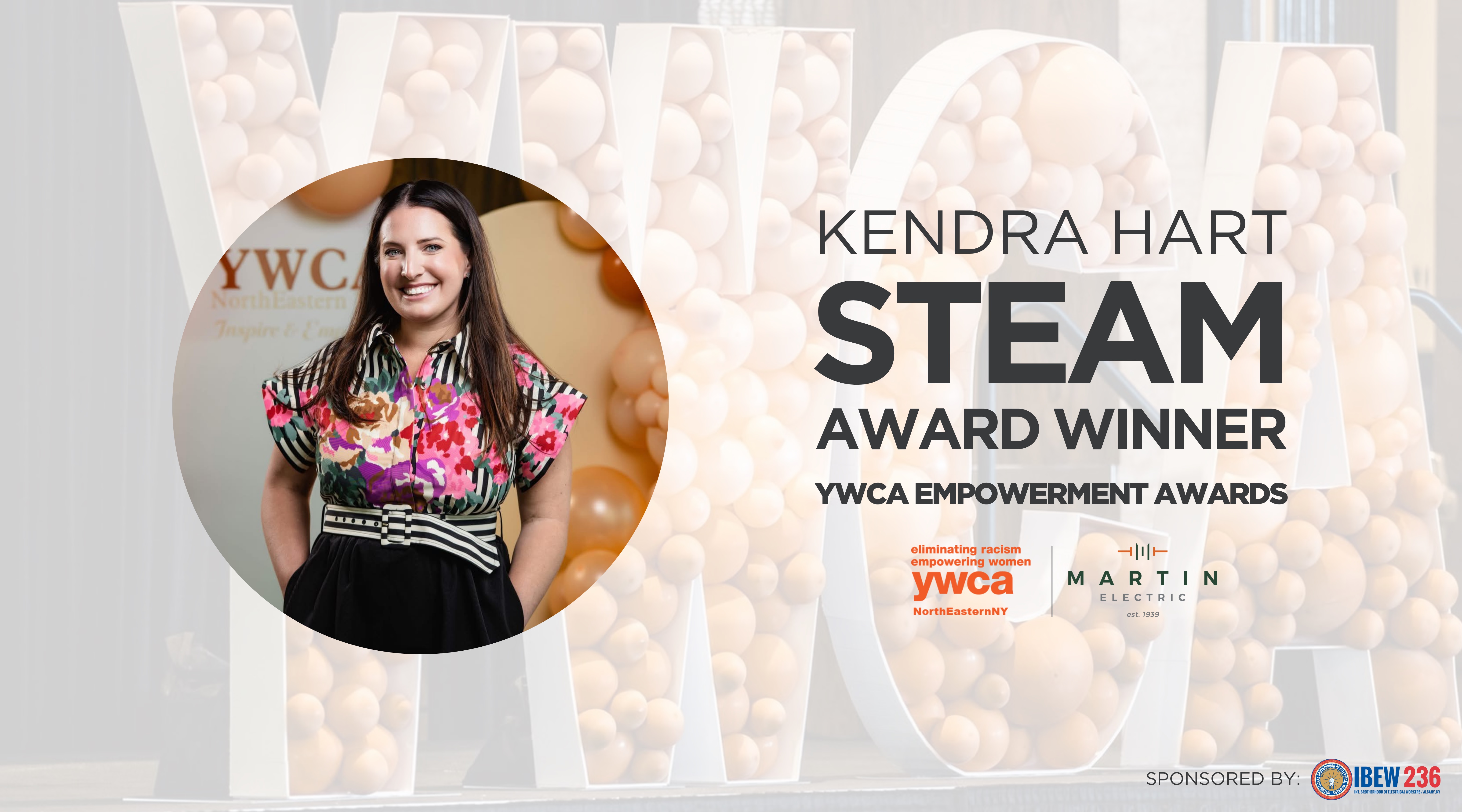
Kendra Hart Wins YWCA STEAM Award!

Congratulations Kendra Hart, LEED GA, recipient of the YWCA NorthEastern NY 42nd Annual Empowerment Awards - STEAM Award! ⭐

At Martin Electric, we pride ourselves on “POWERING communities. EMPOWERING people. Since 1939,” and Kendra embodies these values every day. Kendra's passion for creating opportunities in STEAM fields makes her the best candidate for this award. We couldn’t be more proud to have her leading us as we continue to make a lasting impact in our communities.

Thank you IBEW LOCAL 236 BUILDING CORP for your sponsorship!

Watch her acceptance video here! 

 Kendra STEAM Award Graphic

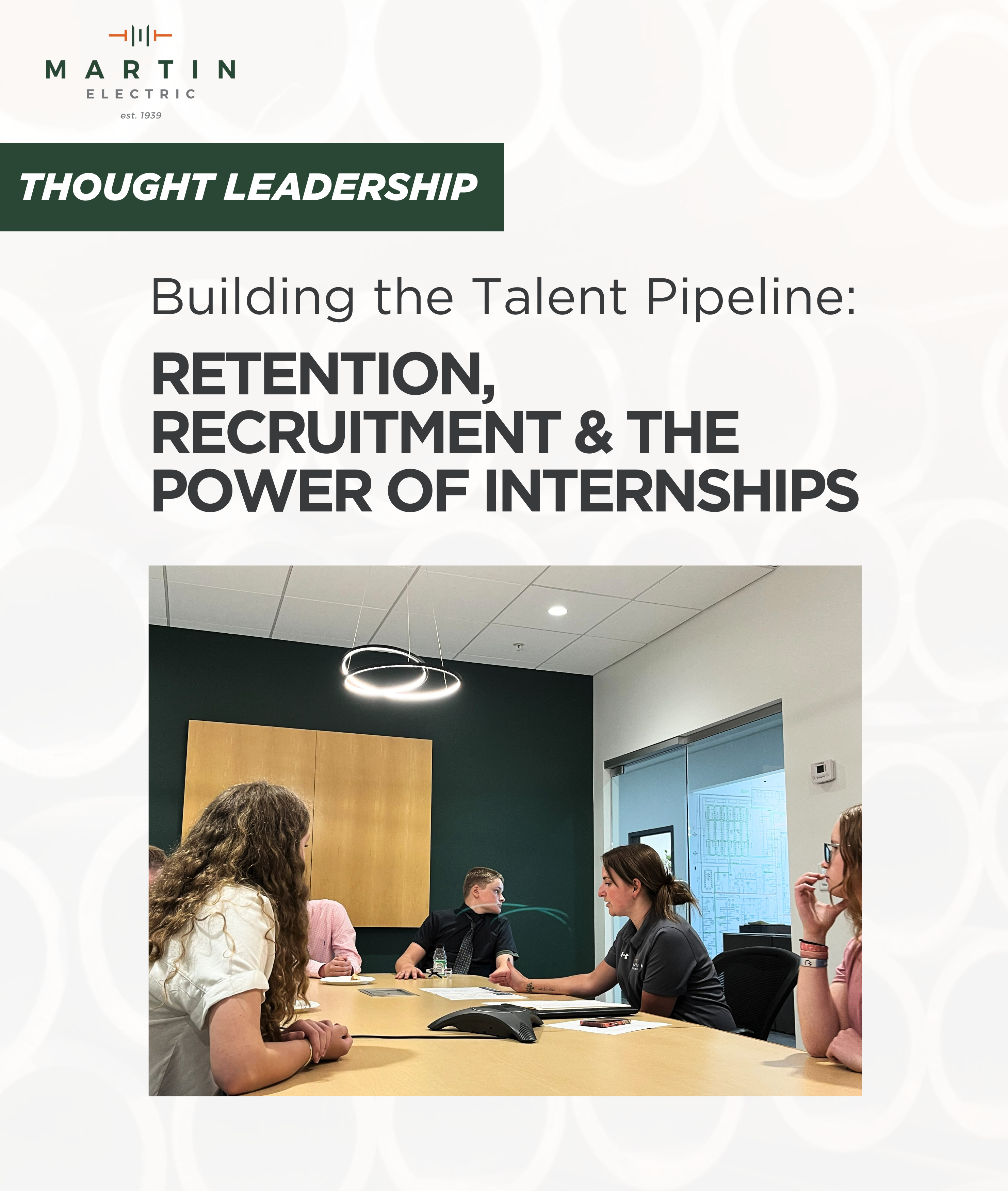
Thought Leadership:  Building the Talent Pipeline

Retention, Recruitment & the Power of Internships

In the electrical construction industry, the quality of our work is directly tied to the quality of our people. Tools and technology can only go so far, it’s the skilled hands and sharp minds behind the scenes that drive projects forward. At Martin Electric, we’ve learned that building a strong workforce doesn’t happen by chance. It takes planning, patience, and a shared commitment across the industry to retain, recruit, and nurture the next generation of talent.

Retention: Keeping Skilled Workers Engaged and Employed

We know we’re not alone in facing the workforce challenge. The construction industry is currently short of over 430,000 workers, according to the National Association of Home Builders (NAHB). That’s not a statistic—it’s a call to action.

One of the biggest lessons we’ve learned. Develop from within. We’ve seen a higher success rate when we promote and hire from the field directly, rather than bringing in candidates from outside. In our experience, if someone is looking for a job in construction today, there’s probably a reason and not always a good one. The best workers? They’re already out there, working. That’s why identifying and investing in talent early is so critical.

Recruitment and Internships: Planting the Seeds Early

Attracting new talent starts long before a resume hits our desk. We’ve built strong partnerships with educational institutions like HVCC, BOCES, Clarkson, and RPI to identify promising students early and bring them into the fold through targeted internship programs.

Martin Electric is doing its part by engaging with students as early as elementary school through workforce development workshops. These aren’t career days, their hands-on, eye-opening experiences that reveal the real, rewarding opportunities waiting in the trades. And it’s working. Early exposure helps shift outdated perceptions and inspires curiosity about a career path that many students hadn’t considered.

Our Project Engineering Internship gives students hands-on exposure to real-world project management, from tracking submittals to shadowing jobsite walks. Meanwhile, our Warehousing Internship introduces students to field logistics—picking, packing, and shipping materials critical to jobsite success.

These programs don’t just teach skills; they create career pathways. Many of our current journeymen and foremen got their start in our warehouse as interns. Watching them grow into leadership roles isn’t just gratifying—it’s proof that investing in people pays off.

Pro tip for recruitment: Build long-term relationships with educational institutions. Stay connected by attending industry-related events and always make sure your company is top of mind for students, faculty, and emerging professionals. Consistency and visibility are key!

Beyond Martin Electric: Advocating for the Trades

According to the U.S. Bureau of Labor Statistics, 41% of the current construction workforce is expected to retire by 2031, while the number of new entrants into the field isn’t keeping pace. That’s not just a demographic shift, it’s a wake-up call.

If we want a strong future for our industry, we must build together. That means sharing ideas, collaborating across organizations, and creating real opportunities for students and young professionals to explore the trades.

Martin Electric can’t do it alone. Workforce development takes all of us- educators, contractors, community leaders, and industry advocates- working in concert to guide, support, and retain the talent we need for the future.

Written by Kelsey Freire, Human Resources Director at Martin Electric.

September Thought Leadership Graphic


Thought Leadership: 2025 Industry Outlook

2025 Industry Outlook: Electrical Construction Industry

Buckle up - as the electrical construction industry is poised for a transformational yet turbulent year ahead and beyond. With continued workforce challenges and explosive market demand, companies within the industry must adapt to ensure growth and resilience. Below are key trends, opportunities, and challenges shaping the landscape.

Key Trends to Watch in 2025

1. Grid Capacity Constraints

The rise of high-demand industries like artificial intelligence (AI) computing and advanced manufacturing are putting unprecedented pressure on an already aging power grid. With many regions already grappling with capacity issues, electrical contractors will be essential during the project development and design phases to assist with power reliability and continuity planning.

2. Mega Projects

Mega projects—those exceeding $1 billion in capital expenditures—are transforming not just communities, but the entire construction landscape. With 73 semiconductor plants, 30 battery plants, and $59 billion in data center construction underway or planned, mega projects are setting the stage for a new era of industry growth.  Locally, a standout example is the anticipated $1.7 billion New York State Department of Health Life Sciences Public Health Lab. While Mega Projects can positively impact local economies, there are many ripple effects that are felt across the country that contractors need to be aware of.

3. Workforce Shortage

Finding skilled labor will remain a critical issue for the electrical construction industry in 2025. CNBC reported that “every year, nearly 10,000 electricians either retire or change careers, but only about 7,000 new ones enter the field.” A shortage of both field workers and engineering staff is expected to persist, leading to increased competition for talent. Companies will need innovative workforce development strategies, such as internship programs and partnerships with trade schools, as well as incorporating tech-forward solutions into the business practice.

4. Shift in Policy

A change in administration is bringing shifts in construction priorities, with a pivot toward traditional infrastructure projects such as roads, bridges, power plants, and industrial and fossil fuel facilities. Here’s what this means for electrical contractors:

  • Opportunities in private sector-driven projects and public-private partnerships (PPP’s). Locally, projects like the Livingston Avenue Bridge stand-out.
  • Risks for renewable-focused projects. Locally, projects like the Port of Albany’s Offshore Wind Facility may be at risk. Additionally, there has been speculation as to the future of CHIPS Act under this Administration which could have an impact on local projects like Micron, GlobalFoundries. However, all indications point to the funding remaining in place with potential changes to how the law is implemented – such as DEI requirements.
  • Tariffs will likely drive short-term increases in raw material costs. The US relies significantly on imports for materials such as wood, iron, steel, and semiconductor chips. These imported materials will likely be subject to Trump’s “America First” economic policy, which includes a proposed 10-25% tariff on imports.
  • Deregulation that could streamline preconstruction by cutting down permitting timelines.

5. Re-shoring Manufacturing and Supply Chain Adjustments

With more manufacturing facilities moving back to the U.S. to improve supply chain efficiency, the demand for localized electrical construction projects will rise. Contractors will be called upon to service domestic manufacturing plants, potentially filling gaps left by other diminishing sectors.

6. Private Equity and Industry Consolidation

Smaller electrical contracting businesses are likely to remain prime targets for private equity acquisitions. These deals can help bolster larger players' market positions but may also drive out smaller, independently owned businesses, changing the competitive landscape.

7. Union Negotiations and Labor Market Shifts

Labor negotiations are heating up across the U.S., with unions securing wage increases and improved quality-of-life benefits well beyond the historical average. Locally, for example, IBEW Local 43 negotiated a $15/hr raise in base pay over three year contract, reflecting the anticipated uptick in workforce demand—spurred, in part, by landmark projects like Micron facility. IBEW Local 236 will begin contract negotiations next month, so it will be interesting to see if they follow suit, despite, 186 Journeyman and 10 apprentices out of work at present.

Challenges on the Horizon

1. The Ripple Effects of Mega Projects on Workforce

Mega projects create a labor vacuum that pulls in talent from all parts of the country due to attractive incentive pay and per diem. A single mega-project will occupy thousands of construction jobs over several years, which will draw on other building projects and communities. Whether working on a mega-project or not, it is imperative that contractors understand the labor environment and provide the necessary cost contingencies to mitigate the risk

2. Tightened Construction Schedules

Decreased construction durations will remain a significant hurdle, as tighter deadlines put pressure on contractors to deliver projects faster. This compression of timelines can lead to increased costs, operational inefficiencies, and quality control concerns.

3. Capability Gaps

A lack of qualified and competent professionals at both the engineering and construction levels presents a significant bottleneck. The growing complexity of projects requires expertise many firms currently find hard to secure.

4. Unfavorable Contract Terms and Unforeseen Expenses

Gone are the days of verbal commitments and handshake deals. It is imperative that contractors fully understand the contract terms and work within that framework. If you’re a specialty contractor, it is also prudent that you request, at bid time, the Prime Contract, as most flow-down to the subcontractor. Below are keys areas to watch for when signing contracts:

  • Change Orders: Due to significant deficiencies in contract drawings, many projects are seeing an increase in Change Orders. However, most contracts allow for only a combined 10% markup on Overhead & Profit and the inability to charge for indirect expenses such as Project Management, BIM, Equipment Rentals, etc. As most contractors’ overheads run 10%, this means contractors are bearing the financial burden for design errors and omissions.  
  • Payment Terms & Funding: Specialty contractors are often at the mercy of “paid when paid” contract terms. “Paid when paid” shifts the risk of non-payment from the general contractor to subcontractors, potentially causing cash flow issues and financial instability. It is imperative that contractors put time and effort into their Schedule of Values to ensure early billing for items like Mobilization, Submittals, Programming, Engineering, BIM, Equipment of Stored Materials, etc.

Equally important, is an understanding of how the project is being funded as this may directly impact payments. Funding may need approval from several agencies prior to funding which can further delay payment.

  • Design Liability: Specialty contractors are bearing the risk and burden of design errors & omissions. It is important to understand the limit of responsibility and whether that extends in to design. There have been instances where the contractor owns the responsibility of providing a “fully functioning system”, regardless of whether the drawings and specifications accomplish that.  
  • Liquidated Damages: Contractors should fully understand their exposure to liquidated damages and how to make claims for extension of time. Contracts typically provide a small window, as to the notice period for delays, sometimes as few as 72 hours. It’s also important that the contractor understand who and how the notice is to be submitted.
  • Unforeseen Costs: Contractors should pay close attention to requirements found in the General Requirements or Project Manuals where administrative requirements are found that come with a cost. Examples of these cost include software expenses for platforms like Avetta, ComplyWorks, Compass, etc.

Opportunities in 2025

1. Gen Z Choosing Trades:

The decades of #bringbackthetrades and workforce development initiatives is finally paying off as young people across the country are opting for vocational training and careers in skilled trades over the traditional four-year degrees. It is now our job as contractors to provide them with the training and experience needed to be successful in this industry.

2. Tech-Forward Solutions:

Companies that integrate AI-driven project planning and management tools will be better equipped to handle tight construction schedules and mitigate labor inefficiencies.

3. Diversification & Integration:

With an increasing number of business owners looking for an exit-strategy and the need for talented and experience people, there is a great opportunity for contractors to acquire these generational companies to meet their workforce demand, diversify their service offerings and become vertically integrated.

4. Leveraging Strategic Partnerships:

In a climate where resources are limited, it is more important than ever to leverage relationships and develop strategic partnerships with vendors, Clients, and even your competitors. Strategic partnerships come with many advantages such as access to specialized expertise and resources; mitigation of financial risk; and enhanced innovation and collaboration when it comes to problem solving. Look to partners whose values align with yours and whose expertise compliments your business.

5. Optimization of Prefabrication and Off-Site Manufacturing

Prefabrication and off-site manufacturing have been revolutionizing the construction industry and in 2025, this trend will continue to push boundaries. Contractors who excel in the OSM process can significantly mitigate many of the above mentioned challenges and risks associated with schedule, availability of resources, and costs. To optimize prefabrication and OSM, businesses will need to expand their 3D/4D modeling capabilities and ensure its prioritization during the preconstruction phase.

Final Thoughts

The electrical construction industry in 2025 sits at the crossroads of high demand and structural challenges. Opportunities abound for firms willing to adapt by investing in workforce development, diversifying project portfolios, and adopting smarter technology-driven approaches. Those looking to stay competitive should plan for agile strategies and a proactive response to industry changes to thrive amidst this dynamic market.

Martin Electric’s Focus in 2025: Standardization

As we tackle the opportunities and challenges ahead, standardization is at the heart of our strategy. By creating easily repeatable processes, we can:

  • Reduce waste while enhancing quality and safety.
  • Maintain project efficiency despite labor shortages.
  • Build a workplace culture that values consistency and innovation.

The result? Stronger margins, a safer work environment, and a competitive edge no matter how the trends of 2025 evolve.
5EDC2DB5 B6E8 4363 AB43 16C7C843005D

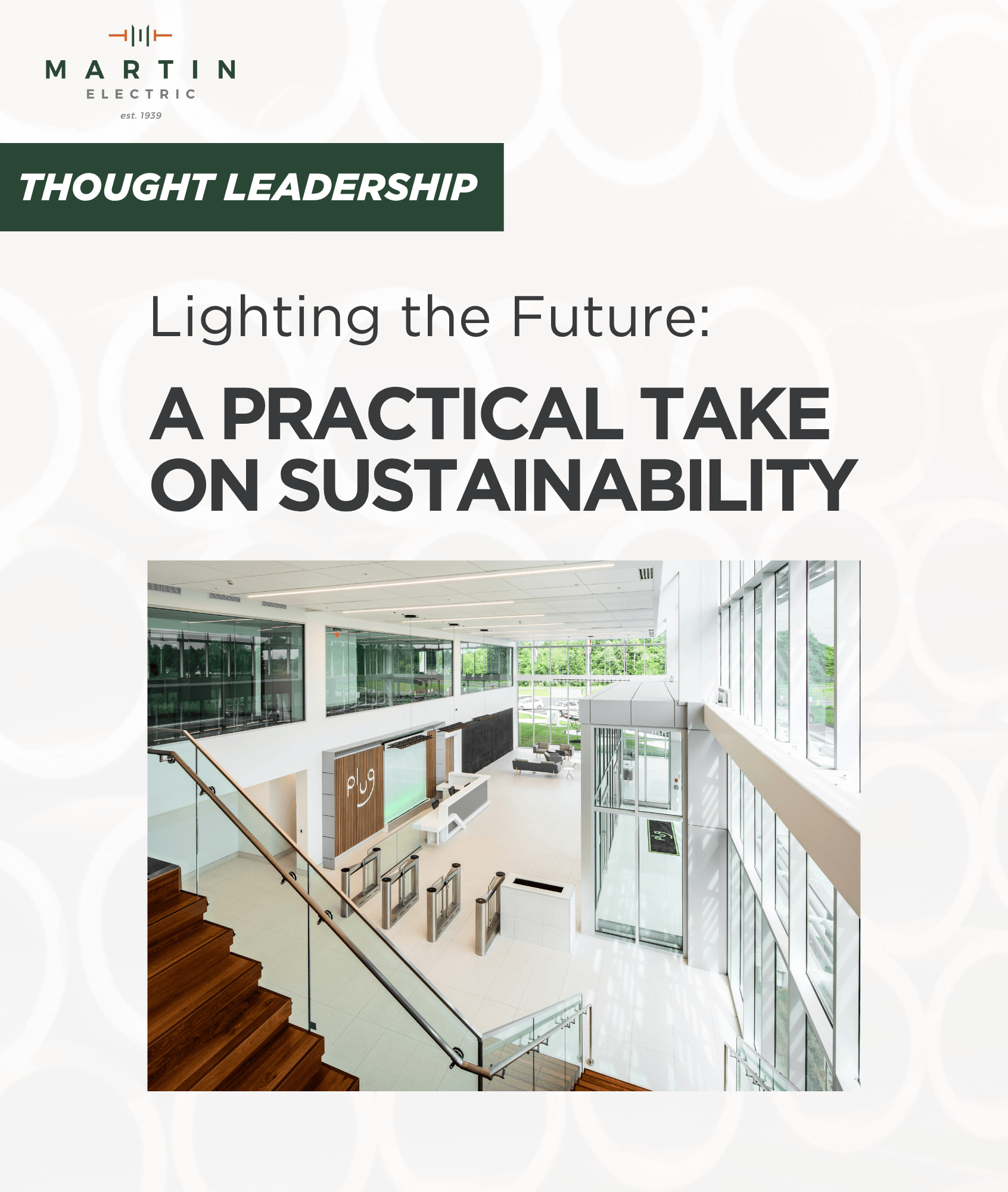
Thought Leadership: A Practical Take on Sustainability

In a world increasingly defined by climate challenges, the way we light our spaces has never mattered more. Sustainability isn't just a buzzword in the electrical industry—it’s a compass guiding us toward smarter, cleaner, and more responsible construction practices. But what actually makes lighting sustainable? And how do we, as electrical professionals, take responsibility for balancing innovation with the real-world demands of commercial, industrial, and life sciences buildings?

The Truth Behind Sustainable Lighting

Sustainable lighting is more than just swapping out bulbs. It’s a system-wide mindset—about using energy smarter, selecting materials that last, and designing systems that reduce environmental impact across their lifecycle. Think LED fixtures, networked lighting controls, and occupancy sensors.

But here’s the truth: sustainability isn’t always plug-and-play. It often gets oversimplified or glamorized—especially in large-scale construction. In practice, the best solutions are not only efficient but also flexible, cost-aware, and occupant-friendly.

The Hidden Costs of “Cheap” Light

On the flip side, inefficient lighting systems still lurk in many buildings. Incandescent bulbs, while inexpensive upfront, burn out quickly and waste energy as heat. Fluorescent bulbs, once seen as a step up, come with their own baggage: hazardous materials like mercury that complicate disposal and recycling. In the bigger picture, these outdated technologies aren’t just bad for the planet—they’re bad for business. Inefficient lighting racks up electricity bills, shortens replacement cycles, and increases long-term operational costs.

A hot topic in New York State: daylight harvesting. On paper, it’s a smart strategy—using sensors and controls to adjust artificial light based on the amount of natural light available. But in reality? It doesn’t always work seamlessly. Occupants often override it by closing blinds. Regions like New York simply don’t get the consistent sunlight needed to make it reliably effective year-round. In life sciences or manufacturing spaces, where light uniformity and precision matter, the inconsistency can actually become a problem. So while daylight harvesting can reduce energy use, its application needs to be strategic. Sometimes, a hybrid approach—with manual overrides, adjustable zoning, and occupant education—is the real sweet spot.

Let’s be honest, sustainable lighting sometimes comes at a cost. The upfront investment in premium fixtures, control systems, or integrated solar can be high. And if the system doesn’t perform as expected, customers can find themselves paying more to bring contractors back for reprogramming or rework. In budget-constrained projects, long-term payback has to be weighed against short-term financial realities.

That doesn’t mean we abandon sustainable options—it means we specify and install them with a realistic lens. Sustainability isn’t about doing everything green—it’s about being smart and strategic, where it counts.

Lighting Automation 

Automated lighting systems offer powerful tools to increase energy savings—motion sensors, timers, daylight-responsive dimming, and full-scale lighting management platforms. But complexity often creeps in fast.

Poorly calibrated sensors cause frustration. Overly aggressive shutoff controls create complaints. And in commercial environments, the cost of reconfiguring automation after occupancy changes can be significant. These systems need to be thoughtfully designed, tested, and maintained—or the gains are lost to inefficiency and user dissatisfaction.

What Works: Smart, Scalable Solutions

In our experience, the most successful sustainable lighting strategies share a few things in common:

  • Scalability – Systems that grow with the building’s use and occupancy patterns.
  • Maintainability – Solutions that don’t require constant callbacks to adjust.
  • Customization – Control systems that are tailored to actual user behavior, not idealized models.
  • Redundancy – In mission-critical spaces like labs or healthcare, lighting must support both efficiency and

Whether it’s integrating solar where it actually pencils out, using daylight where it truly helps, or employing sensors that don’t just save energy but enhance the user experience, these practical choices make sustainability real—and functional.

Keeping Up with Change

The pace of change in sustainable construction is rapid—and that’s a good thing. But staying ahead doesn’t mean blindly adopting every new technology. It means applying critical thinking, engaging with new tools thoughtfully, and prioritizing value for clients.

Organizations like USGBC, DOE, and IES continue to provide guidance and resources—but what’s more important is learning how to translate that guidance into something buildable, maintainable, and cost-effective on real jobsites.

The Road Ahead

As an electrical contractor in the commercial, industrial, and life sciences spaces, we don't just wire buildings—we are responsible for critical constructability decisions and sometimes the most sustainable decision is the one that actually works.

At the end of the day, the future of lighting is about more than going green. It’s about designing smart systems that perform under pressure, respect the budget, and support the people who use them. Sustainability should be lived, not just labeled—and that’s the future we’re building toward.

Thought Leadership 24

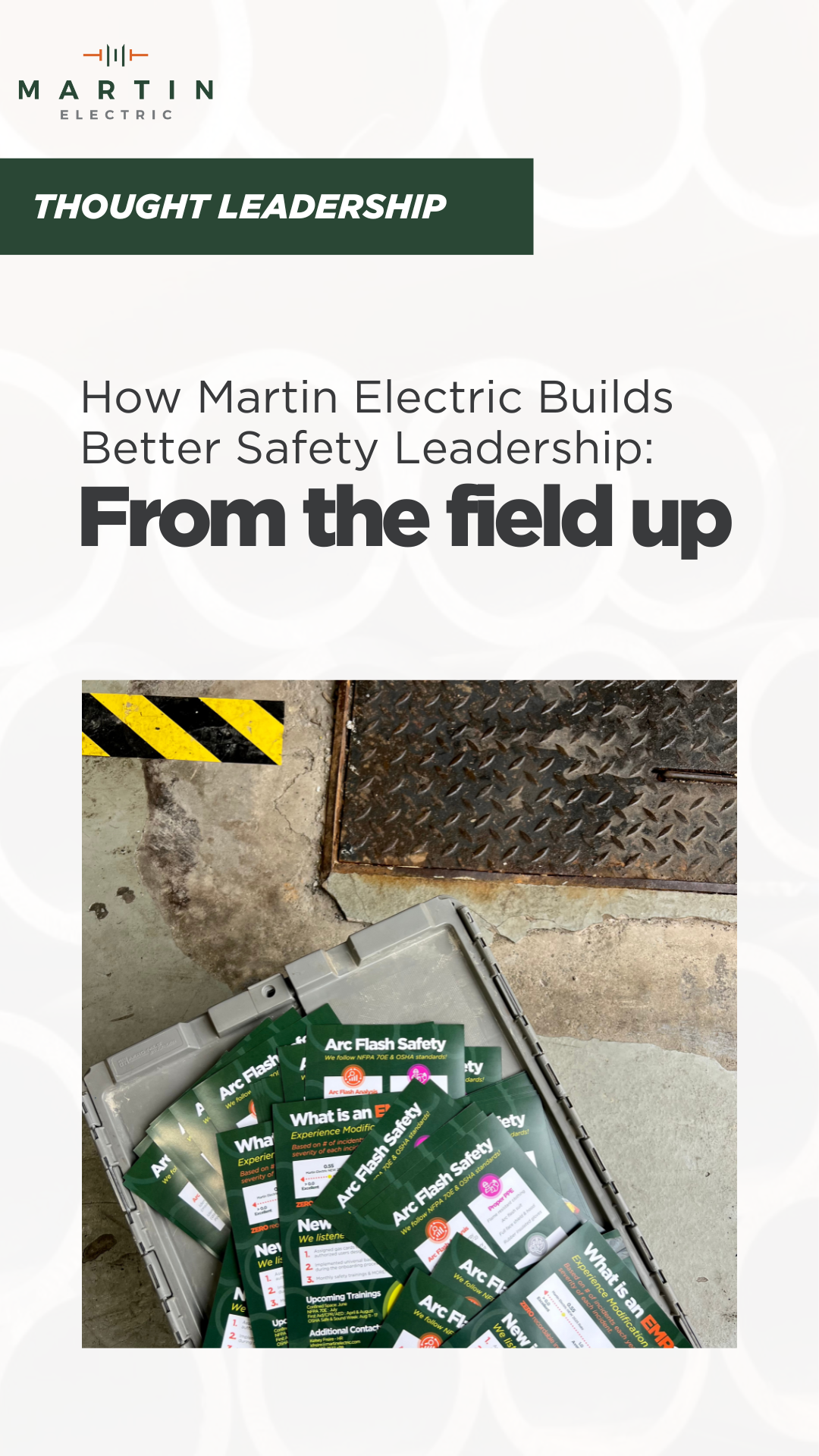
Thought Leadership: How Martin Electric Builds Better Safety Leadership

From the Field Up

At Martin Electric, we believe that safety goes far beyond a list of rules and regulations. It’s a mindset, a culture, and a team effort that requires everyone to work together toward a common goal. Think of safety as a sport, where each team member has a unique role to play in achieving success. Whether you’re on the field or in our office, communication, collaboration, and a shared commitment to safety are key.

That’s why when we look for a safety manager, we don’t want just another “safety guy” who’s there to call the shots and push paperwork. We want someone who takes on the role of a coach — someone who guides, supports, and empowers the team, ensuring that everyone has the tools, knowledge, and resources they need to stay safe while performing the work.

But we didn’t just assume the right fit for the role – we went to the source!

Here are the Top 3 stereotypes that are field identified as “just another safety guy”:

#1 The Paperwork Pusher

While documentation and compliance are essential parts of a safety manager’s role, field employees are quick to point out that safety isn't just about forms and checklists. A safety manager who spends all day with their nose in a binder—without engaging with crews or addressing on-the-ground concerns—misses the bigger picture. The team wants someone who is proactive, present, and hands-on, not someone who simply checks boxes. A successful safety leader balances paperwork with real-time problem-solving and builds trust by being actively involved in daily operations.

“If all you’re doing is chasing signatures and filling out forms, you’re not helping us stay safe—you’re just adding distraction. We want someone who is also taking action.”

#2 Lacking Practical Knowledge and Experience

Field teams value real-world experience. When a safety manager doesn't understand the nature of the work—whether it’s due to limited field exposure or a strictly academic background—it can lead to unrealistic expectations or impractical safety protocols. Crews are more likely to follow guidance from someone who’s “been there” and understands the job from their point of view. Hiring a safety manager with genuine trade experience fosters mutual respect and ensures that safety strategies are both effective and feasible.

“If you’ve never had to do this work, how can you tell us the safe way to do it? When someone has no practical field experience, their safety advice can come off unrealistic or dangerous.”

#3 Constantly Playing Defense

A reactive approach to safety—only stepping in when there’s a problem—does little to build a strong safety culture. Field employees emphasized the importance of hiring someone who’s proactive, visible, and engaged in prevention, not just response. A good safety manager doesn't wait for an incident to act; they help anticipate risks and implement improvements before issues arise. The best candidates are those who make safety part of the daily conversation, not just an afterthought.

“We don’t need someone who only shows up after something goes wrong. A real safety leader is out here helping us spot things before they become a problem. They’re not just reacting—they’re teaching, checking in, and looking ahead.”

To learn more about what are field thinks makes a great safety manager, check out this video!

Hiring the right safety manager means looking beyond the resume. It’s about finding someone who understands both the importance of compliance and the value of real-world experience. Most importantly, it’s about hiring someone who will collaborate with the field, not hover over it. Our teams are ready to work safely, they just need a leader who’s ready to work with them.

Here is what our Human Resources Director, Kelsey Freire, considers when hiring for a Safety position:

Safety is a Team Effort, NOT a Dictatorship.

“In any successful sport, the best teams are led by coaches who don’t just stand on the sidelines shouting orders. The same goes for our safety managers. We don’t need someone acting as a dictator who simply enforces rules without taking the time to engage with the team. The core of our company is our field team. They are the ones making things happen, facing the challenges and risks head-on. We need a leader who actively engages with the team, builds relationships, and ensures that safety is embedded in everything we do.”

Correcting Actions, Not Just Pointing Fingers.

“A safety manager shouldn’t always be playing defense, waiting for mistakes to happen. That reactive approach does not build a strong safety culture. Instead, a great safety manager is proactive, anticipating risks and stepping in before problems arise. Their job is to ensure that the entire team is well equipped to stay safe and perform their best. At Martin Electric, we are deeply committed to ensuring that every member of our team returns home safely to their family and friends at the end of each day. Their safety is and will always be our top priority!”

Hiring From Within: A Strategy That Works.

"At Martin Electric, we’ve found that the most effective way to hire a Safety Manager is to train and promote from within our field team. These individuals bring firsthand experience with the work we do every day, having spent years on the job alongside their teammates. That kind of insight can’t be taught in a classroom, it comes from being in the manholes. By growing our safety leadership internally, we ensure our Safety Managers understand both the technical side of the job and the culture of our crews already having their trust. We've learned that hiring someone without an electrical or construction background often leads to a disconnect between safety policies and real-world application. Promoting from within keeps our safety program practical, respected, and rooted in experience."

We don’t just want to follow safety rules — we want to live them, and we do that by empowering the people who know our work best. What makes a good Safety Manager in your organization?

Insta Stories Blog Link 10

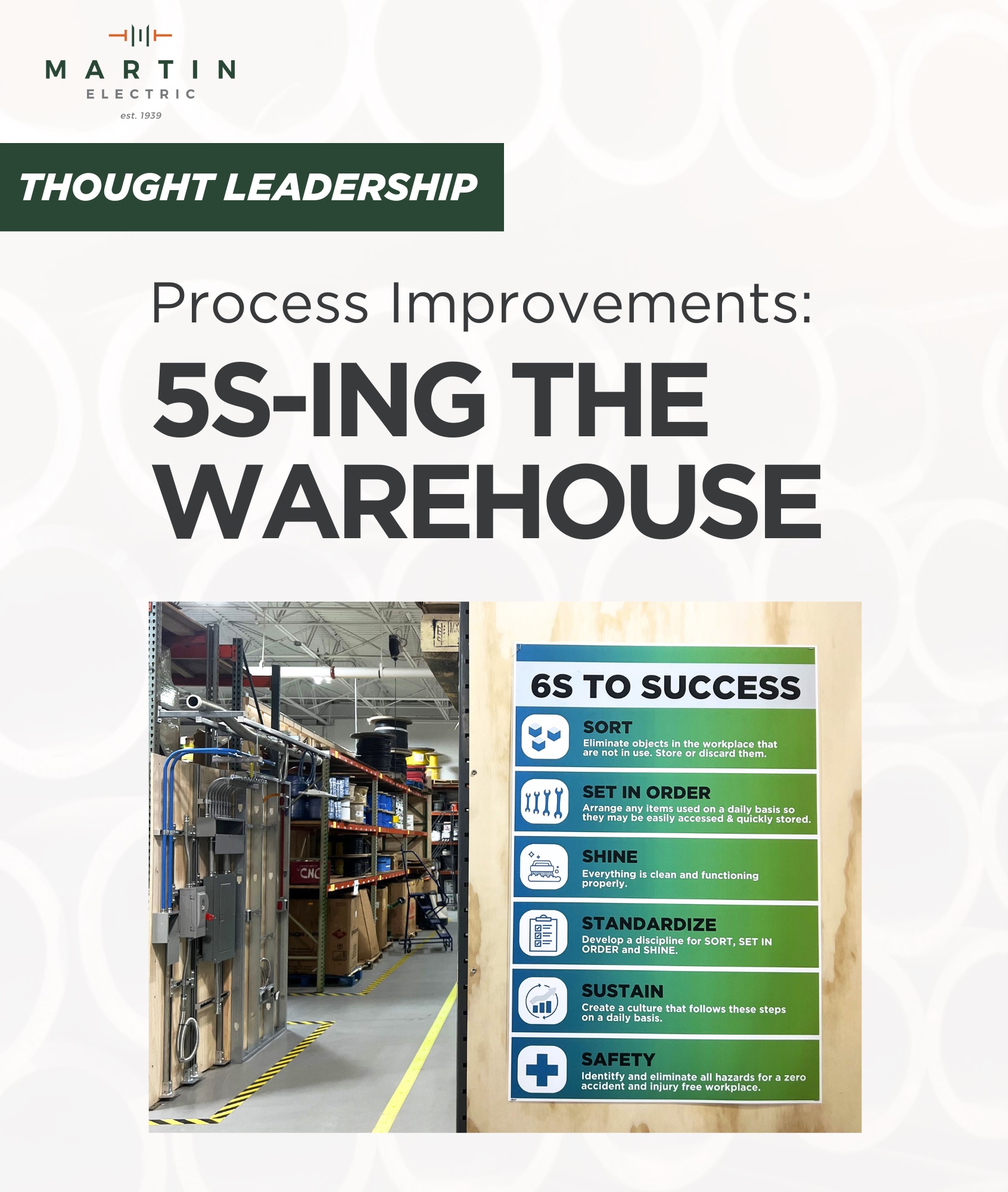
Thought Leadership: How We 5s'd Our Warehouse

Free Rent! 5S

Having been in business for 85 years, our warehouse had accumulated an enormous amount of material and as a fiscally conservative company, throwing away even a $.02 wire nut, was traditionally out of the question but we were in a growth cycle and needed more space. So, the question was – do we lease more space which would cost us a significant amount additional per year or leverage our lean thinking and create space in our existing warehouse utilizing the 5S method?

5S is a system to reduce waste and optimize productivity through maintaining an orderly workplace and using visual cues to achieve a more consistent operational result.

With a project Champion ready to take on the challenge, we began implementing the 5S system into our warehouse operations. 

Sort

The 5s process started with “red tagging” all items that were no longer necessary for our production operations. These items were then either disposed of, recycled, or resold. This process allowed us to increase our available square footage without having to rent more space – having the opposite effect, gaining financial profit from this process.

Pro Tip: If the receptable dates back to 1942, get rid of it!

Set

Once only the necessary items remained, our efforts were focused on warehouse mapping. We had our CAD Drafter develop a warehouse map and labeling system we put in process for the racking. The objective here is to set items in place, from there, being able to set in order all of our items. There are different ways to “set” your warehouse space – by type, color, size, brand, etc. This step of the process is meant to improve efficiency and stress for the worker by knowing where every item is stored in close proximity to the workspace.

What Set process works for you? We chose to organize by size.

Shine

With the clutter gone, we could now do a deep cleaning of the workspace and establish guidelines for continued maintenance and cleaning of our shop (ex: Garbage taken out at the end of every day and floors mopped at the end of every Friday). While these sound minor, it makes a big difference in not only the workspace but in the mentality.

Motto: A cluttered workspace yields a cluttered mind.

Standardize

To standardize means to create a method for maintaining the first 3 steps (Sort, Set, Shine) and to create a consistent approach with which tasks and procedures are done (ex: Who are we assigning responsibility for Sort, Set, Shine, how often is it to be done, etc.). This was then all documented in a Standard Operating Procedure that continues to be a working document as we are constantly enhancing the process.

Motto #2: SOPS, SOPS, SOPS!

Sustain

Arguably, this is the most difficult step. It is human nature to revert to your comfort zone, but there is no growth in one’s comfort zone. Sustainability takes intentional practice every day until it becomes cemented behavior.

AKA: Creating good habits.

+Safety

As contractors, much of our attention and dedication surrounds safety, but often it is instead focused on field operations. We acknowledged this throughout the 5S process and made some easy but significant changes to our shop practices.

Safety changes made to everyday shop practices:

  1. “Nothing hits the floor” - Policy to prevent trip & falls.
  2. “Ladders last” – Policy that, by increasing our aisle spacing, allows for the use of stair towers or forklifts.
  3. Securing our material racking to the floor to prevent “struck by or between” incidents.
  4. Mandatory PPE requirements for all shop workers & visitors.

Although we have dedicated the last year to implementing this 5S system to our warehouse operations, the work is never done. The key takeaway here is the importance of continual improvement – requiring daily attention and that “sustain” mentality. It’s all part of the process.

Thought Leadership 5

Thought Leadership: Innovation Through AI

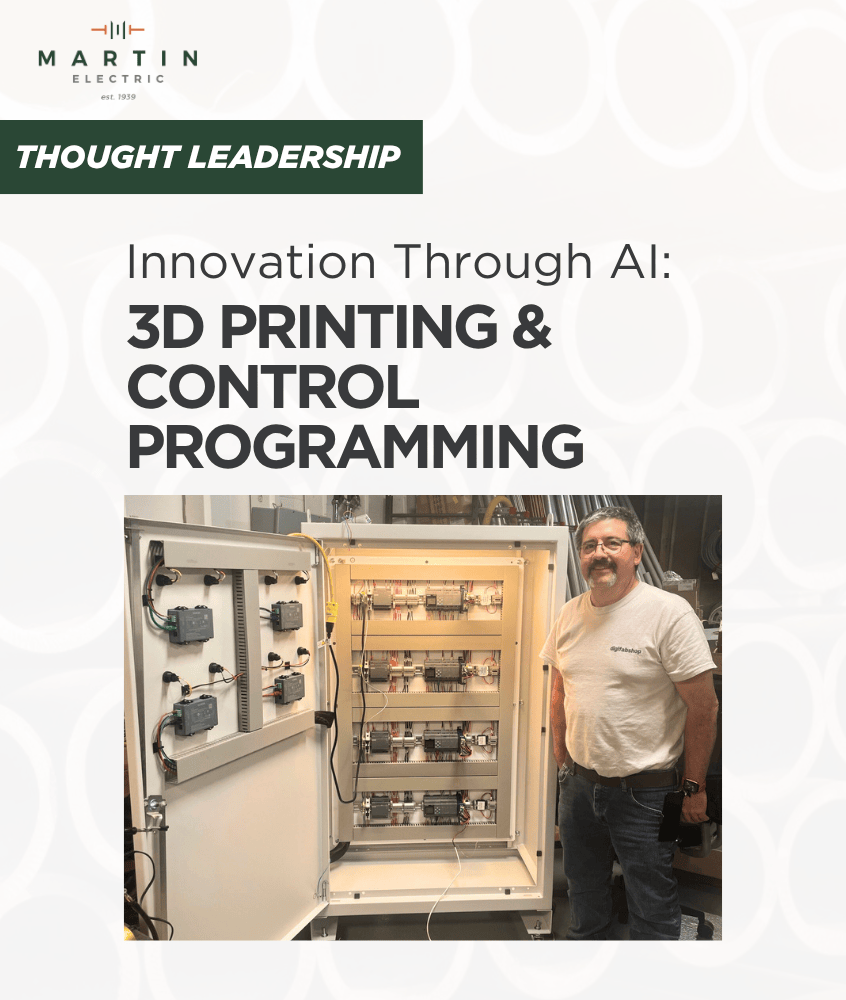
Innovation Through AI: 3D Printing & Control Programming

“While construction firms can do little about evolving tariff and trade policies, they do have options to deal with the high attrition rates and labor shortages in construction and design that only compound the problem. In the built environment, AI can slash time spent on repetitive tasks, improve management and material efficiency, augment design teams and improve productivity.” – Forbes, Solving Construction’s Labor Shortages with AI.

In the construction world, change tends to arrive in steel-toed boots. It’s slow, it’s skeptical—and often for good reason. But at Martin Electric, we’ve seen firsthand what happens when innovation isn’t top-down—it’s hands-on. And no one embodies that better than Fred Warden, our project manager and resident innovator.

Some people think 33 years of experience would make you rigid, but Fred doesn’t just embrace new technology—he plays with it, tests it, breaks it, and finds ways to use it in the field where it matters most. Over the last few years, he’s turned his personal passion for AI and 3D printing into a set of practical tools that are transforming how we deliver work for clients.

Built for Builders: AI in the Office

AI is helping us accelerate—not replace—key planning tasks. Here’s what that looks like in practice:

  • Blueprint Pre-Markups:Fred uses AI to generate initial electrical drawing markups before they even hit Procore. The result? Faster review cycles and more time spent refining, not redlining.
  • Spec Comparisons: Fred has helped other project engineers to implement AI into their practices where it works. One project engineer uses it to compare schematic design (SD) and design development (DD) specs, flagging late-stage changes.
  • Contract Abstracts: We’ve recently created a contract abstract for a client using AI—automating the time-consuming review process and making sure the critical details were front and center.
  • Controller Coding: On a recent project, Fred used AI to write a control system for two A.O. Smith commercial water heaters, operating from a single Honeywell aquastat and managed by a Siemens LOGO! controller. After AI built the backbone, Fred fine-tuned the logic himself—adding safety interlocks, lead/lag alternation, pump run-on timers, and a full diagnostics display.

AI handles repetitive structured tasks, Fred layers on experience, The result is a hybrid AI-human design.

What have we found works best? Although not specifically built for construction, we have found Claude AI to be a great platform for our use. 

3D Printing: Custom Components On Demand

Where we’ve seen the biggest impact from 3D printing is in the building phase—particularly with control panels and fixture mounting. Before, we relied on off-the-shelf parts or manual fabrication for brackets, jigs, spacers, and clips. That meant delays, rework, and inconsistency.

Now? We have the ability to design and print exactly what we need:

  • Custom Jigs to speed up and standardize installation in the field
  • Precision Spacers to mount components at exact distances, eliminating guess work and rework
  • Specialty Brackets and Clips for a cleaner, more reliable fixture mounting
  • Control Panel Components built to spec in-house, reducing lead time and improving quality

We're no longer waiting for shipments or modifying stock parts—we're building smarter, faster, and with more control over the end result.

Lessons Learned from Fred

What makes this work isn’t just the tools. It’s the people who use them. Fred’s interests in AI and 3D printing didn’t start as a company initiative. It started because he wanted to solve problems better. We gave him the space and freedom to experiment. He didn’t wait for someone to tell him what AI was good for. He figured it out. Then he shared what he learned.

Here are three takeaways we’ve learned from watching him work:

  1. Start with the pain point—not the product.Fred didn’t start with “we should use AI.” He started with “how can I speed up blueprint prep or control logic?” That’s where innovation lives.
  2. Tools amplify talent.AI and 3D printing don’t replace skilled tradespeople—they elevate them. It’s not automation vs. electricians. It’s electricians + smarter tools.
  3. Build what you need.When you can create custom components on demand, you remove layers of inefficiency. You get better results—and fewer surprises.

We believe the next generation of construction will be defined by intelligent building: smarter planning, custom components, and tighter integration between engineering and execution. Thanks to innovators like Fred Warden, we’re not waiting for the industry to catch up - we’re already there.

Curious where to start? Don’t wait for a mandate. Start small. Find one recurring frustration. Try a new tool. See what changes.

July Thought Leadership Graphic 1024 KB