BCSU Podcast: Empowering People and Communities with Kendra Hart
Listen to Kendra on the Blue Collar Startup Podcast here!
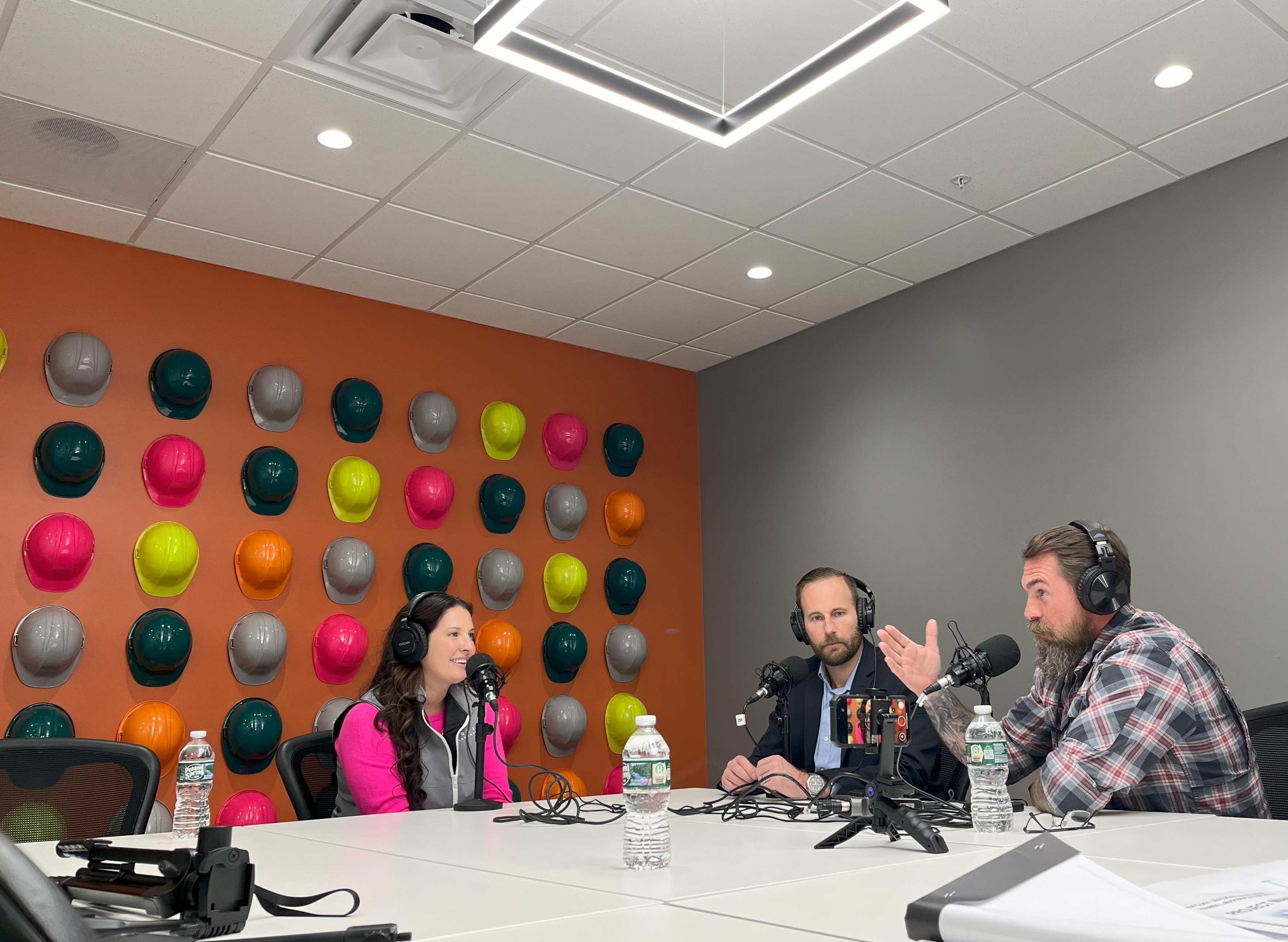
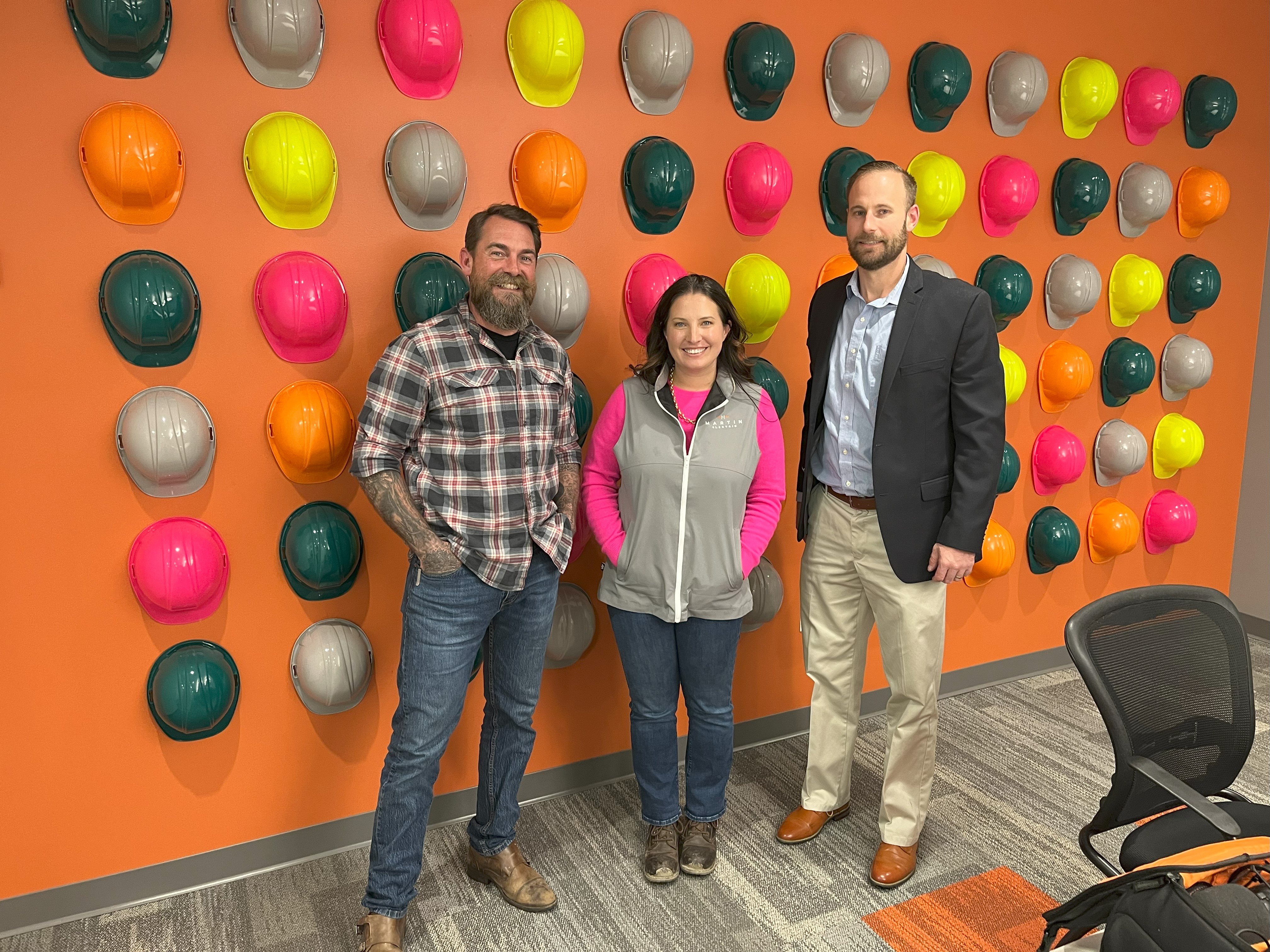
Listen to Kendra on the Blue Collar Startup Podcast here!
Investing in What’s Next for Control Network
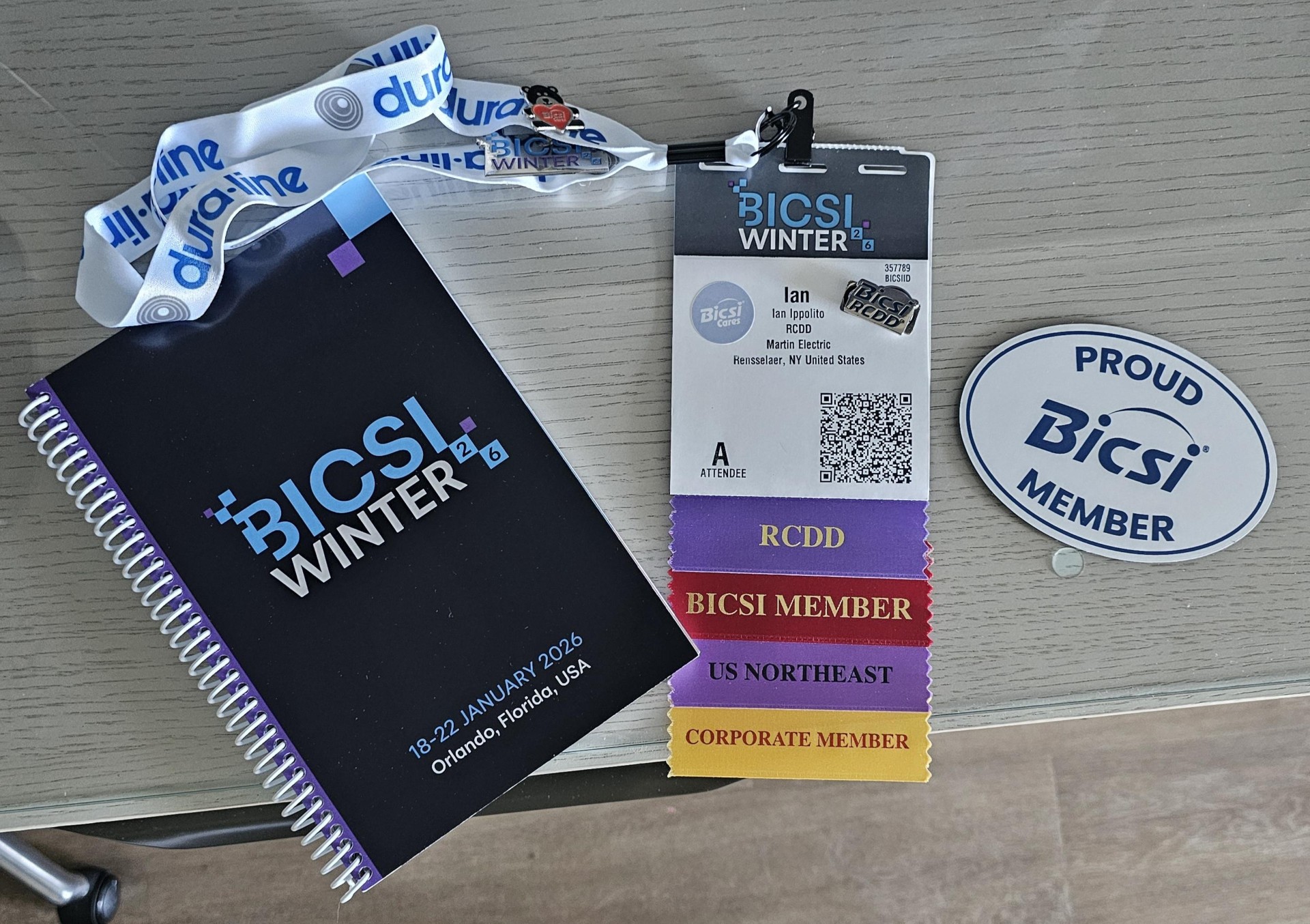
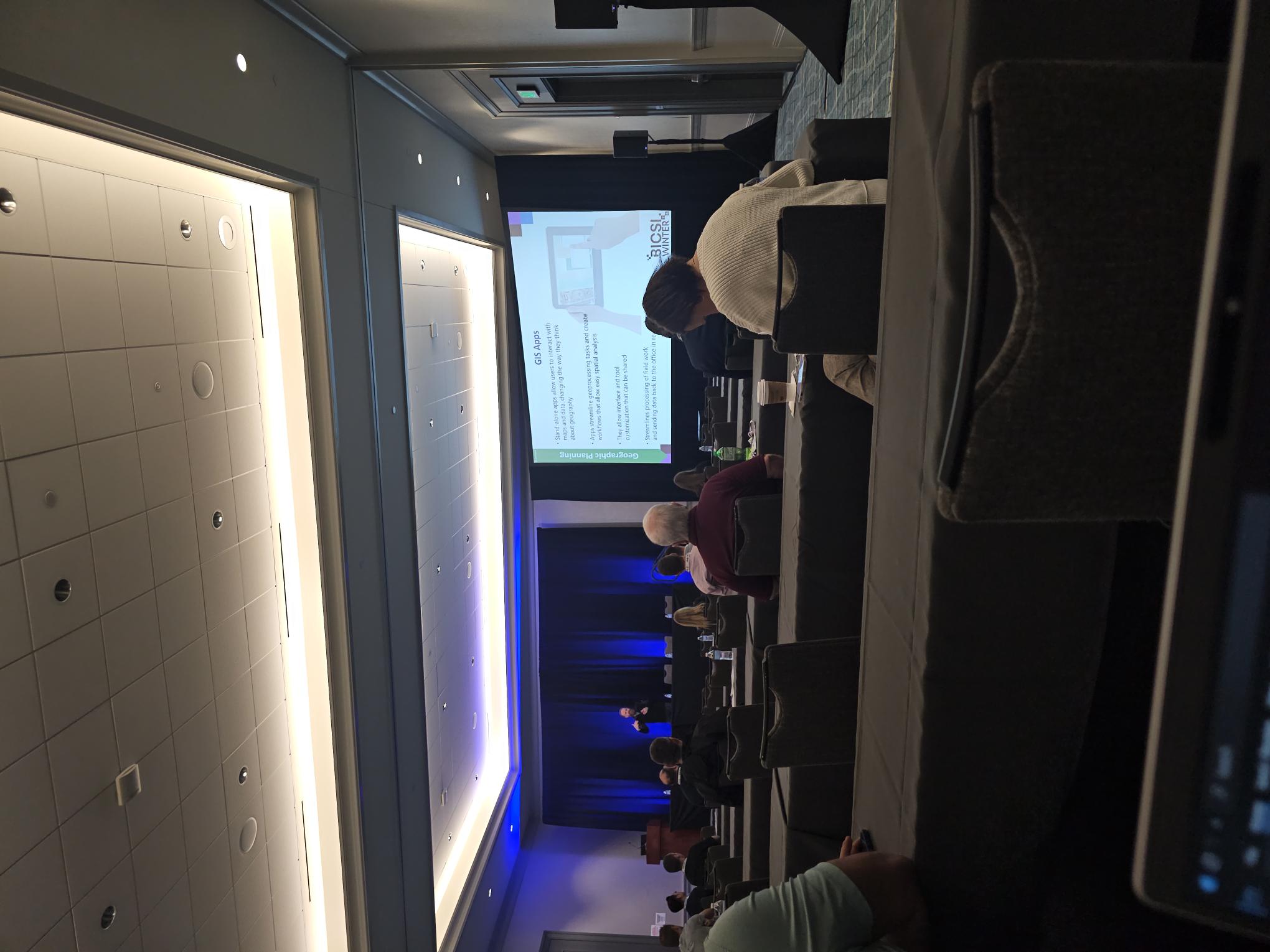
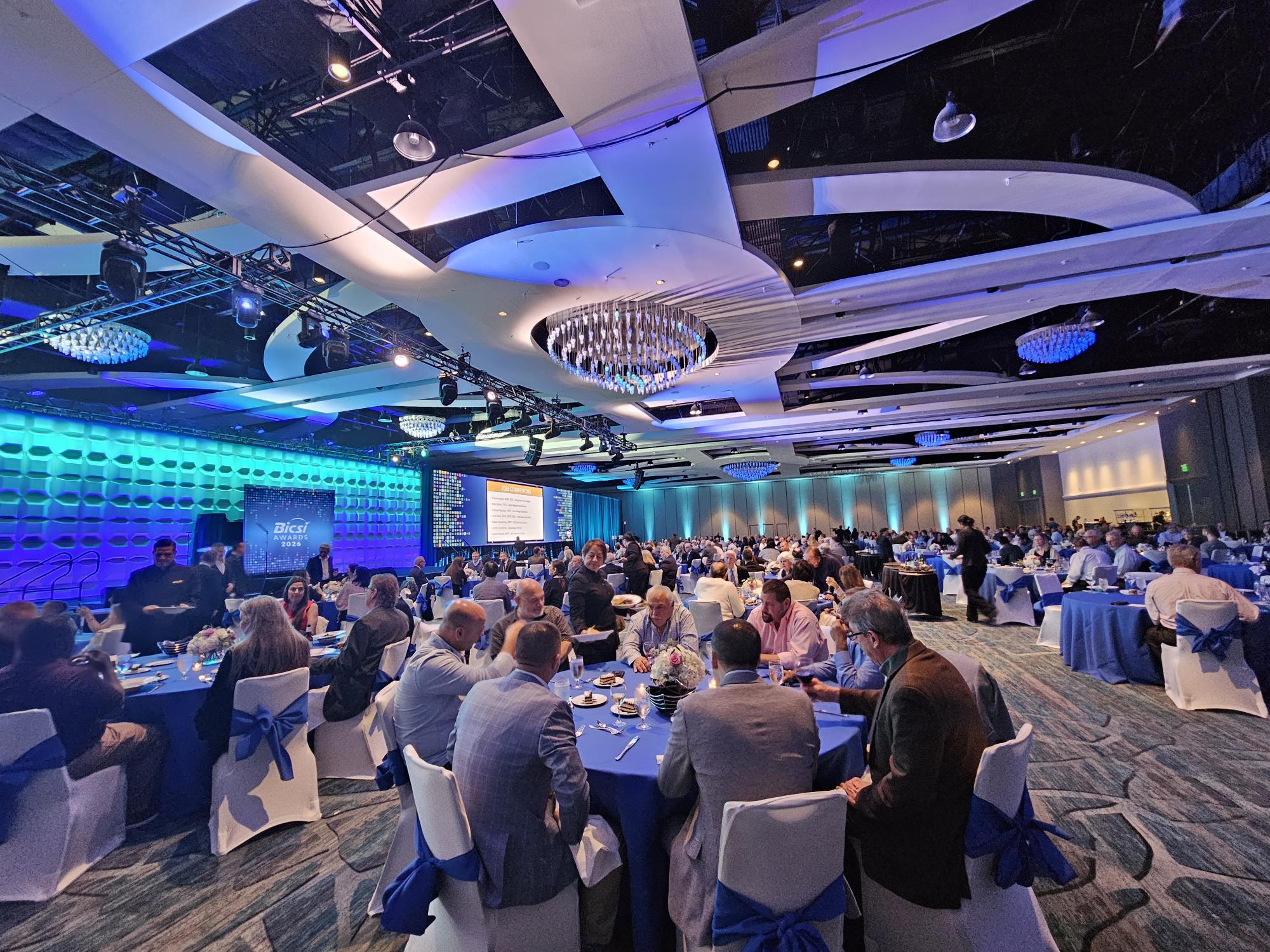
This past month, Martin Electric continued its investment in professional development by sending Steve Rinkewich, CNC Project Executive / RCDD Certified Designer, and Ian Ippolito, Martin Electric Telecommunications Division Manager / RCDD Certified Designer, to the BICSI Winter Conference 2026 in Florida.
The conference brought together global leaders in information and communications technology (ICT) to focus less on where the market is headed, and more on how infrastructure is being designed, installed, and supported differently. For our low-voltage division, Control Network (CNC), the value was clear: practical insight that directly impacts how we plan, coordinate, and execute work in mission-critical environments.
Here are the key takeaways Steve and Ian brought back from the field:
Data Centers Are Doubling… Fast!
The U.S. is projected to double its data center footprint by 2030. The big question isn’t just where they’ll be built, it’s how they’ll be powered. Microgrids are emerging as a critical solution - delivering efficiency, resiliency, and control for energy-hungry facilities.
Multiple sessions and manufacturer conversations focused on:
For Control Network, this evolution plays directly to our strengths Our teams bring deep experience in data center design, high-density cabling, and cooling system redesigns, allowing us to support facilities that must be built faster, denser, and with far less margin for error.
AI Is Inevitable
The message was clear from both Steve and Ian: don’t ignore AI. At BICSI Winter 2026, the focus shifted from why AI matters to what it demands from installers. As AI workloads increase, facilities are seeing:
Fiber Constraints Are Real and Measurable
One of the most consistent and actionable takeaways from the conference was fiber procurement risk. Steve and Ian consistently heard that:
This reinforces the importance of our emphasis on early planning and strong vendor relationships.
DC Power Is Gaining Momentum
Low-voltage DC power solutions were highlighted as a way to do more with less with systems utilizing as little as 16-gauge wire. Extended distances, improved safety, and efficiency gains make it a technology with huge potential across next-generation facilities.
Cooling Is the New Bottleneck
As computing density increases, the ability to remove heat efficiently is emerging as a system-level limitation.
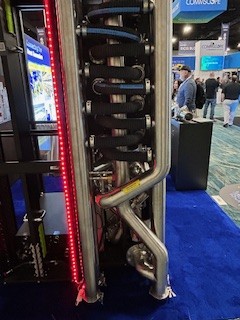
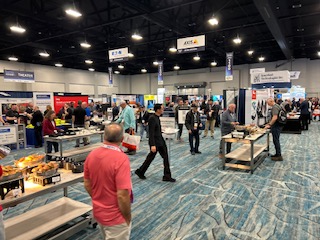
One standout example from the show floor showcased an NVIDIA-backed AI cooling system pumping 450 gallons per minute to cool just 10 data racks. This is a clear illustration that power, cooling, and ICT infrastructure must now be planned together, not in isolation.
What This Means for Control Network
We know that AI and Data Centers are here to stay, that’s not new news, but there is an importance to understanding how these trends are changing installation practices.
These insights reinforce why Control Network approaches data center infrastructure as a complete, integrated system, not a collection of isolated scopes. With the expertise of Martin Electric and Control Network combined; spanning electrical systems, medium voltage, UPS and battery systems, fiber, testing and commissioning, and integrated cooling design, our teams are equipped to deliver smarter, more coordinated solutions.
This depth of knowledge positions Control Network ahead of the market and as a valued contributor to the future of ICT infrastructure.
October is Careers in Construction Month, a time to recognize and celebrate the vital roles within the construction industry. As a leading commercial and industrial electrical contractor in the Capital Region, we pride ourselves on our skilled workforce, composed of dedicated professionals committed to excellence.
This month we chose a few of our employees to tell you about the different roles that they play in construction:
The journey of any project begins with our Estimator. This role is crucial for assessing project costs, materials, and labor needs. By analyzing drawings and specifications, our estimators provide detailed proposals that guide our projects from the very beginning. Their expertise not only ensures competitive pricing but also helps our clients understand the value and scope of our services.
Pat, Senior Estimator at Martin Electric, went into more detail about our design-assist capabilities and the proven successes of those projects (Plug Power). This is a key differentiator that Pat excels in, allowing us to create a more collaborative experience for the customer.
Once a project is underway, the Project Manager steps in to oversee operations. This role involves coordinating between clients, subcontractors, and our internal teams to ensure that projects are completed on time and within budget.
Kyle, Project Manager at Martin Electric, talked about the hybrid environment that a Project Manager can have in their role. Kyle has the unique ability to see projects on paper and in person. He, and our other Project Managers, are the conduit for communication between the office, warehouse, and field, becoming a key role for a well-run project, especially the high-profile pharmaceutical manufacturing projects that Kyle is most familiar with here at Martin Electric.
Behind every successful project is a well-organized supply chain. Our Purchasing Manager plays a vital role in sourcing high-quality materials and equipment. By maintaining strong relationships with suppliers and negotiating favorable terms, they ensure that our team has everything they need to deliver top-notch electrical solutions. Their strategic thinking and logistical expertise help us maintain efficiency and cost-effectiveness.
Dave, Purchasing Manager at Martin Electric, highlighted two key themes to his success: Organization & Relationships. Dave chatted about his warehousing systems that generate top of the line efficiency and cost-effectiveness. He also went into detail about his close vendor relationships which allowed Martin Electric to shorten long lead times during the pandemic and still during periods of supply chain shortages.
Material Delivery and Warehousing is crucial to keeping projects on schedule. This role ensures that all materials are stored, managed, and delivered to job sites on time. By keeping track of inventory and managing deliveries, they play a key role in minimizing downtime and ensuring that our electricians have the tools they need to succeed.
Angel walked us through his day to day as he made a few pickups from vendors and deliveries to the field. He went into more detail about the road to get here and how this position is a great place to get started in a career in construction. As a 20-year-old with just one year at Martin Electric, he has been able to significantly increase his knowledge of the industry and learn lifelong trades that he can use in his everyday life.
On the job site, our General Foreman leads the charge. Responsible for supervising electricians and ensuring that work is performed safely and efficiently. They are the team leaders who ensure that projects meet quality standards. With extensive hands-on experience and leadership skills, our foremen foster a collaborative environment, mentoring apprentices and ensuring that every member of the team is set up for success. Foremen are expected to foster team comradery, creating a more efficient working environment as a result of the crew’s familiarity with each other.
Tim, General Foreman at Martin Electric, has a cool story about his journey to his current role. Tim started as a warehouse employee when he was fresh out of high school. The experience he got from this role led to a change in his career path from the normal four-year college route to applying for the IBEW’s electrical apprenticeship program. As a Union Electrician, Tim had the unique experience of working for Martin Electric for the entirety of his career, sharing his gratitude for Martin Electric’s ability to help him grow his knowledge and investing their time in him.
Finally, our Electrical Apprentices represent the future of the industry. These aspiring electricians work alongside experienced professionals to gain hands-on experience and learn the trade. Through a combination of classroom education and on-the-job training, they develop the skills necessary to excel in their careers. We are proud to invest in the next generation of electricians, ensuring that our industry continues to thrive.
Josh, a Third-Year Apprentice at Martin Electric, took a later approach to his career in construction, starting out as a college graduate leading to his first career in law enforcement. Josh is now a Third-Year Apprentice with a well-compensating job that includes all the proper schooling provided by the IBEW and continual training from Martin Electric.
Our people are the conduit to our success. This Careers in Construction Month, we celebrate each team member who makes our projects possible. Learn more about these six employees by watching their videos on our LinkedIn @martin-electric and Instagram @martinelectric_1939.
Let's think outside the box here 🌍 What if the future of our workforce was shaped by the best ideas from around the world!
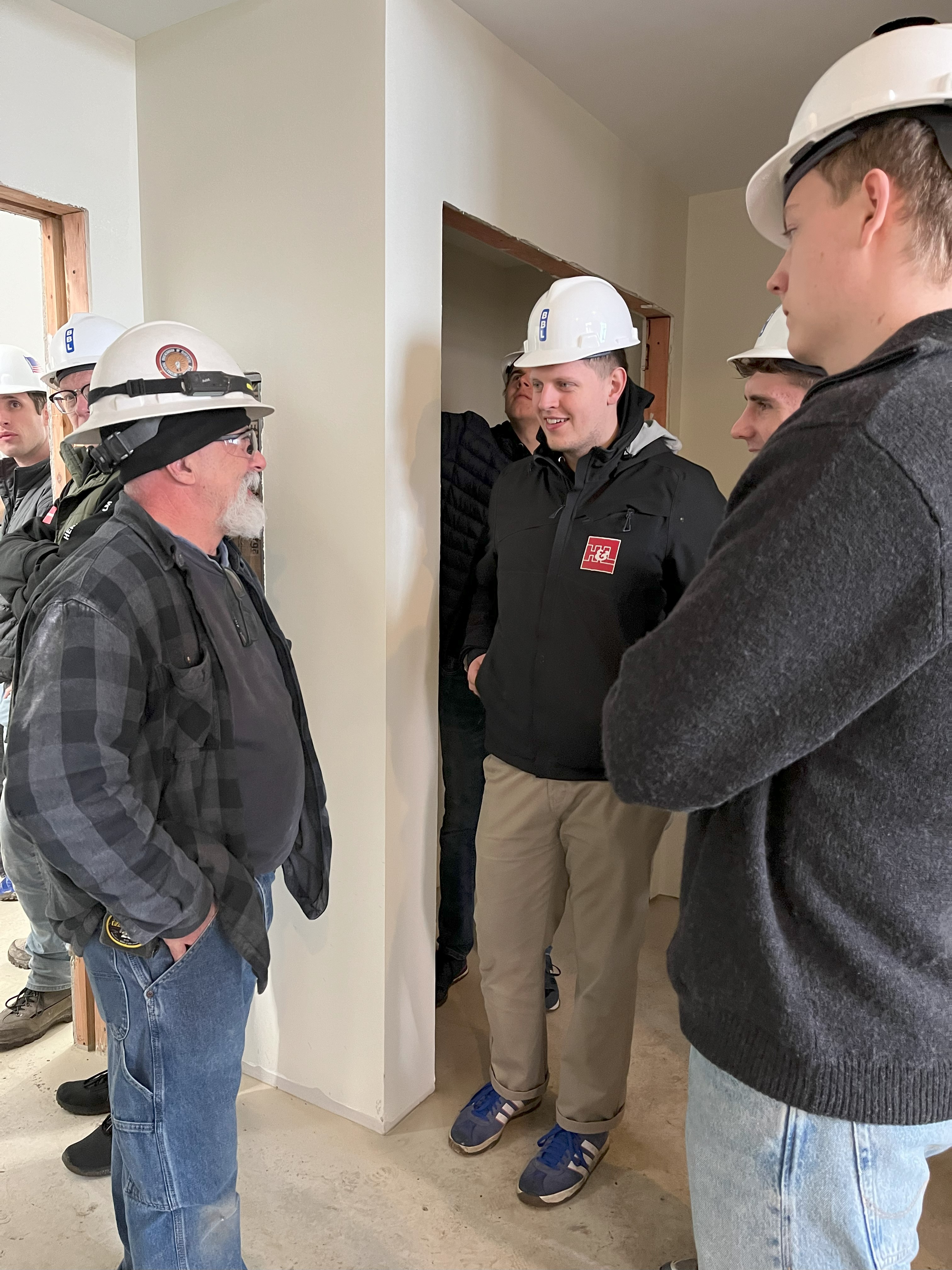
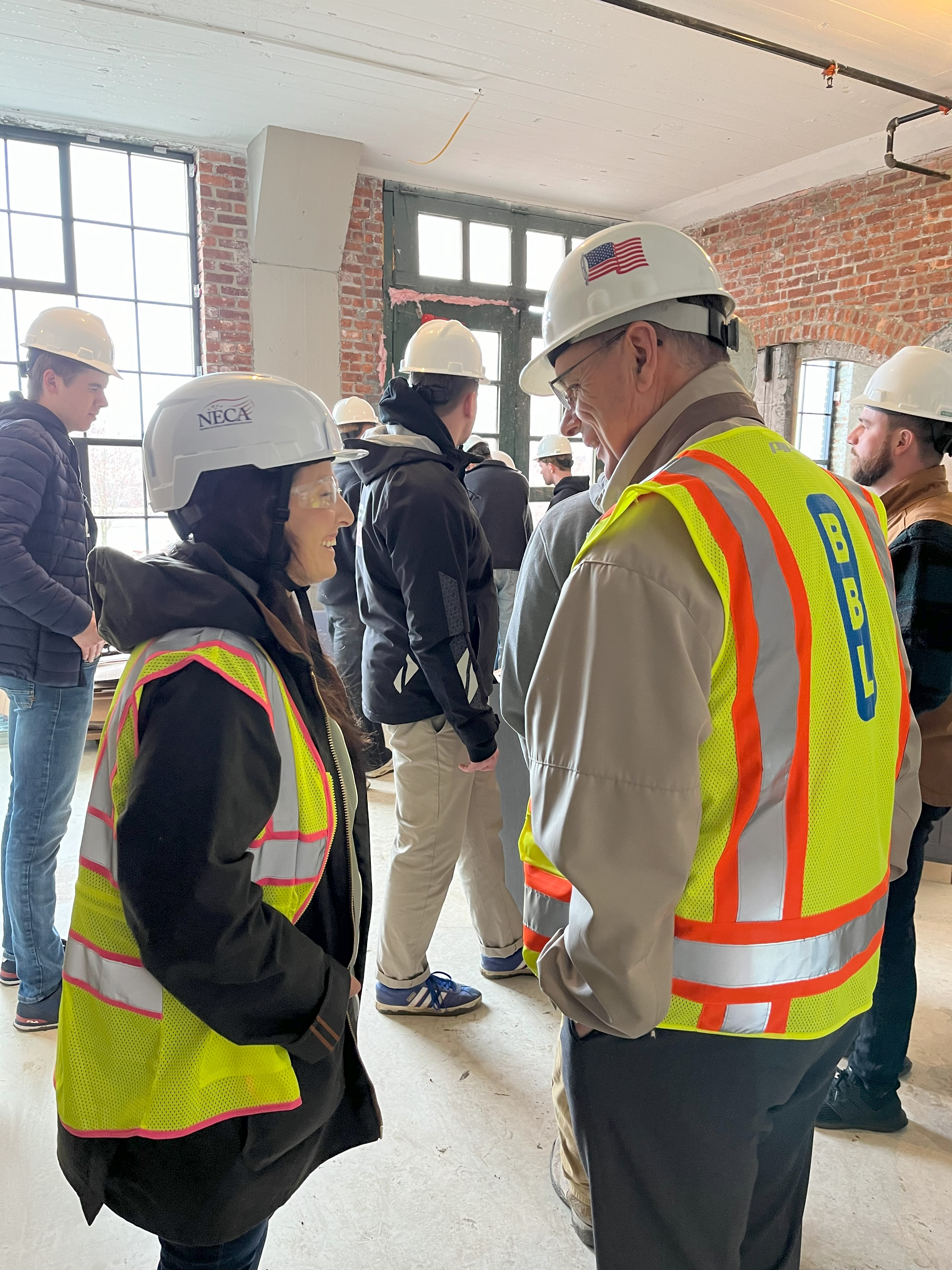
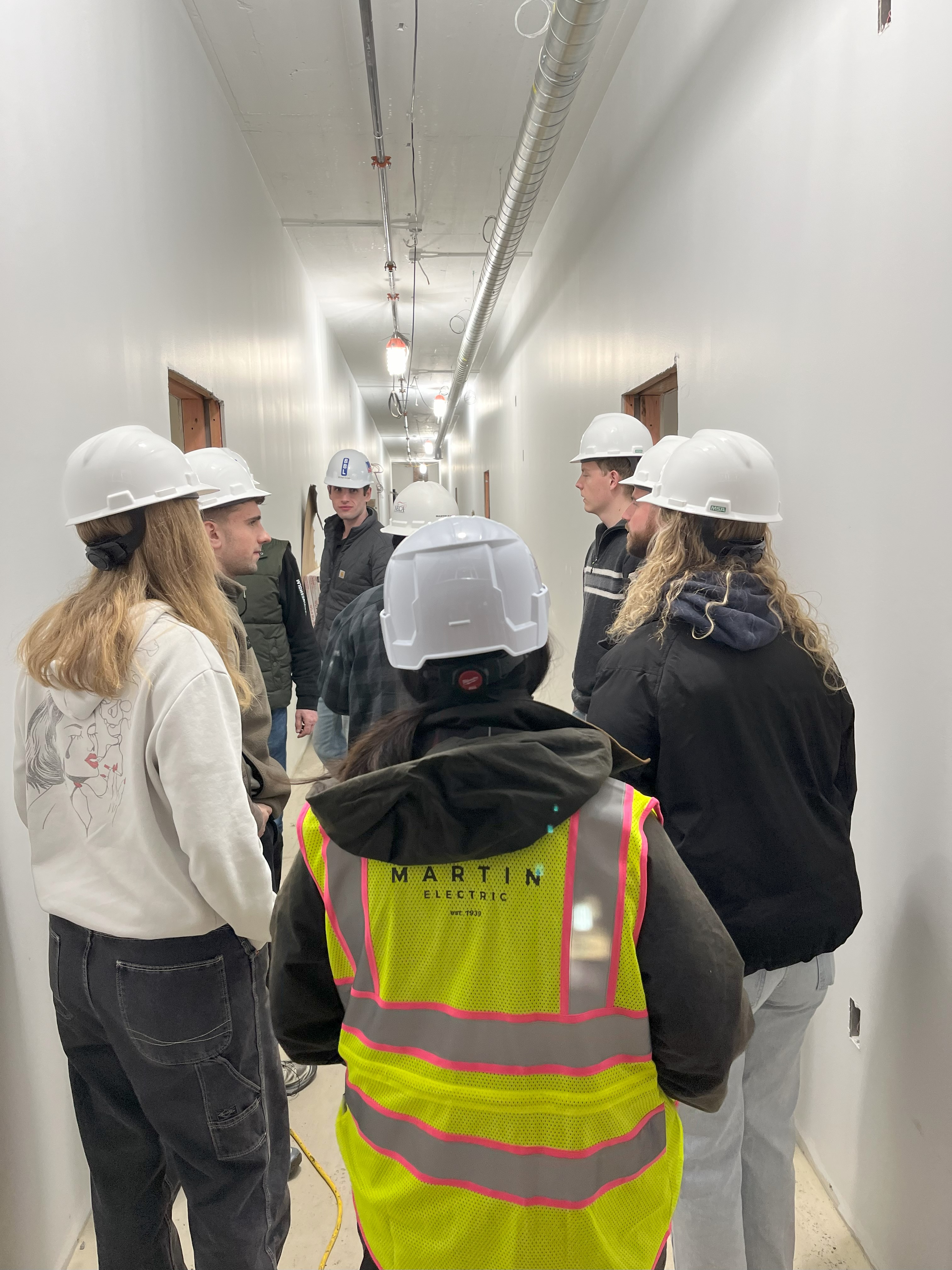
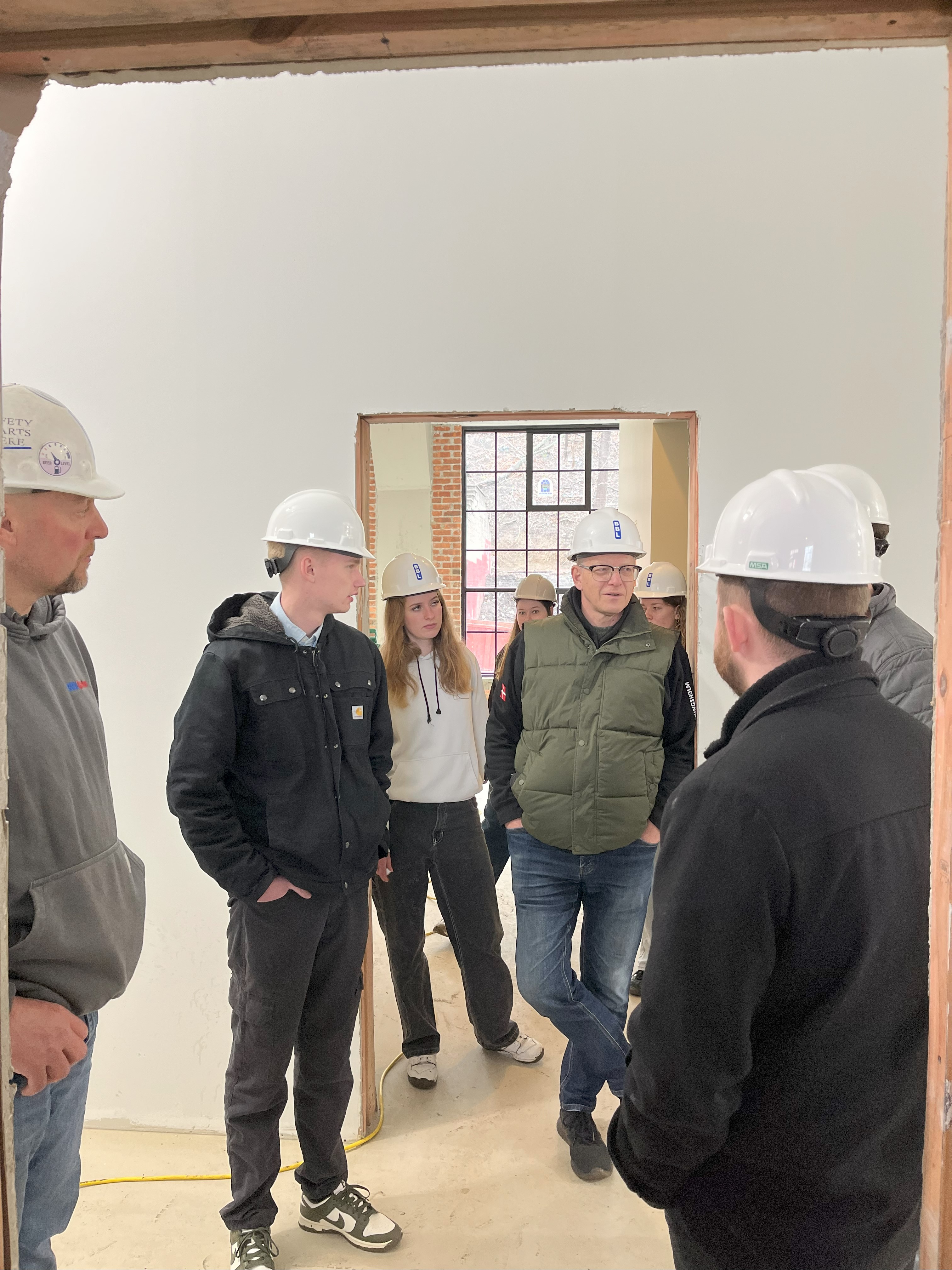
Martin Electric and HVCC have teamed up again—this time not just to host, but to learn. Inspired by Denmark’s progressive approach to vocational education, we explored how to bring elements of the Danish curriculum into our apprenticeship programs right here in New York State. During a tour of the Barnet Mills jobsite, where Martin Electric and BBL Construction are revitalizing the historic Shotty Mills in Rensselaer, the conversation turned from tools to transformation.
As the workforce evolves, so must the way we prepare it. One big question came up during a recent international exchange that’s hard to ignore: Are our apprenticeship programs doing enough to prepare well-rounded tradespeople—or are we pigeonholing students into narrowly defined roles?
That question was front and center when Martin Electric and Hudson Valley Community College (HVCC) teamed up to host vocational students from Denmark’s Herningsholm Vocational College (HVC). But this wasn’t just a tour—it was a learning experience for everyone involved, and a chance to reflect on how we structure apprenticeship training in New York State.
Unlike many U.S. programs, Denmark’s vocational education system offers students comprehensive exposure to installation, design, project planning, modeling, and estimating—all before graduation. They don’t just teach how to do the work, but why and how to plan it. That’s a big contrast to many American apprenticeships, where students often begin as installers and grow into other roles over time, usually on the job.
On the Ground at Barnet Mills
The Danish carpentry students visited the Barnet Mills jobsite in Rensselaer, where Martin Electric and BBL Construction are working on a 72-unit reconstruction project. After a site tour led by Ryan Eute (BBL Construction) and Tom Carnevale (Martin Electric), students met with Martin Electric President Kendra Hart, who spoke about the growing demand in the Capital Region’s construction industry—and how training programs must evolve to keep pace.
The visit wrapped up with a roundtable discussion covering:
Tech, Trades & Training: A Global Comparison
Danish students were particularly interested in how U.S. companies use technology like BIM, CAD, and digital modeling. Martin Electric and BBL explained how these tools help streamline material planning and troubleshoot issues before work begins. Meanwhile, the HVC students shared how digital tools are integrated into their training from the start—giving them a head start on high-tech job sites.
Changing the Narrative Around Trades
Another key conversation: how skilled trades are viewed in society. In Denmark, students often choose vocational paths straight out of middle school—and it’s seen as a respected, first-choice career. In the U.S., that perception is still catching up. Partnerships like this help shift the narrative by showing the value, complexity, and innovation in today’s trades.
The Cultural Exchange Experience at HVCC
Hudson Valley Community College (HVCC) continues to strengthen its international partnership with Herningsholm Vocational College (HVC) of Denmark. In spring 2025, HVCC proudly welcomed its fifth delegation of HVC students to New York’s Capital Region as part of an ongoing cultural exchange program focused on workforce development in the skilled trades.
This year’s visiting group includes 11 vocational students training to become carpenters and joiners. During their stay, they’re taking part in on-campus learning experiences, peer-to-peer collaboration, and field visits with local employers, including jobsite tours hosted by industry leaders like Martin Electric and BBL Construction.
These immersive experiences are designed to provide the students with a real-world view of the U.S. construction industry—complementing their classroom learning and broadening their understanding of how the trades function globally.
Takeaway: Cross-cultural programs like this one not only expand students’ perspectives, but also help local employers connect with global best practices and inspire a new generation of skilled tradespeople.
What Do You Think?
Is it time to rethink how we train apprentices in the U.S.?
Are our apprenticeship programs doing enough to prepare well-rounded tradespeople—or are we pigeonholing students into narrowly defined roles? Should we follow Denmark’s lead and offer a more holistic, tech-forward approach that includes design, estimating, and project management from the start?
We’d love to hear from other contractors, educators, and students—what are you seeing in your region? Contact
It was an insightful and engaging morning particpating as a panelist at 3rd Annual Future of Workforce Readiness: Education & Business Partnership hosted by the Rensselaer County Regional Chamber of Commerce which brought educators and business leaders together in a unique and important discussion on how we can better equip our students with the skill sets businesses are looking for, focusing specifically on the need for soft skills.
Exciting news! Martin Electric has acquired Control Network (CNC), Our long-time collaborator renowned for its excellence in IT infrastructure, design, and deployment throughout the Capital Region and beyond.
Since 1981, Control Network Communications has offered a one-stop-shop for all IT communication and data needs, ensuring security, efficiency, and reliability, which has cemented their position as leaders and trusted partners in the Capital Region and beyond. As a subsidiary of Martin Electric, CNC is building a future where their combined strengths and shared values will grow their already established dedication to staying at the forefront of emerging trends and technologies. For years, CNC has established itself as a leader in fiber optic cable, wireless and data networks, network security, IP telephony, security surveillance, access control, and asset recovery. This acquisition is a great opportunity for us to enhance our service offerings and deepen our commitment to providing comprehensive electrical solutions in the Capital Region.
“Beyond the strong portfolio and impressive client service that CNC brings to the table, we find ourselves most excited about the real heart and soul of what makes CNC exceptional - their people. It is the skillful craftsmen, the unwavering dedication to quality workmanship, the passion for innovation, and the pursuit of perfection that truly represent the most valuable assets joining our team. Many CNC team members have been with the company since its inception, embodying a sense of loyalty and a commitment to excellence that resonates profoundly with our own values at Martin Electric.” (Kendra Hart, President)
Stefan Strait and Steve Rinkewich have been long time collaborators with Kendra Hart and Martin Electric. The relationship that the three of them have built created an inevitable connection in the workspace fostering many successful collaborative projects such as Plug Power and Rensselaer County Buildings. Their knowledge and expertise of the low voltage space has already brought such insight to the Martin Electric crew. Beyond that, they are a perfect fit into the culture that is Martin Electric.
As natural as it could have been, Martin Electric and CNC decided after working together for 30 years that the two companies with the same core values should continue their growth together. In integrating CNC into the Martin Electric family, we are not just expanding our capabilities or extending our market presence; we are cultivating an environment for professional growth, collaborative success, and technological advancement. Together, we are better positioned than ever to serve our community, meeting today’s needs while steering towards a bright and electrifying future.
We are confident that this transition will be seamless for our clients, as we continue to focus on delivering superior service without interruption. Your ongoing projects are in steady hands, empowered by the combined strengths of Martin Electric and Control Network.
I want to extend my deepest gratitude to every team member, client, and partner who has been part of our respective journeys so far. Without your support, trust, and hard work, this momentous occasion would not be possible.
More to come as we welcome Stefan Strait, Steve Rinkewich, and the entire CNC team to our family!
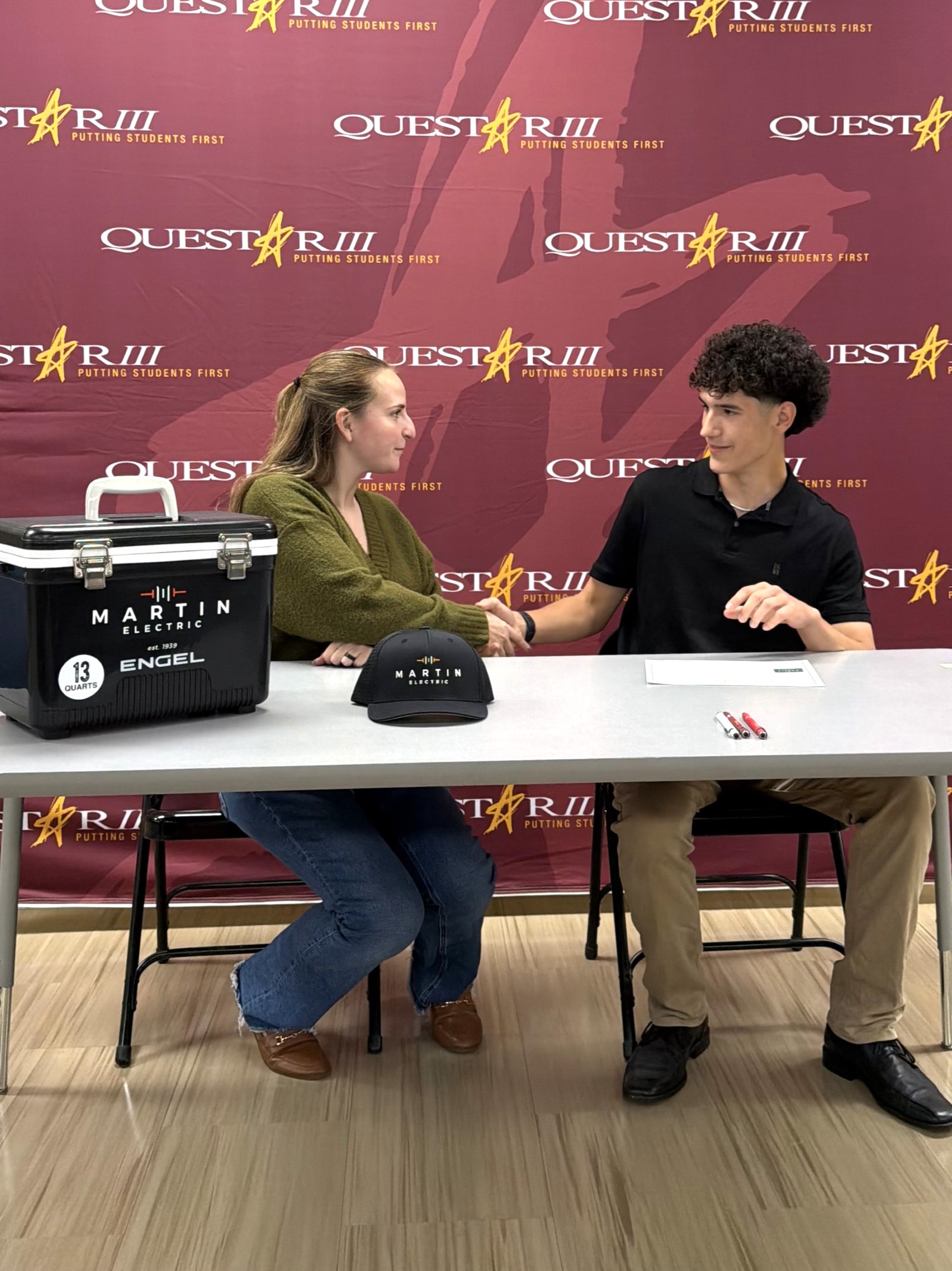
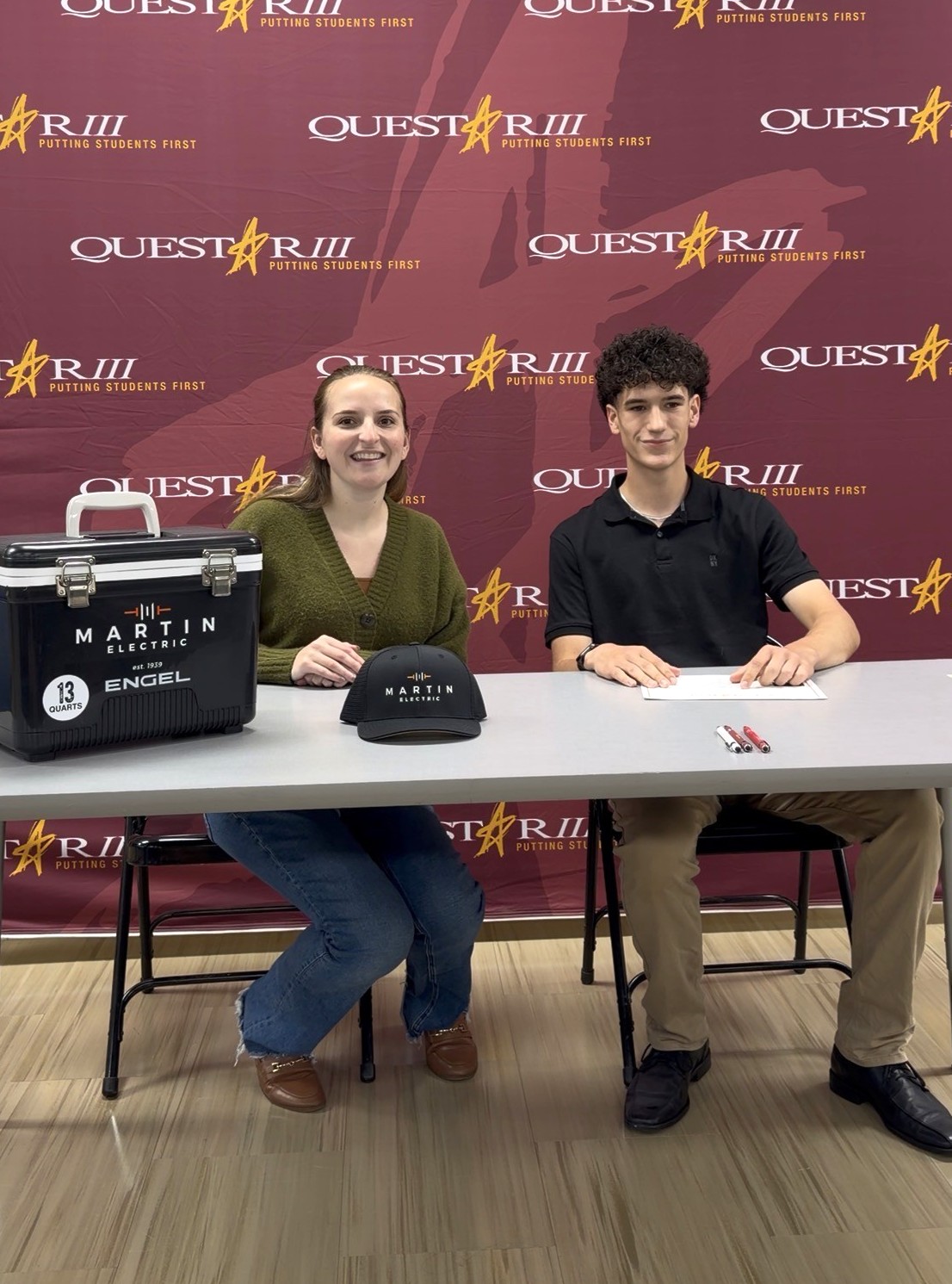
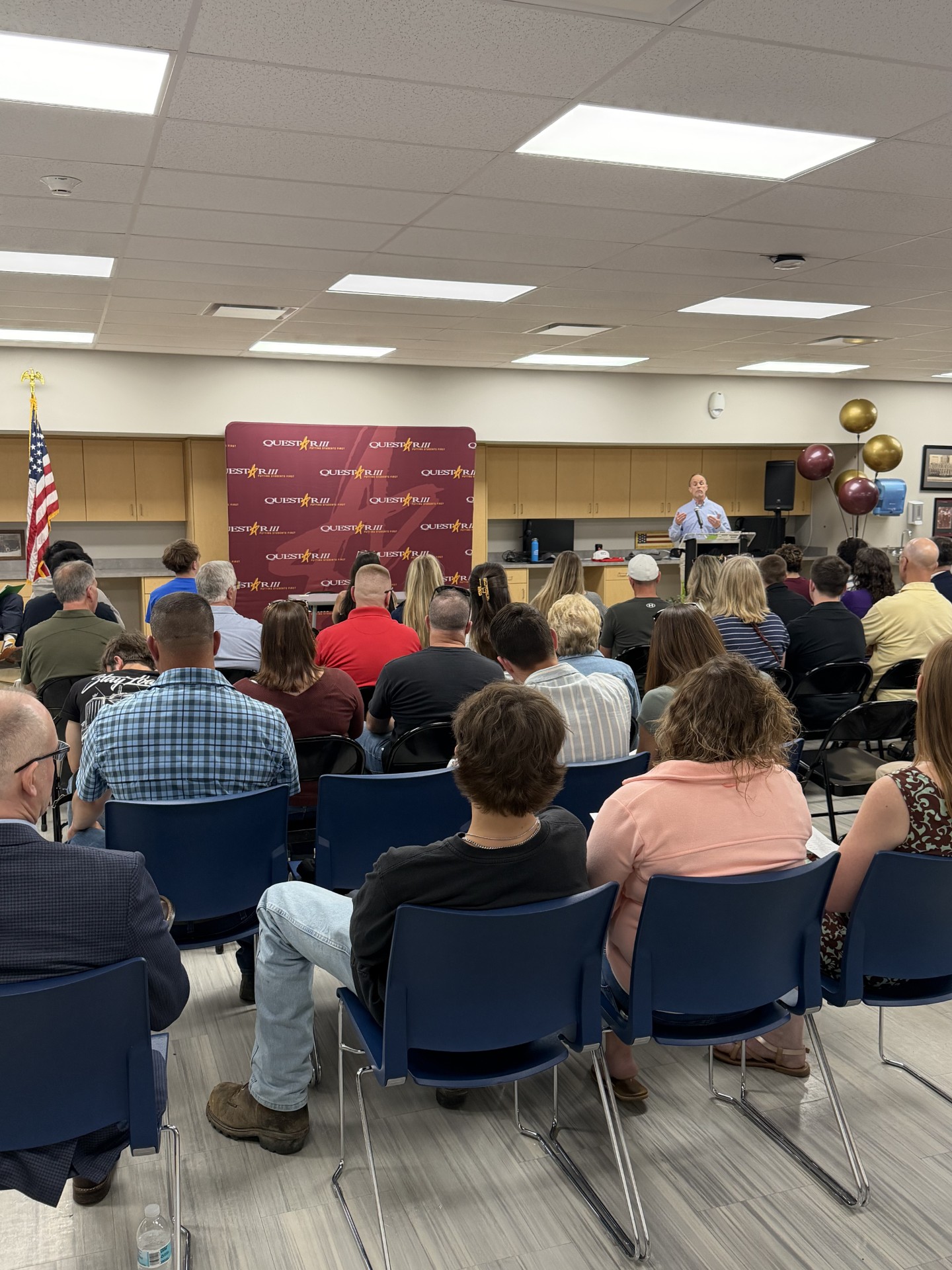
Martin Electric recently participated in Questar III’s Youth Apprenticeship signing day, officially welcoming Owen Valenchis as a 2026 Summer Intern.
The Questar III Youth Apprenticeship Program is designed to create a structured bridge between students exploring career opportunities and employers that participate in New York State registered apprenticeship programs. The program helps students gain real-world experience while earning educational credit, requiring a minimum of 200 hours during the summer internship period. We hope this experience further strengthens Owen’s interest in the electrical trades while giving him a better understanding of the opportunities available through the IBEW's JATC apprenticeship program.
Owen will spend the summer working alongside Martin Electric’s warehouse and field support teams where he will gain firsthand exposure to the electrical construction industry from the ground up.
Throughout the internship, Owen will assist with picking and packing material orders for active jobsites, organizing inventory, preparing deliveries, and shadowing material runs to projects throughout the region. The goal is to provide practical exposure to how projects are built, how materials move through the construction process, and how different teams work together to keep jobs operating efficiently.
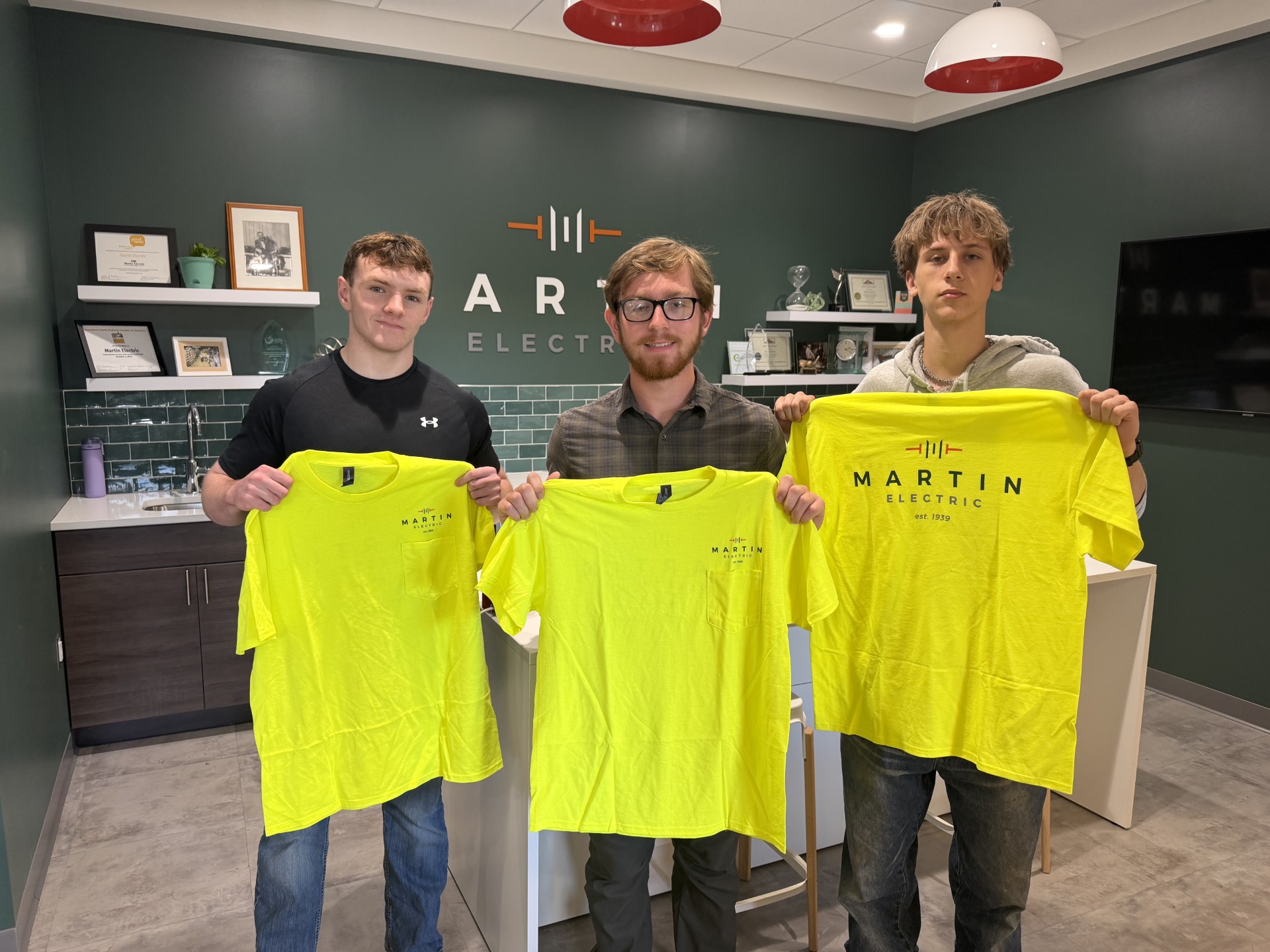
As part of the signing day celebration, Martin Electric welcomed Owen with company apparel and gear to help him get ready for the summer ahead.
Workforce development continues to be a major focus for Martin Electric as the company works to support the next generation entering the skilled trades. Through partnerships with schools, apprenticeship programs, and organizations like Questar III, Martin Electric remains committed to creating opportunities for students to gain hands-on experience and explore long-term careers in the electrical industry.
See our Careers page for more information on internship opportunities here!
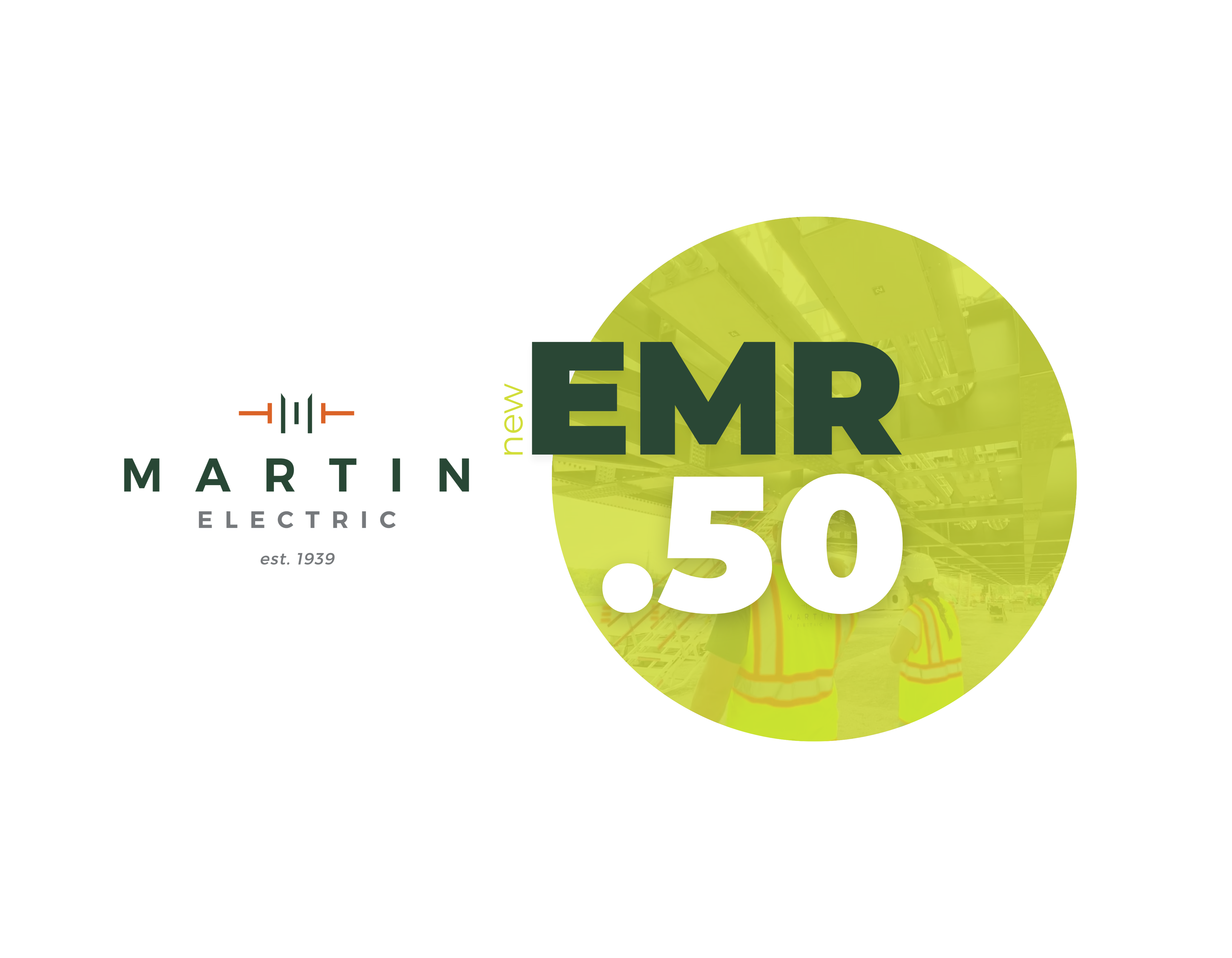
Every year, our EMR rating is updated based on the last completed calendar year. This year, Martin Electric’s EMR moved from0.55 to 0.50; continuing a steady improvement from 0.57 to 0.55 to 0.50 over the past few years.
For those outside of construction and insurance, EMR (Experience Modification Rate) is a score that compares a contractor’s workers’ compensation claims history to the industry average.
1.0 is average. Below 1.0 means better-than-average safety performance. This is a rare example of “the lower the number, the better”.
For general contractors and construction managers, EMR isn’t just an insurance number, it’s a risk indicator. A lower EMR typically means:
EMR is calculated using a rolling three-year history, which means improvement doesn’t happen by accident and it doesn’t happen quickly. It comes from consistent training, planning, supervision, and crews who look out for each other on site.
We’re proud of the number, but more importantly, we understand what the number represents: people going home safe and projects running the way they’re supposed to.
Our construction peers may be asking – how did we get our EMR that low?If you want to improve your EMR, the biggest things that move the needle are:
A good EMR doesn’t come from one big initiative. It comes from a lot of small decisions made the right way, over and over again, for a long time.
Safety is measurable. And it shows up in the work.
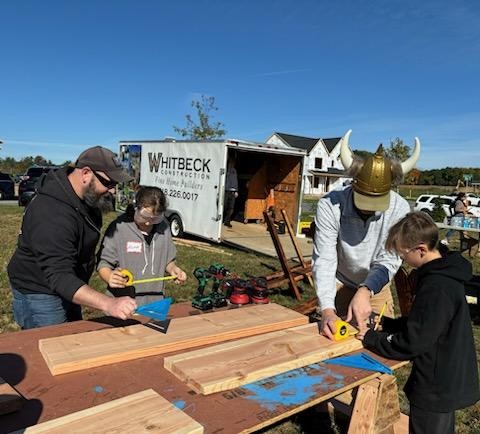
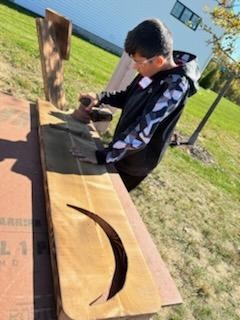
This past weekend, the Northeast Construction Trades Workforce Coalition, in partnership with Saratoga Builders Showcase of Homes, organized a Viking Chair Build targeted for middle school students. There were students from eight different schools branching as far as Wallington, CT. This FREE activity was a huge hit, teaching the students how to build and decorate their own Viking chair. The Coalition is committed to growing the workforce as they invest in young minds and we are proud to support!
NCTWC's mission is to educate, inspire and connect people in persuit of rewarding careers in the trades, driving economic growth while building and sustaining our communities. Learn more about how you can support the future workforce: NCTWC - Not Just a Job. It's a Career. Consider the Trades!


Investing in Safety
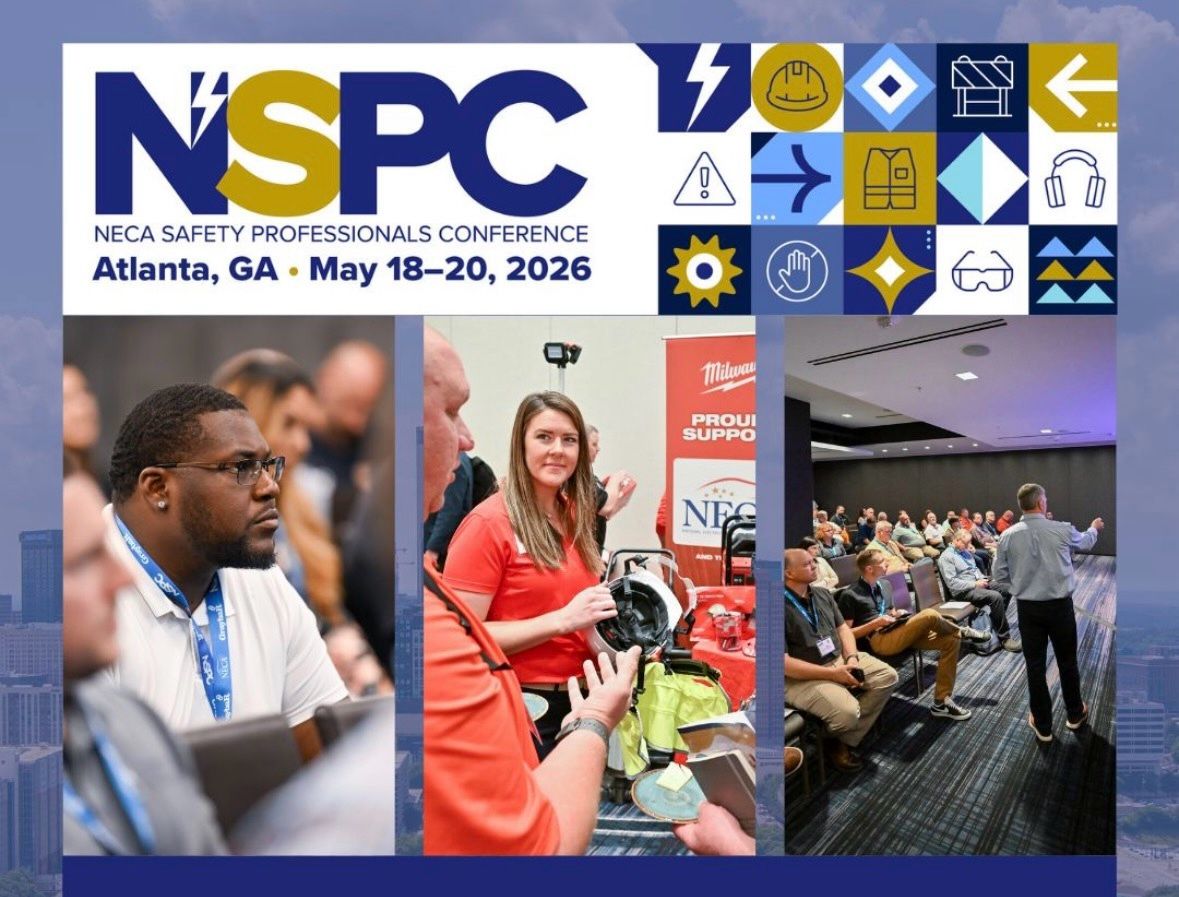
Last month, Martin Electric Safety Manager, Rich Whiting, attended the National Electrical Contractors Association (NECA) Safety Professionals Conference in Atlanta, Georgia. NSPC’s three-day conference brings together safety leaders from electrical contractors across the country to discuss emerging trends, best practices, leadership strategies, and practical tools for building safer jobsites.
While the conference covered a wide range of topics, one message remained consistent throughout every session: world-class safety programs are built on continuous learning, not compliance alone.
Looking Beyond Recordable Incidents
One of the conference's primary focuses was Serious Injury and Fatality (SIF) prevention. Rather than only measuring incidents that occur, many leading contractors are placing greater emphasis on identifying near misses, high-energy exposures, and events that had the potential to cause serious harm before someone gets hurt.
The discussion reinforced an important principle: every close call is an opportunity to learn. By treating near misses as valuable information rather than paperwork, organizations can identify weaknesses in systems, procedures, and planning before they become incidents.
Building a Learning Culture
Another recurring theme was the role leadership plays in shaping safety culture.
Policies and procedures are important, but employees ultimately judge a company's commitment to safety by what leaders do every day. Project managers, foremen, and company leaders must consistently demonstrate that safety comes before schedule pressure, production goals, or convenience.
The message was simple: workers notice actions more than words.
Using Technology Without Losing the Human Element
This is a key hitter because one thing we can carry with confidence is that the trades cannot be replaced with AI!
Presenters explored how AI can help streamline safety documentation, improve reporting, generate toolbox talks, and reduce administrative burdens. At the same time, speakers stressed that technology should enhance people - not replace them. Human judgment, experience, and company culture remain essential components of any successful safety program.
For contractors, the opportunity is to use technology to create more time for meaningful conversations in the field rather than more time behind a computer screen.
Continuous Improvement
One of the most valuable aspects of attending industry conferences is the opportunity to learn from peers facing many of the same challenges. Rich returned with practical ideas focused on improving communication, strengthening hazard recognition, encouraging employee involvement, and continuing to evolve Martin Electric's safety processes.
At Martin Electric, safety is not viewed as a program - it is a core competency that influences every project, every decision, and every employee. Investing in professional development opportunities like the NECA Safety Professionals Conference helps ensure we continue learning, improving, and delivering the safest possible work environment for our team members and the clients who trust us with their projects.
We always say our top priority us that we send our people back home to their families exactly how they showed up for work that morning. So, when it comes to safety, there is always something new to learn and another opportunity to improve.
With the continuing increase in e-commerce demand, 24/7 operation of retail distribution centers are non-negotiable. 24/7 operation is a mainstay of our corporate structure so when we were tasked with upgrading Target’s, 1.5M square foot distribution facility’s electrical infrastructure, we knew we would be performing under strict defined maintenance window to complete the project.
The main switchboards are the nucleus of the electrical distribution system and the allotted operational window was defined as a 24-hour maintenance window, during which 50 electricians across multiple shifts were deployed to remove four existing Main Switchboards and replace with four new Main Switchboards reusing all existing conduit pathways and feeder wiring . With time to spare, we successfully commissioned this project with zero safety incidents!
As with all critical nature 24/7 operational demand, over time the obsolete downstream distribution requires replacement for both safety and operational consistency. The second portion of our defined tasks was to perform the following removals and replacement facility wide.:
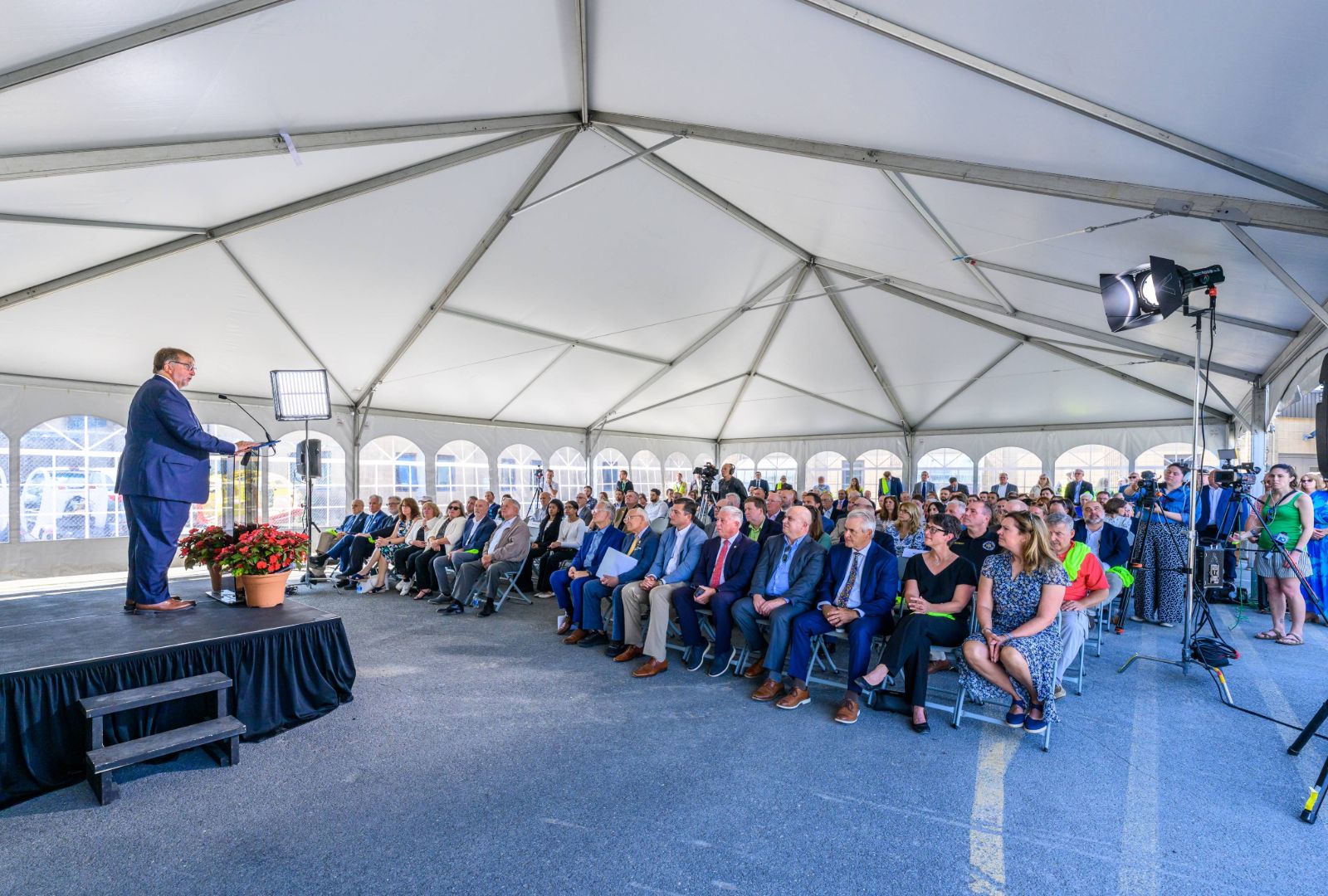
Every topping-off ceremony marks an important milestone in construction. The final structural beam is set into place, signatures are added, and a project that has existed on paper for years begins to feel real.
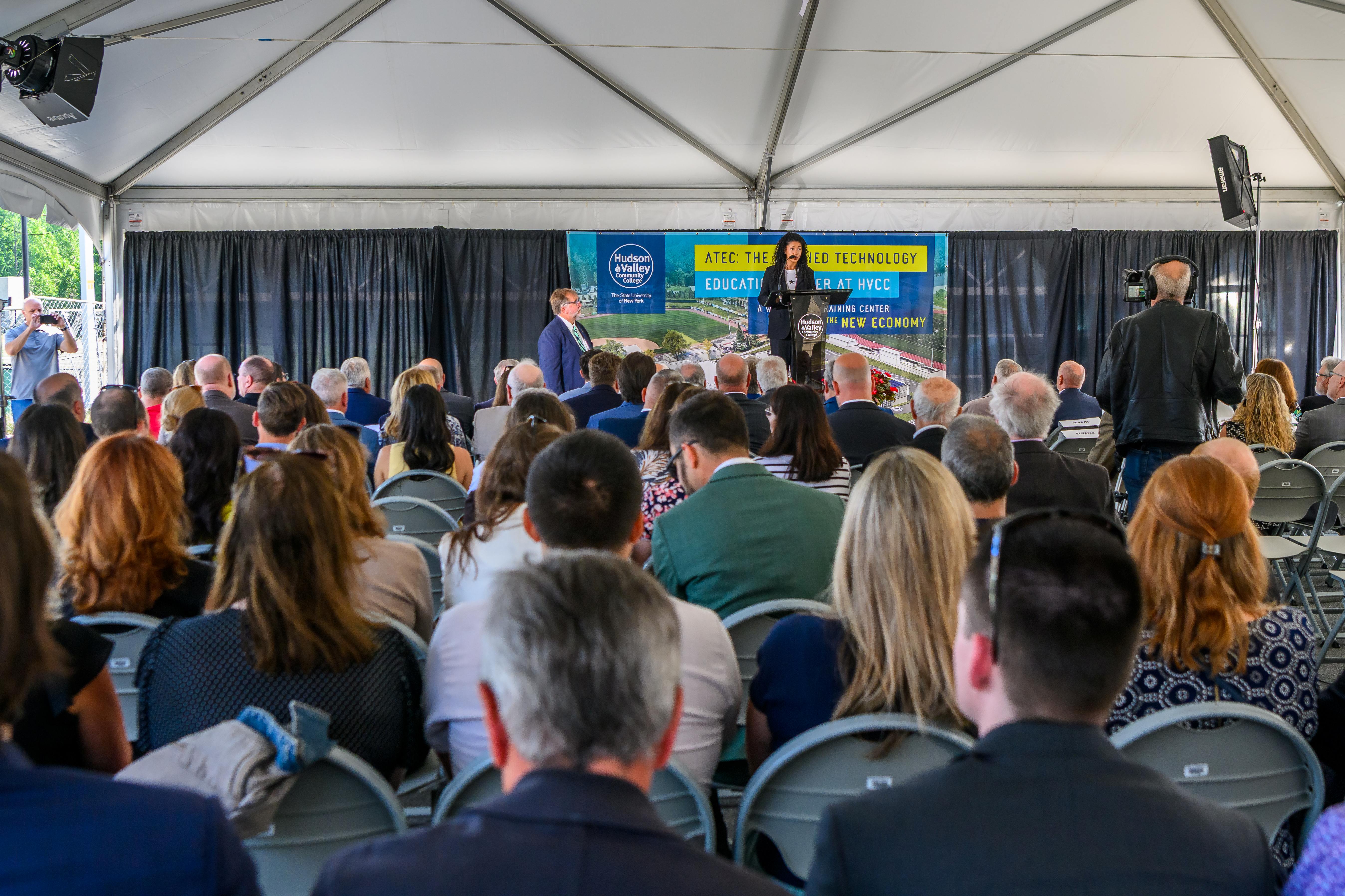
For Hudson Valley Community College's new Applied Technology Education Center (ATEC), that milestone represents something much bigger than a completed steel frame. It represents opportunity.
Set to open in 2027, the 125,000-square-foot facility will provide students with access to modern labs, classrooms, and equipment designed for careers in building systems, renewable energy, semiconductor manufacturing, automotive and transportation technologies, and other high-demand industries.
At a time when employers across New York continue to face skilled workforce shortages, investments like ATEC help create a stronger connection between education and industry. More importantly, they create opportunities for students to discover rewarding careers while providing employers with the skilled workforce our region needs.
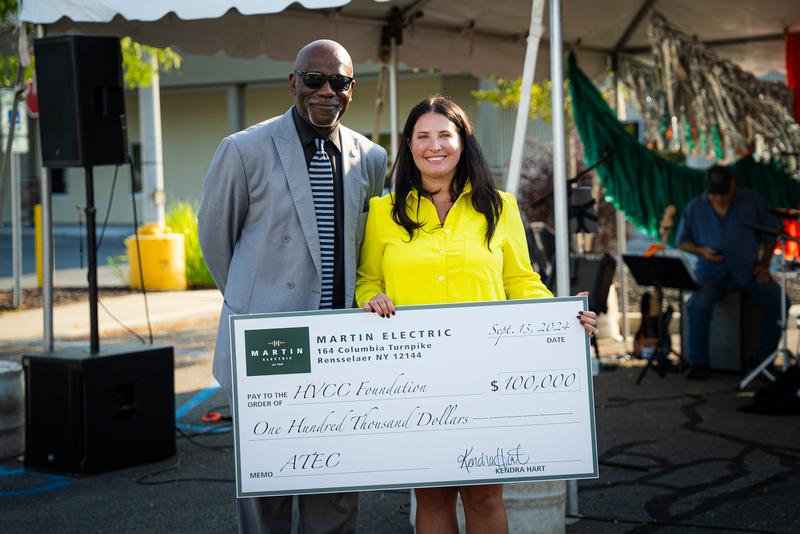
When Hudson Valley Community College announced its philanthropic partners for ATEC in 2024, Martin Electric was honored to be among them with a $100,000 contribution. Like many organizations that supported the project, our investment reflected a simple belief: workforce development isn't something one organization can solve alone. It requires educators, employers, labor partners, and community leaders all working toward the same goal.
The conversation around workforce development often centers on what employers need. We talk about labor shortages, retiring workers, and the growing demand for skilled trades professionals. Those conversations are important, but they're only part of the story. The other part begins with students. Students deserve access to facilities that reflect the industries they hope to enter. They deserve opportunities to learn with current technology, develop practical skills, and explore careers they may not have previously considered. Just as importantly, they deserve to see that local employers are invested in their success long before graduation. That's why partnerships between education and industry are so valuable.
For decades, Martin Electric has maintained a close relationship with Hudson Valley Community College. Many of our employees have developed their careers through programs connected to the college, and we've had the privilege of participating in advisory boards, classroom visits, career fairs, internships, annual scholarships and workforce development initiatives that help students understand the opportunities available in the electrical and construction industries. When the opportunity arose to support the Applied Technology Education Center, our decision wasn't about putting our name on a building. It was about supporting an institution that has consistently invested in our community and believing in the students who will one day help build, maintain, and improve the places where we live and work. Supporting ATEC was simply another extension of that relationship.
Contractors, educators, manufacturers, labor organizations, and public partners all have a role to play in developing the next generation of skilled professionals. No single organization can solve workforce challenges alone, but together we can create more opportunities for students to discover careers that are rewarding, challenging, and impactful.
Watching the final beam being placed on ATEC was a reminder that every major project begins with a foundation. For this facility, that foundation extends beyond concrete and steel. It's built on collaboration, shared investment, and a commitment to preparing people for successful careers that will strengthen our region for decades to come.
We congratulate Hudson Valley Community College on reaching this exciting milestone and are grateful to be one of many organizations supporting a project that will have a lasting impact on students, employers, and the Capital Region.
The foundation of Martin Electric's workforce development efforts is to really try and show up for our future workforce.
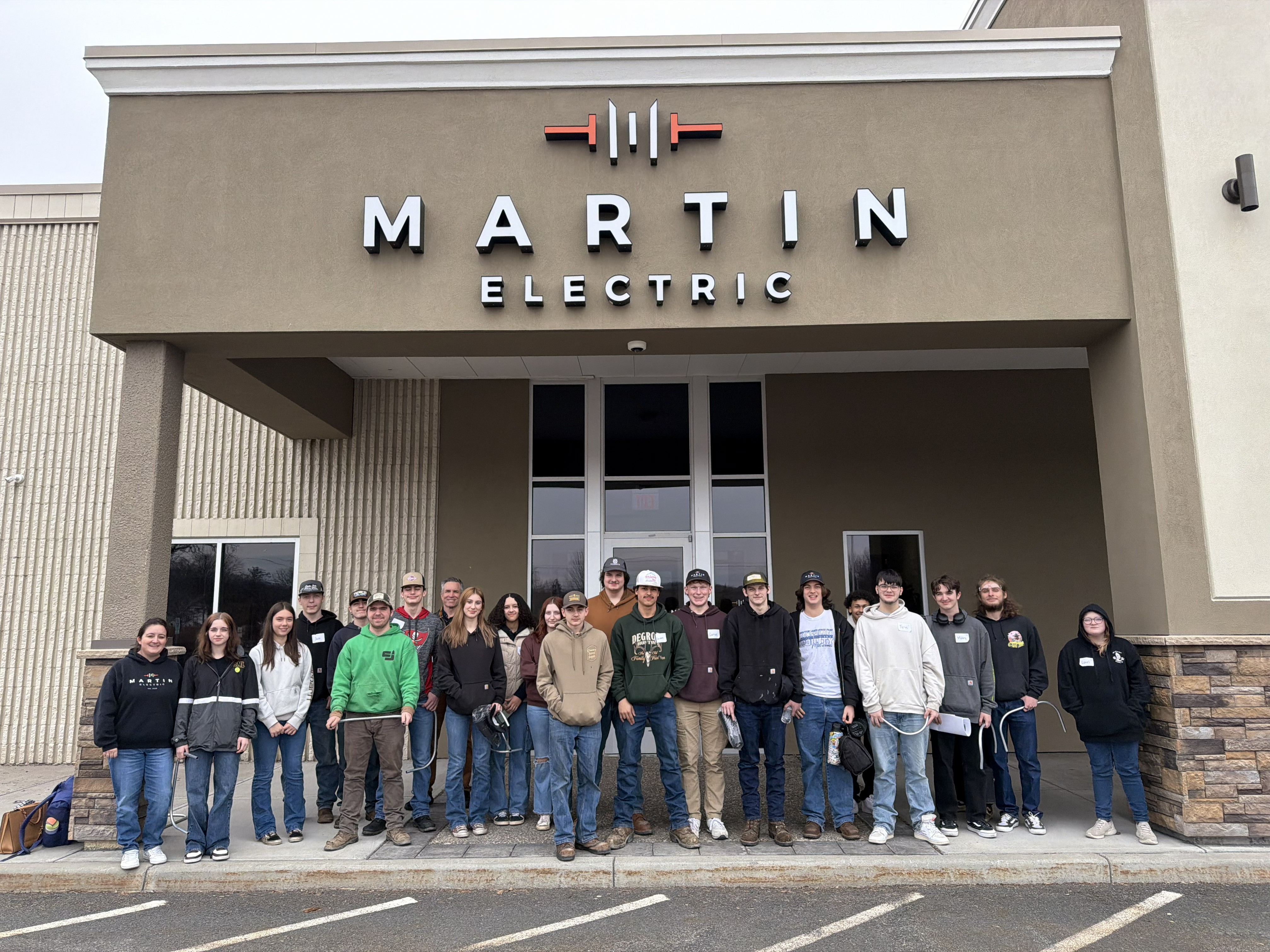
This month, we hosted students 35 students from both Capital Region BOCES locations for a workforce development day where they rotated through prefabrication, estimating, and apprenticeship interview preparation.
After a brief introduction from one of our electricians, Cam Barker, and some breakfast, the students rotated through several interactive sessions focused on real-world electrical work.
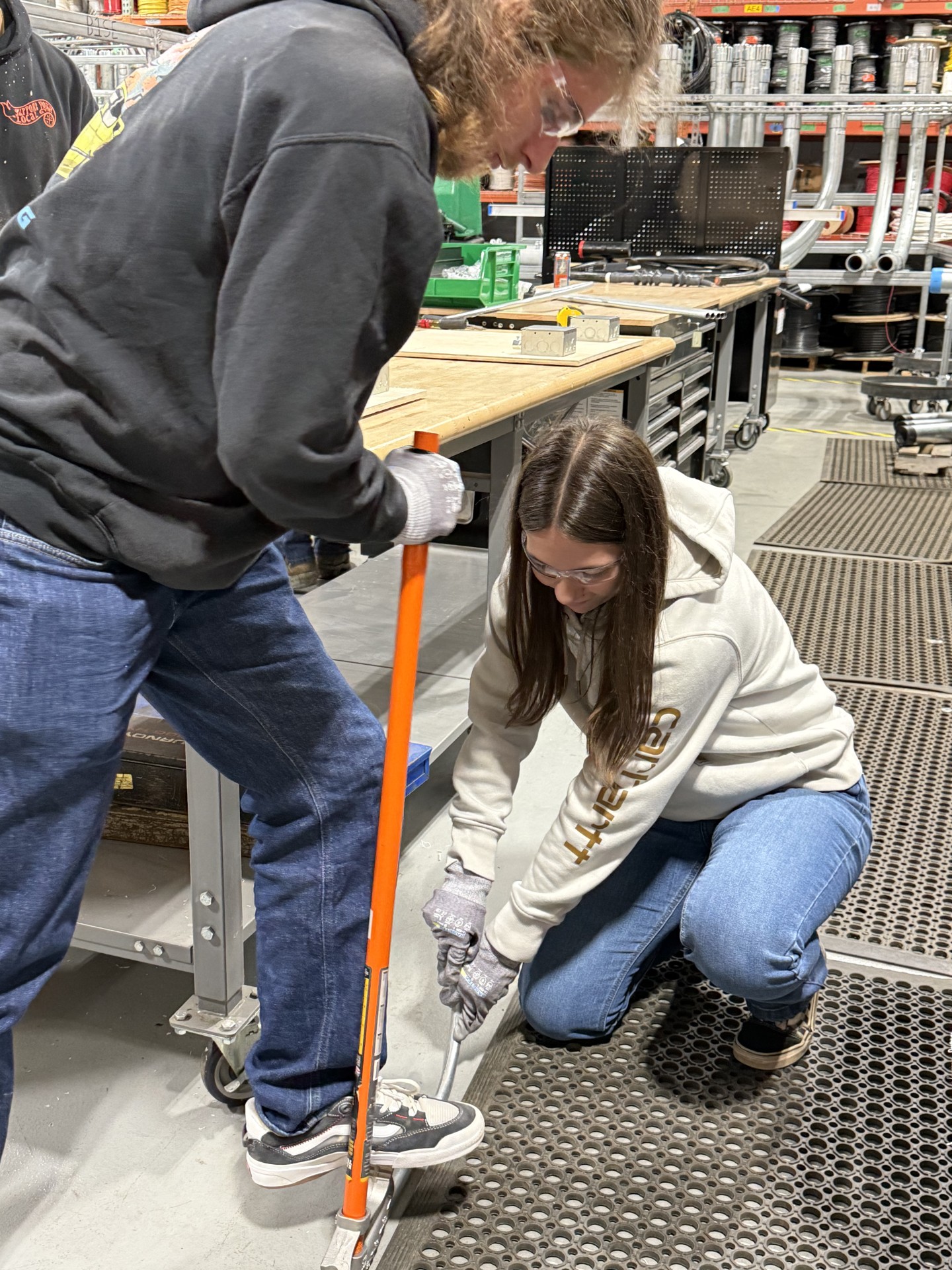
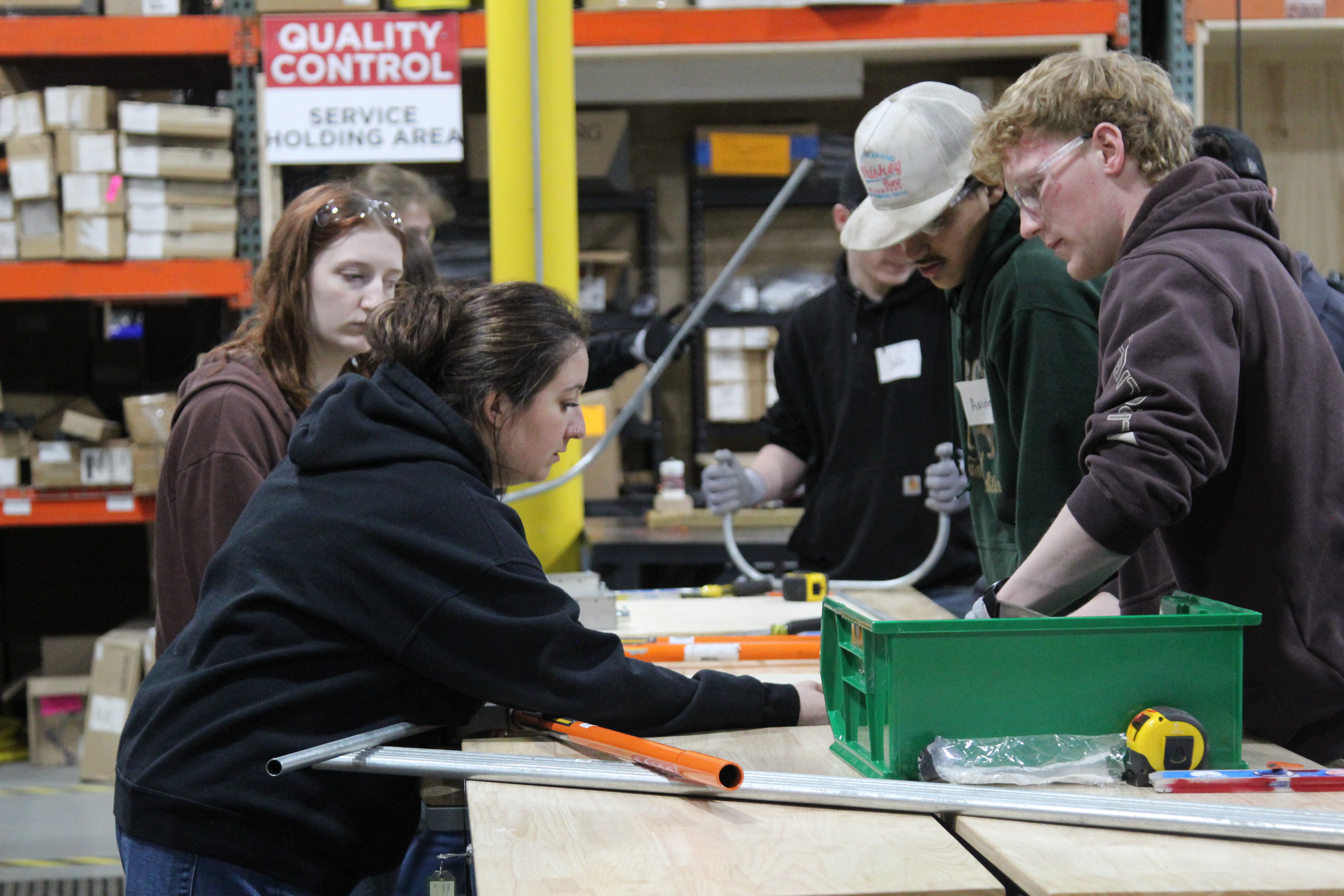
In our prefabrication shop, students wired Romex into junction boxes with single gang duplex receptacles while learning basic installation techniques, tool safety, and the importance of planning before starting a task. They also got a firsthand look at our electricians building a temporary power skid for a large industrial project currently underway in the area — giving them exposure to the type of fast-track, large-scale work happening right here in the Capital Region.
Students also participated in an apprenticeship interview preparation and Union 101 session where they learned what to expect during the apprenticeship application process and how to make a strong first impression. Topics included the importance of eye contact, a firm handshake, communication skills, and how to confidently answer even the most unexpected interview questions.
During the estimating rotation, students learned how electrical contractors count drawings and build project pricing before work ever reaches the field. They were introduced to markups, competitiveness, and profitability, then challenged to put together their own final project numbers — giving them a chance to see how differently everyone may cost out the same scope of work.
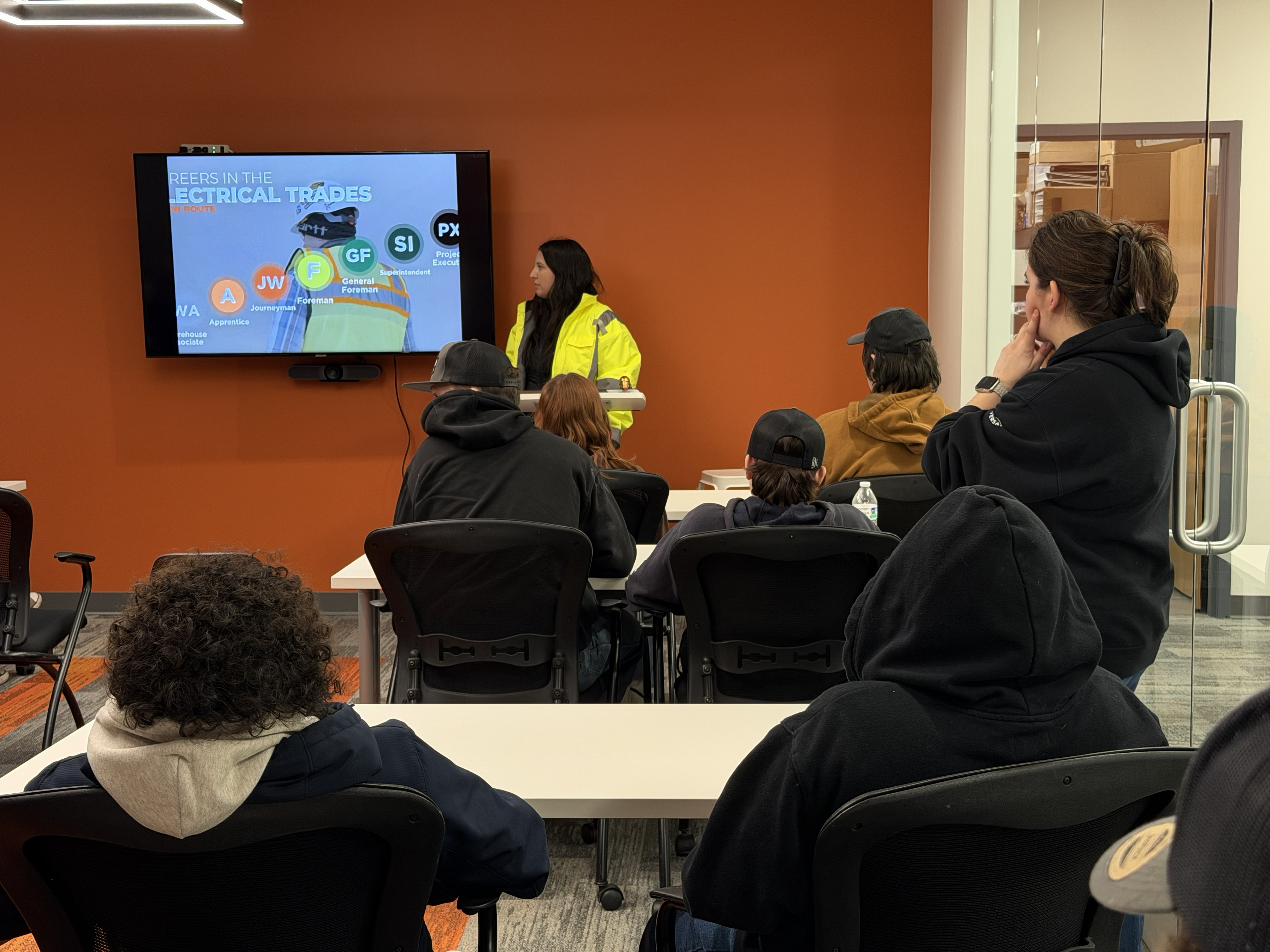
The day wrapped up with a complete company presentation covering Martin Electric’s background, different career path opportunities, and what life in the trade really looks like, and Q&A session where students had the opportunity to ask questions directly to our team about careers in the trades, jobsite experiences, and future opportunities in the industry.
Interested in teaming up for a workforce development event? Please reach out to
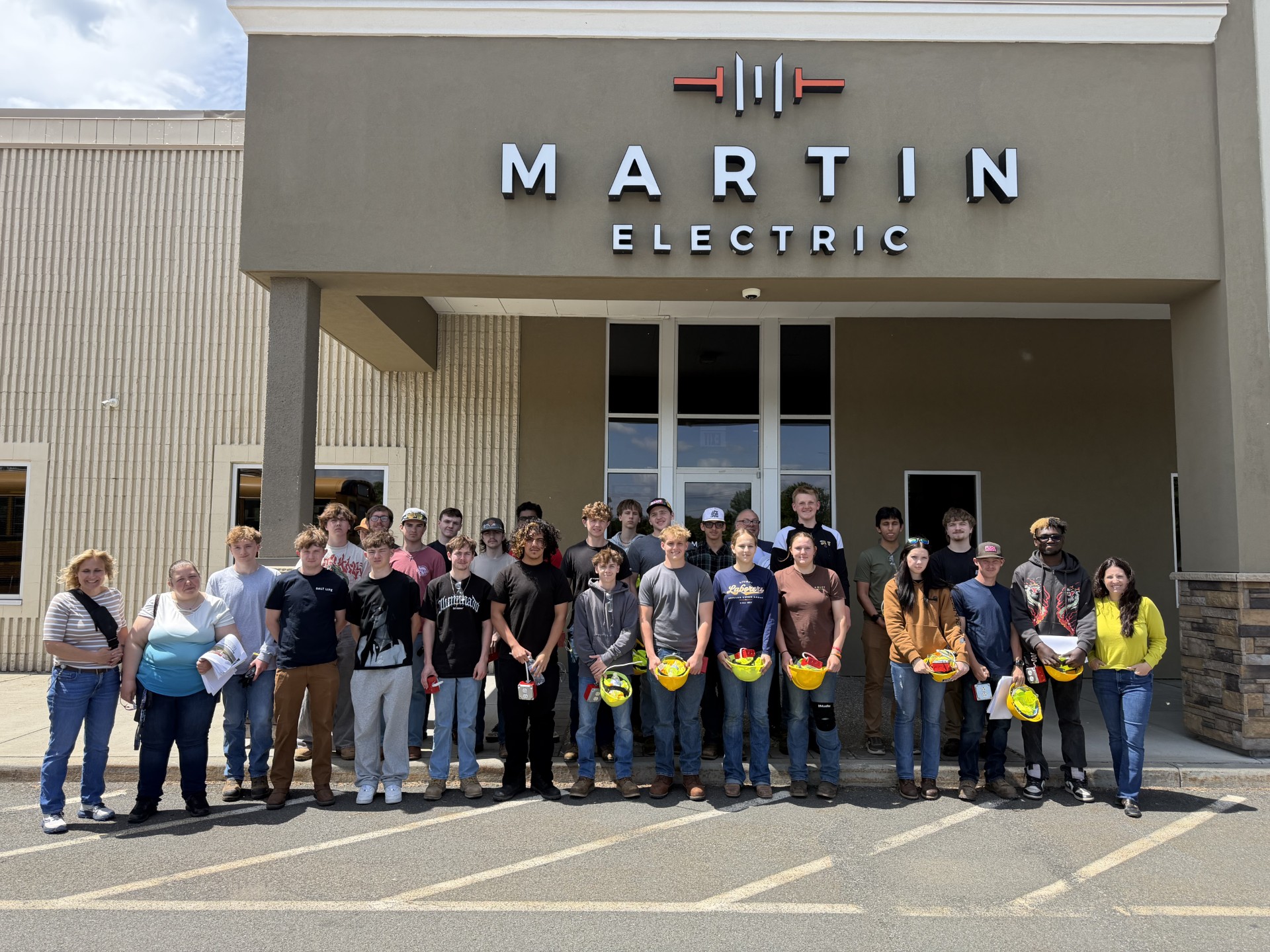
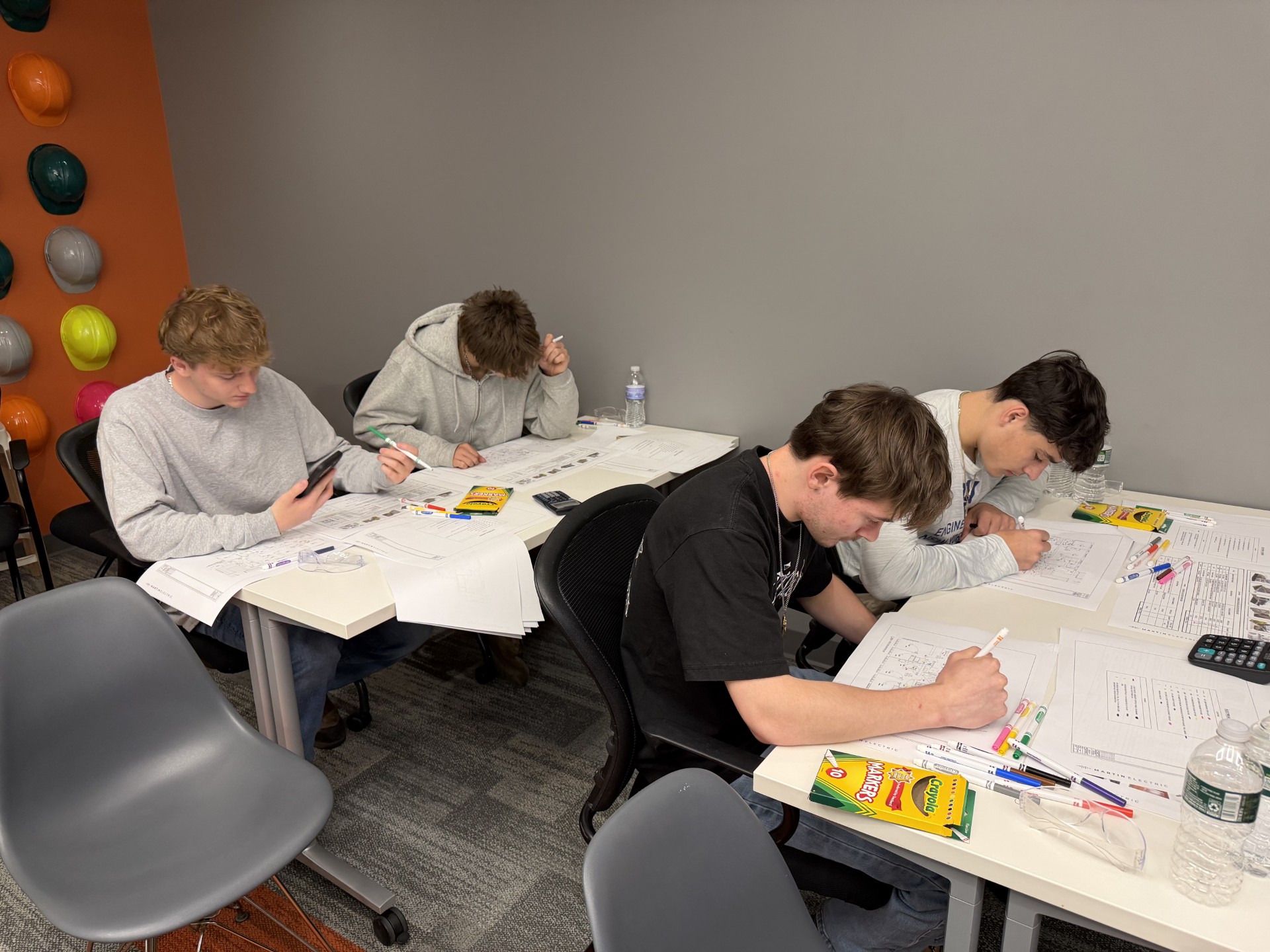
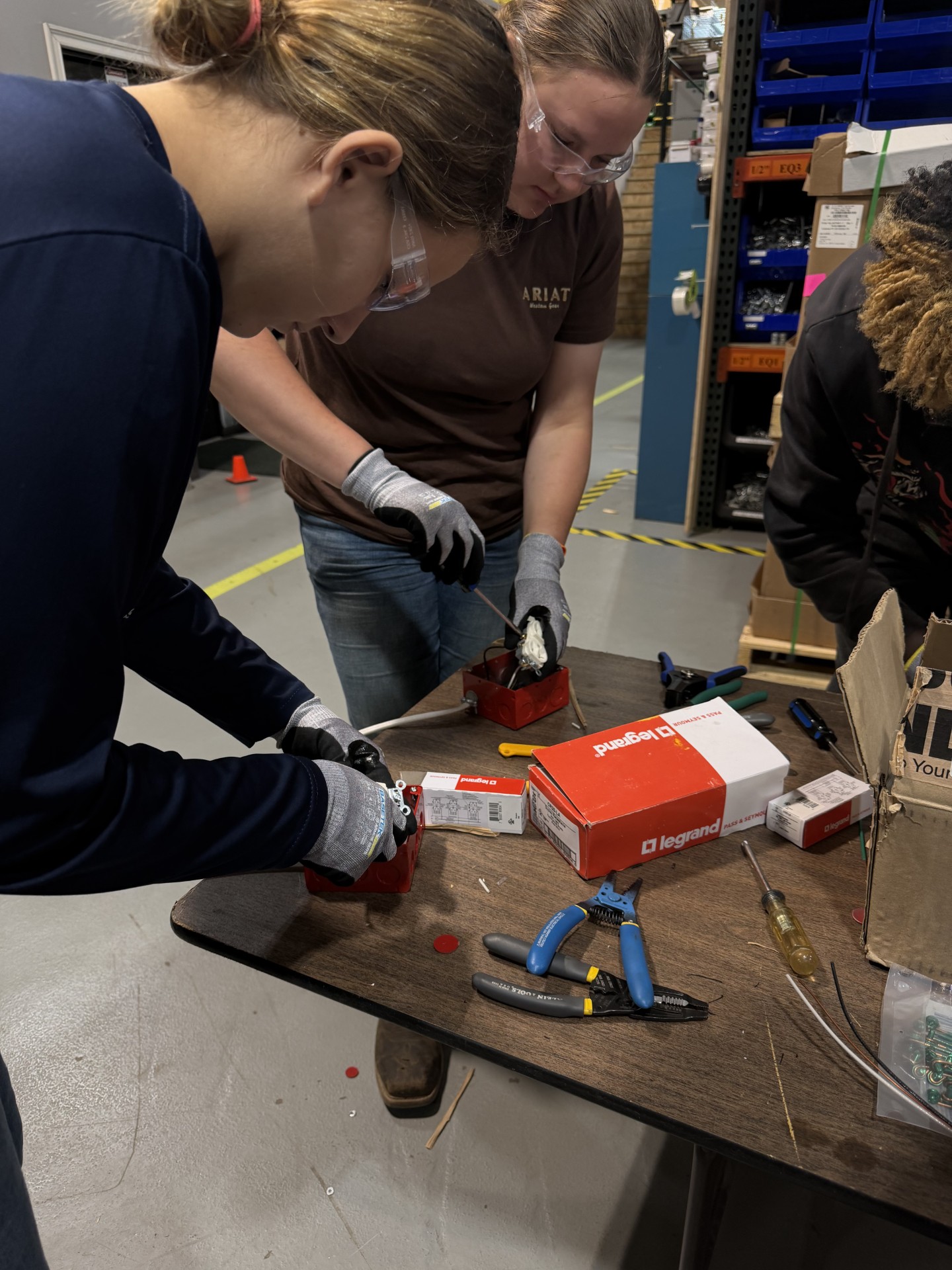
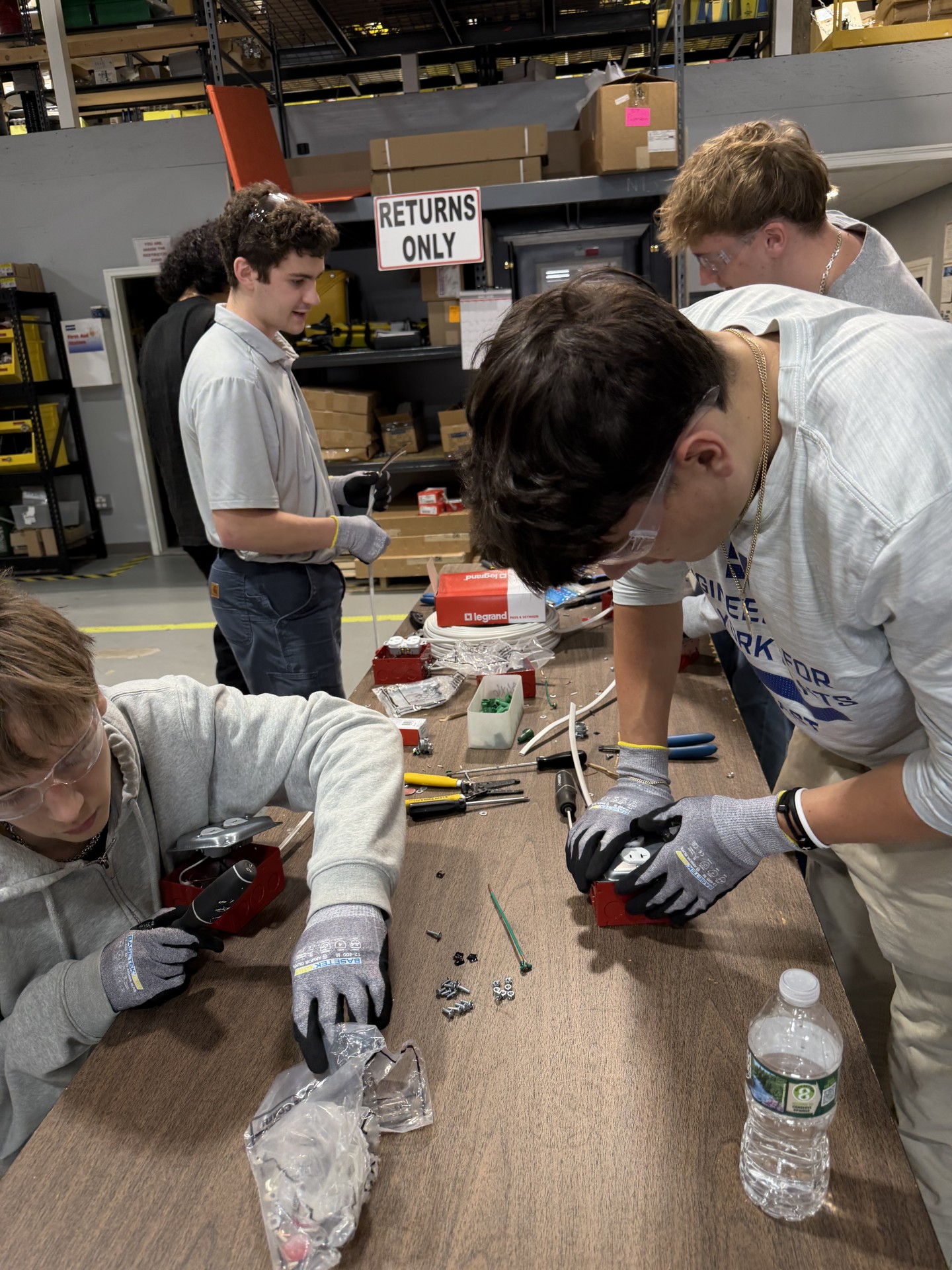
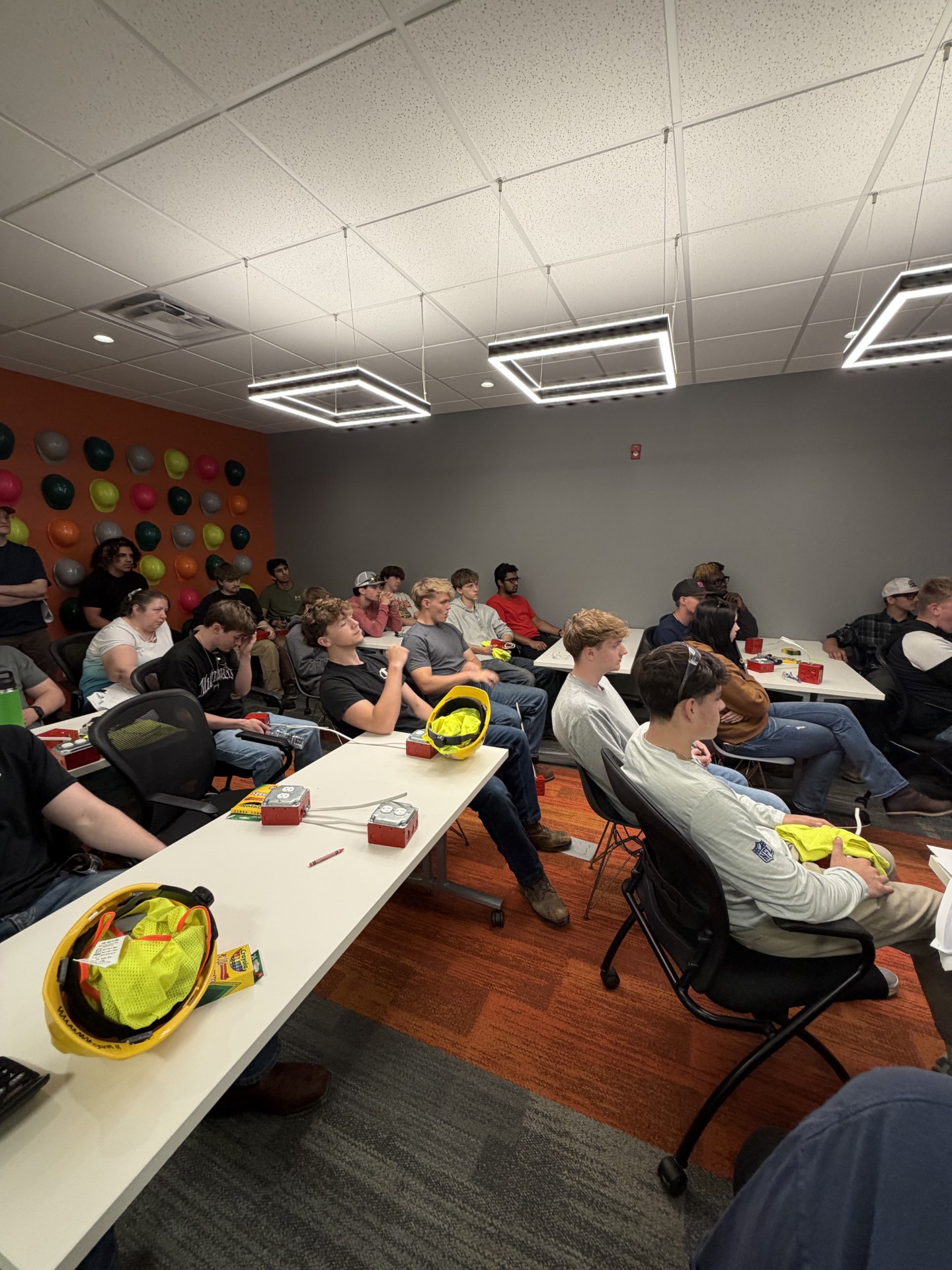
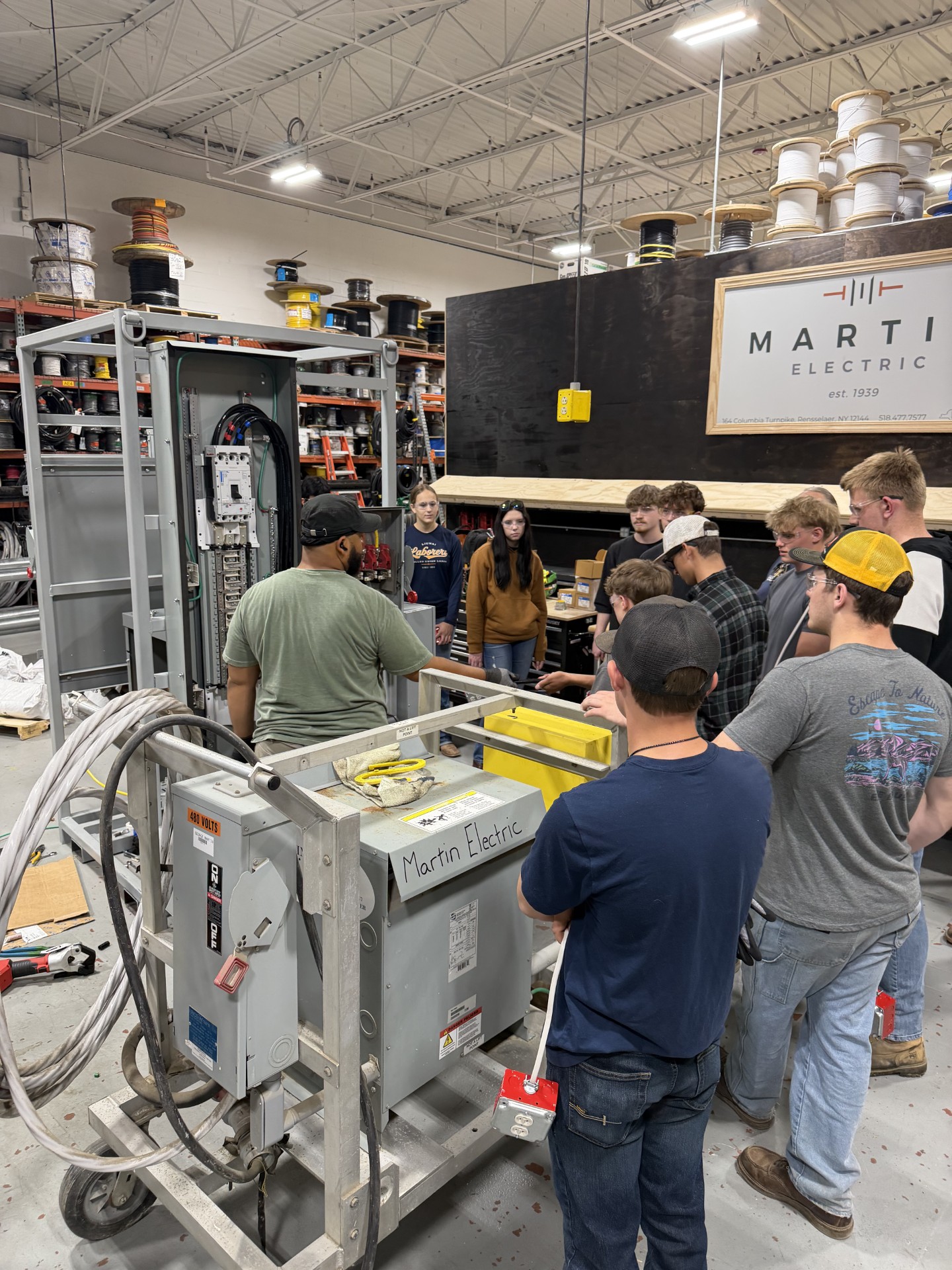
Workforce development has become a regular part of what we do at Martin Electric. Throughout the year, we host local schools at our shop and facilitate hands-on rotations focused on prefabrication, estimating, and apprenticeship preparation as part of our own internal workforce development advocacy. While we naturally focus on opportunities within the electrical trade and the IBEW apprenticeship pathway, we also recognize that every trade on a construction site depends on one another. Strong projects require strong trade partners, and we believe investing in the next generation of skilled tradespeople benefits the entire industry.
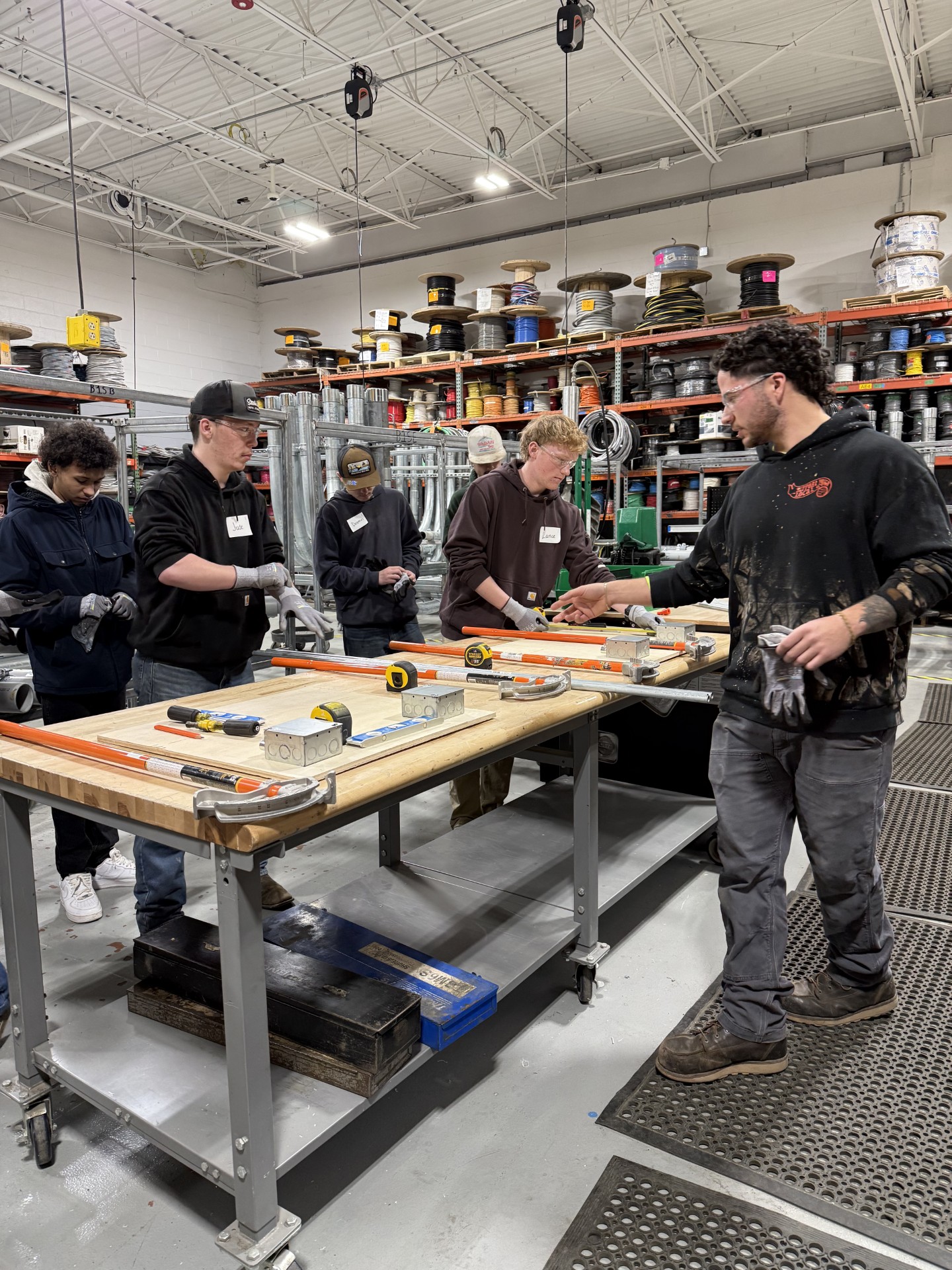
This month, Martin Electric hosted students from New Lebanon High School for a hands-on workforce development day at our shop. The students rotated through prefabrication, estimating, and apprenticeship interview preparation sessions where they learned how projects are built, planned, and bid before work ever reaches the field.
Students bent conduit in our prefab shop, practiced problem-solving and communication skills, learned the basics of estimating and project planning, and gained insight into the union apprenticeship process and interview expectations.he goal was simple: give students real exposure to the trades while helping build confidence and practical skills they can carry with them wherever their careers take them.
Interested in teaming up for a workforce development event? Please reach out to
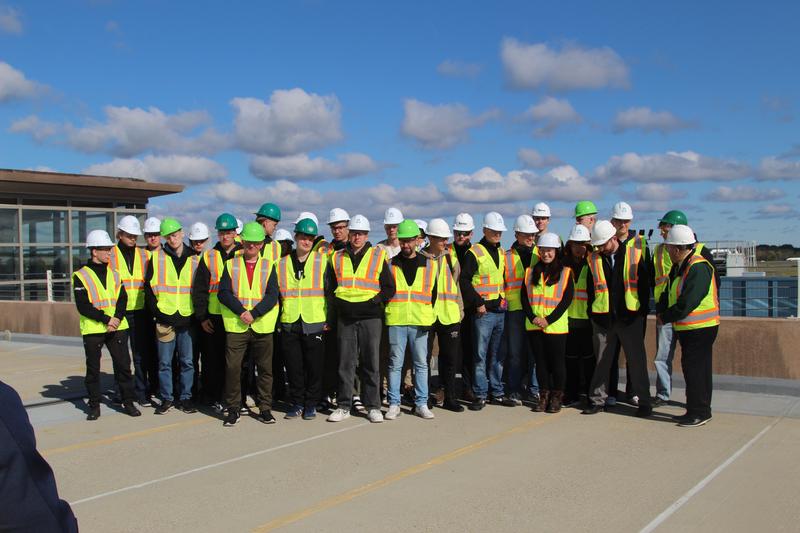
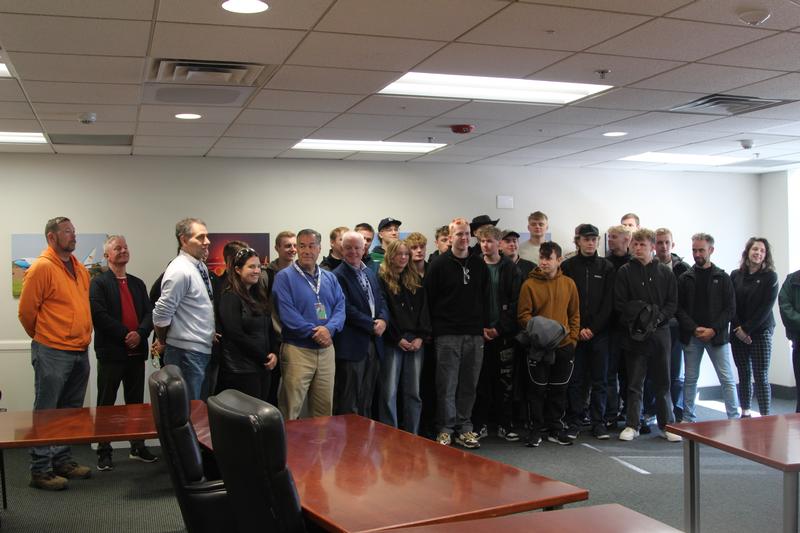
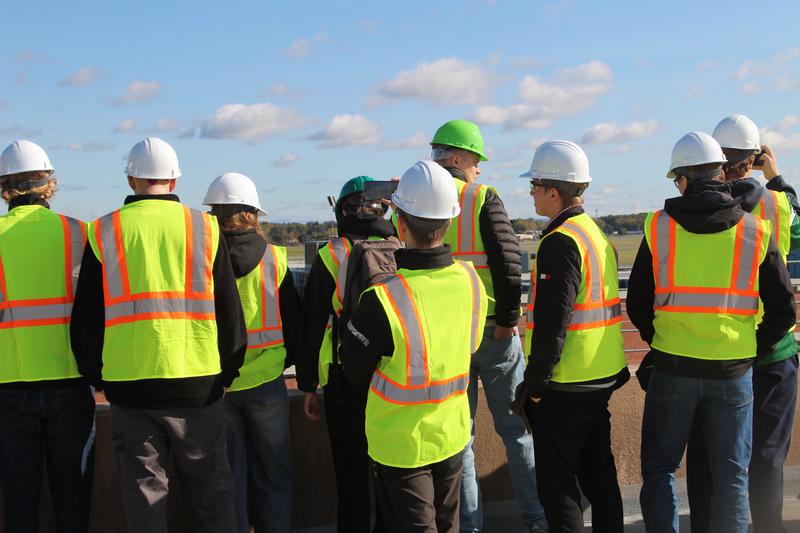
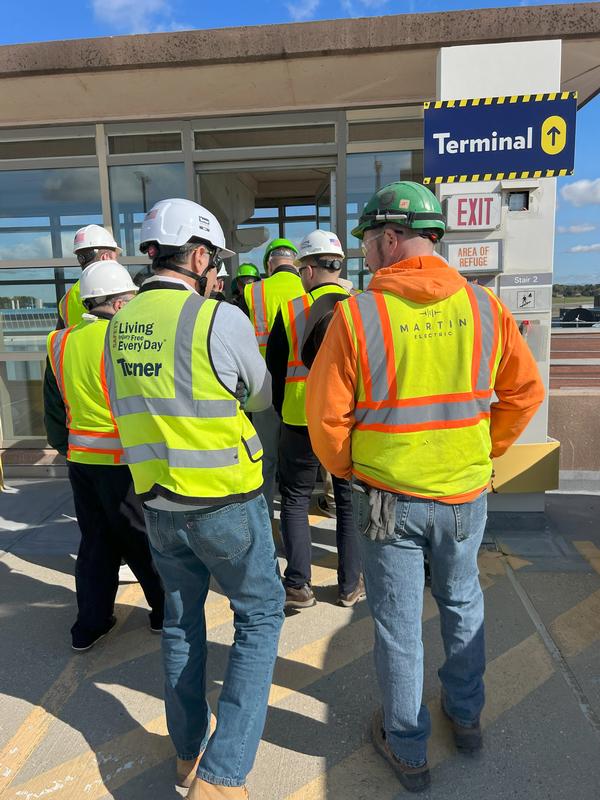
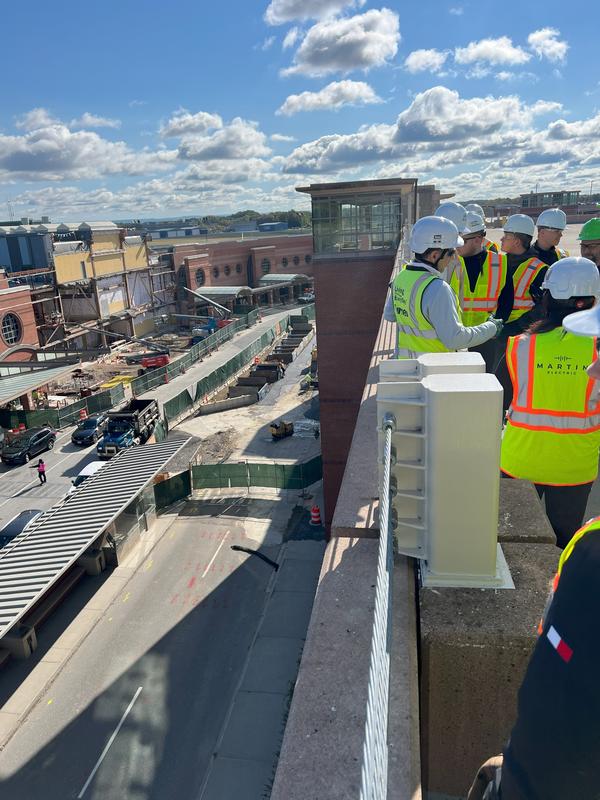
After touring the jobsite with the construction manager, Robert Wagner (Turner Construction) and electrical superintendent, Jamie Nellis (Martin Electric), the students heard from our President, Kendra Hart, about the state of the electrical industry and how Martin Electric is meeting the explosive demand in the Capital Region. The day concluded with a roundtable discussion drawing similarities and differences between the two countries across a broad range of topics from sustainability and innovation to apprenticeships and compensation.
From our Superintendent, Jamie: Love what you do! If you love what you do, you’ll show up to work with the right attitude, a willingness to learn and continually improve, and a desire to achieve.
From our President, Kendra: It’s the last 10% that counts. No matter how nice your conduit bends look, if the as-builts, panel schedules, and labeling aren’t correct – the Client will not be happy and it’s the last thing they will remember about the quality of your work. As much focus goes into the quality of the install, the same attention needs to go into the quality of the closeout process. Don’t quit at 90%, it’s the last 10% that counts.
Martin Electric has a longstanding relationship with Hudson Valley Community College, allowing for constant growth and collaboration within the industry. This was a new opportunity for us in the world of workforce development. Although our work doesn't stretch as far as Denmark, these types of conversations are the conduit for growth, worldwide, for the future workforce and industry leaders. #poweringcommunites #empoweringpeople #thinkglobally #actlocally #ibew #neca
We are proud to say Martin Electric wrapped up 2024 with zero recordable injuries. With an EMR of 0.57 and a continual commitment to OSHA standards, our team continues to apply their training on the job sites, holding each other accountable to ensure everyone gets home safe each day.
For companies that specialize in electrical installation, maintenance, and construction, the stakes are high. Risks such as electrical shock, falls, and accidents involving heavy equipment are present on every job site. That's why safety standards and practices are paramount.
The Occupational Safety and Health Administration (OSHA) has been the backbone of workplace safety standards for decades. For electrical contractors like Martin Electric, adhering to OSHA’s strict regulations is non-negotiable. OSHA guidelines ensure that companies maintain safe working conditions, from proper equipment maintenance to the proper use of protective gear and hazard awareness.
Martin Electric’s commitment to these standards is evident in their comprehensive training programs and their focus on creating a safety-first environment. Whether it’s through daily safety meetings, job hazard analyses, or continuous education, the company ensures that safety is always top of mind for every employee.
Achieving zero recordable injuries is no small feat. It requires a culture where safety isn't just an afterthought, but something every team member is actively invested in. Martin Electric fosters this culture by encouraging open communication about safety concerns, empowering workers to speak up when they see a potential hazard.
Additionally, the company continuously evaluates and adapts its safety practices. Safety audits, equipment inspections, and feedback loops allow Martin Electric to stay ahead of potential risks before they turn into accidents.
One of the key ways Martin Electric has been able to sustain this impressive safety record is by incorporating the latest technology and best practices into their operations. From advanced personal protective equipment (PPE) to safety management software, the company embraces innovation to minimize risks. Moreover, Martin Electric invests in tools and equipment that make work safer and more efficient, reducing the likelihood of injuries.
The success of Martin Electric's safety program is a testament to the power of teamwork. It's not just the responsibility of the safety officers or supervisors; every worker plays a role in maintaining a safe work environment. The company encourages collaboration among teams to identify and mitigate potential hazards, and each team member and trade partner is held accountable for their part in creating a culture of safety.
One of the key metrics that demonstrate Martin Electric’s dedication to safety is its Experience Modification Rate (EMR), which currently stands at an impressive 0.57. The EMR is a critical safety benchmark used by insurance companies to determine a company’s risk level and premiums. It’s calculated based on a company’s historical accident record compared to the industry average.
An EMR of 1.0 is considered the industry average, meaning a company with this rating has experienced a typical number of workplace incidents. However, Martin Electric’s EMR of 0.57 puts the company significantly below this average, indicating that its workplace is 43% safer than most in the industry. This exceptional rating not only reflects Martin Electric’s commitment to minimizing risk but also translates into cost savings on insurance premiums and increased trust with clients and partners.
As the company moves forward, we are committed to continuing our efforts to protect our most valuable asset—our people.
In an industry where risks are inherent, Martin Electric’s dedication to creating a zero-incident workplace is something to be celebrated, and in turn, encourage other trade partners in the industry to follow suit.
What are you doing to prevent injury on your jobsites? Check our monthly 'Continual Improvement' newsletters to stay up to date on the dedication of our crews.